

Why in news?
Scientists at a Department of Science and Technology (DST) institute have synthesised a biosurfactant that shows promising activity against Staphylococcus aureus. The work could lead to new ways of controlling this bacterium, which is notorious for causing hospital‑acquired infections.
Background
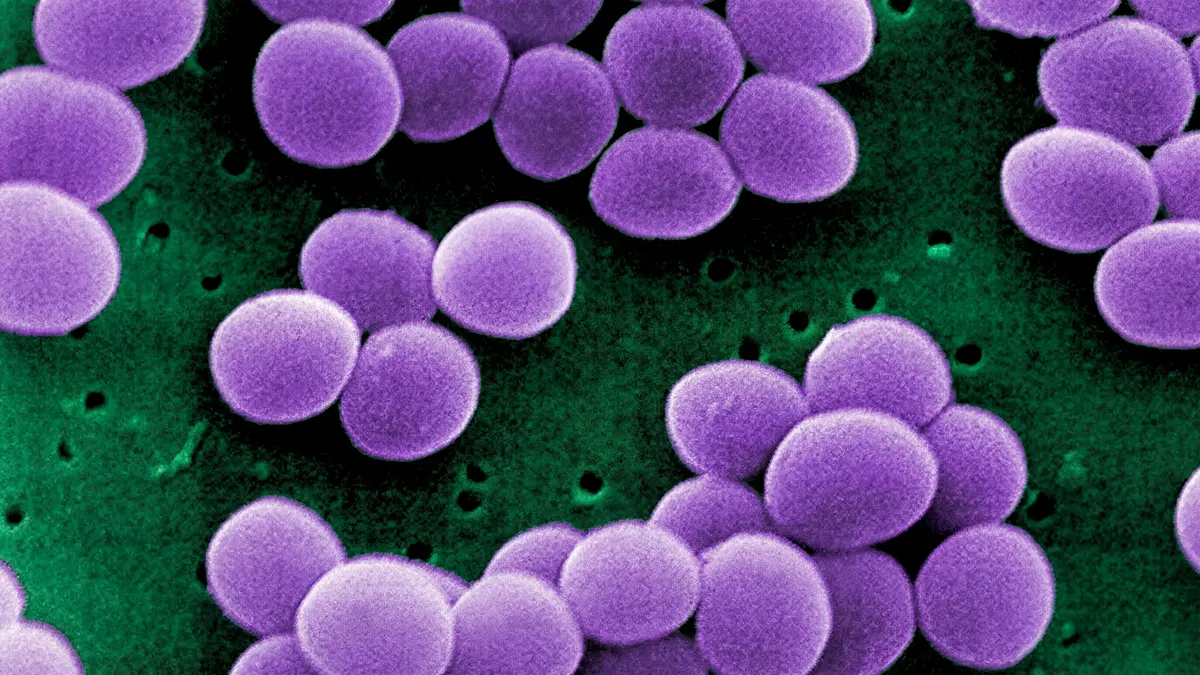
Staphylococcus aureus is a Gram‑positive bacterium that appears as grape‑like clusters under a microscope. It was first described by surgeon Alexander Ogston in Aberdeen in 1880. The organism commonly colonises human skin and nasal passages; around 30 % of people carry it without symptoms. Transmission occurs through skin‑to‑skin contact, respiratory droplets or contaminated objects.
Infections and health impacts
- Minor infections: S. aureus causes pimples, boils, impetigo and cellulitis. These infections are usually localised and respond to antibiotics.
- Serious diseases: If the bacterium enters the bloodstream or deep tissues it can lead to pneumonia, meningitis, osteomyelitis, endocarditis and toxic shock syndrome.
- Transmission and carriers: Healthy carriers can unknowingly spread S. aureus to vulnerable individuals. Hospital patients, newborns, the elderly and people with weakened immunity are at highest risk.
- Antibiotic resistance: Some strains have evolved resistance to multiple antibiotics, such as methicillin‑resistant S. aureus (MRSA), making infections difficult to treat.
Potential of biosurfactants
Biosurfactants are surface‑active molecules produced by microbes. They can disrupt bacterial cell membranes and prevent biofilm formation. The newly synthesised biosurfactant shows activity against S. aureus, including resistant strains, offering an eco‑friendly alternative to conventional antibiotics. Further research and clinical trials will be required to turn this discovery into a therapy.
Conclusion
Staphylococcus aureus is both a harmless commensal and a dangerous pathogen. Understanding its biology and developing innovative antimicrobial agents are essential to reduce hospital‑acquired infections. Maintaining good hygiene, proper wound care and judicious use of antibiotics remain the first line of defence.
Source: PIB