

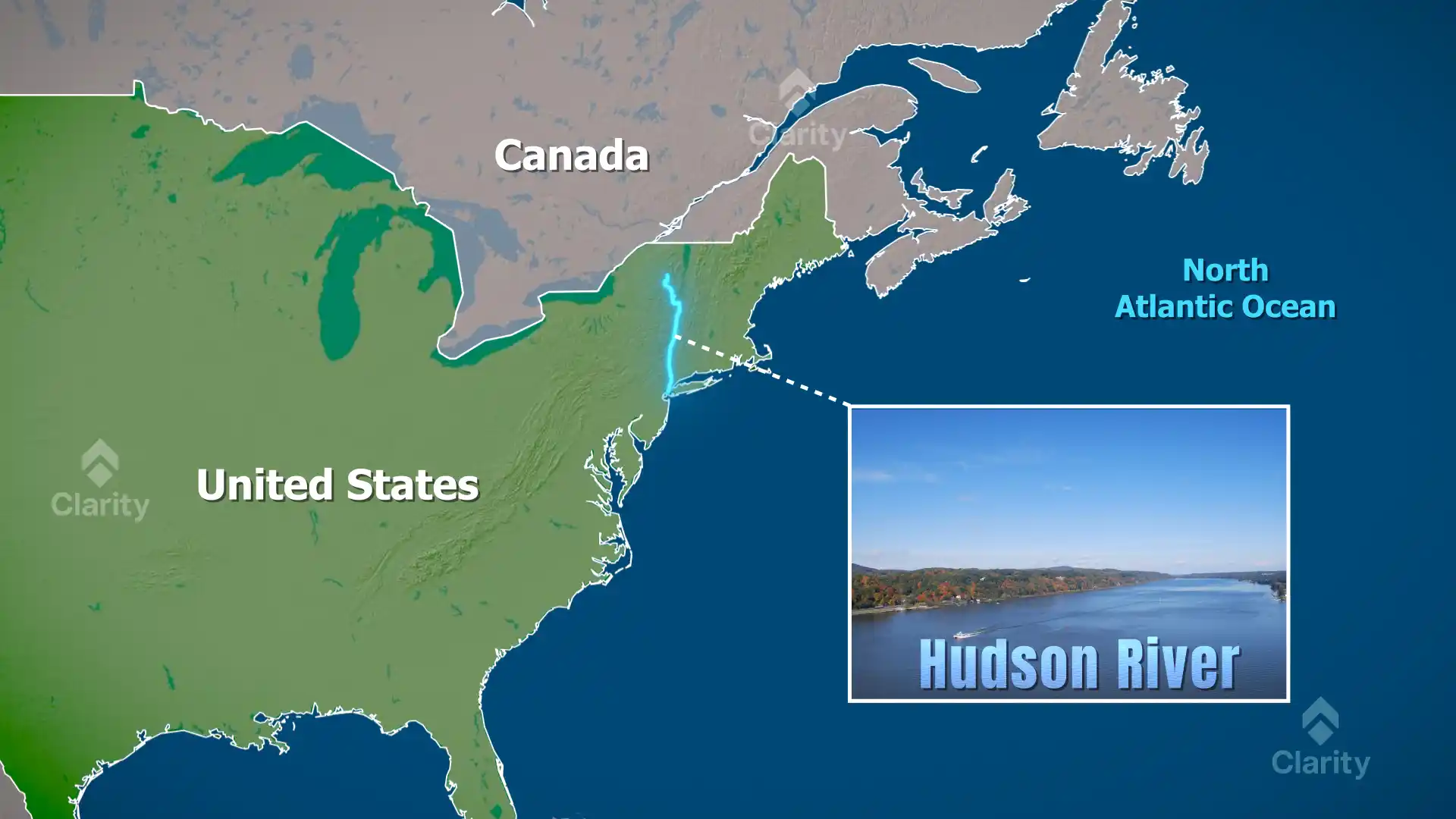
Why in news?
The states of New York and New Jersey have filed a lawsuit against the U.S. federal administration over the suspension of $16 billion in federal funding for a new rail tunnel under the Hudson River. The suit alleges that the funding freeze, justified by claims that diversity and inclusion provisions in the project contracts are unconstitutional, threatens the Gateway Program—a plan to build a new two‑track tunnel and rehabilitate the existing 116‑year‑old tubes. The litigation was filed on 4 February 2026 and seeks to compel the release of the funds.
Background
The Hudson River rail tunnels, completed in 1910, carry roughly 200,000 passengers each weekday between New Jersey and New York City. Flooding from Hurricane Sandy in 2012 damaged the century‑old tubes, leading to chronic delays and raising safety concerns. The Gateway Program proposes constructing a new tunnel to allow repairs of the existing one without disrupting service.
In 2021, the U.S. Congress authorised funding for the Gateway Program under a massive infrastructure law. However, the programme became embroiled in politics after federal officials alleged that clauses promoting diversity in hiring and contracting violated constitutional limits. As a result, disbursements were halted.
Arguments in the lawsuit
- Illegal freeze: New York and New Jersey contend that the federal government lacked authority to delay funds that were lawfully appropriated by Congress.
- Public interest: The states argue that halting the project endangers the region’s economy and commuters by delaying necessary repairs to the ageing infrastructure.
- Diversity provisions: Officials maintain that diversity requirements in the contracts are lawful affirmative action measures designed to ensure fair participation by minority‑owned firms.
- Project scope: The Gateway Program envisages a new tunnel to increase capacity and then rehabilitation of the existing tubes; the total cost exceeds $16 billion and is critical to the Northeast Corridor’s reliability.
Significance
- Infrastructure modernisation: The case underscores the challenges of upgrading essential infrastructure amid political disagreements.
- Economic impact: Delays in the Hudson River tunnel project could disrupt commuting, goods movement and economic growth in one of America’s busiest corridors.
- Civil rights considerations: The lawsuit brings to the fore debates about the role of diversity and inclusion policies in public works.
Conclusion
The outcome of this lawsuit will determine whether construction of the new Hudson River tunnel can proceed. It also reflects broader tensions in U.S. politics over infrastructure funding, minority participation and the rule of law.
Sources: The Hindu