
Why in news?
Bangladesh’s interim government has expressed a desire to restart negotiations with India over sharing the waters of the Teesta River. The issue has been pending for more than a decade and affects farmers and ecosystems in both countries.
Background
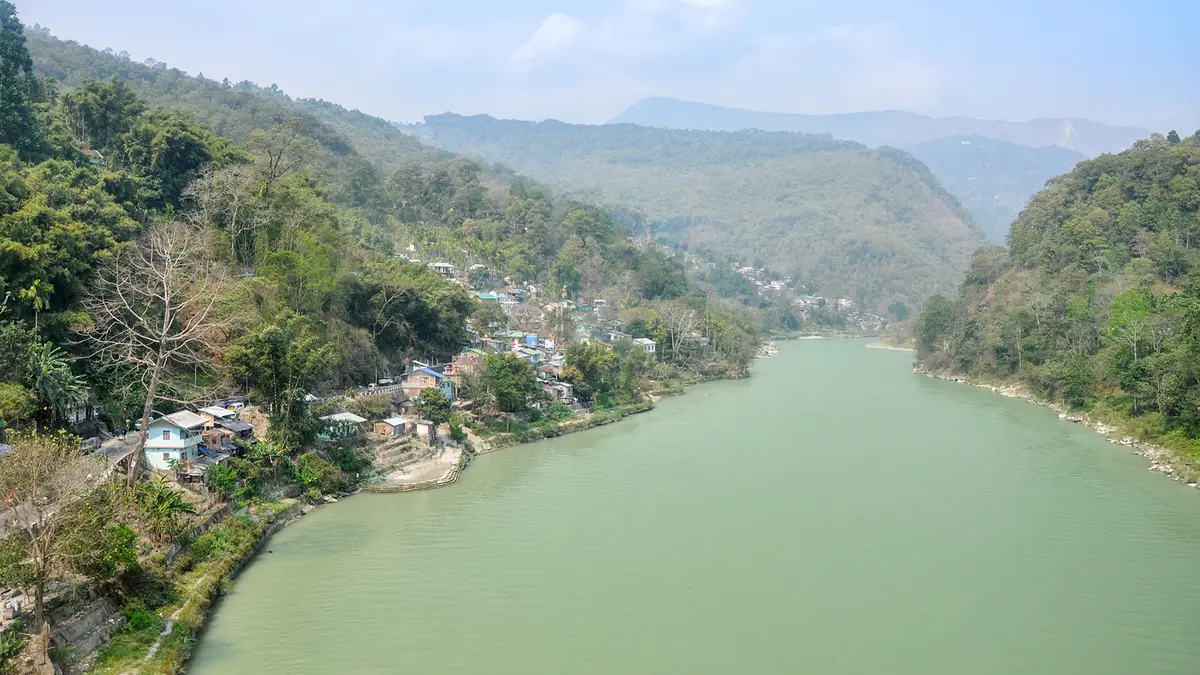
The Teesta River originates in the Teesta Khangtse glacier near the mountain of Pahunri in eastern Sikkim. It flows south through Sikkim and West Bengal before entering Bangladesh, where it joins the Brahmaputra (known locally as Jamuna). The river travels about 414 kilometres and is an important source of water for irrigation and hydropower.
Key points
- In 2011 India and Bangladesh drafted a water‑sharing treaty proposing that India receive 42.5 % and Bangladesh 37.5 % of Teesta’s dry‑season flow, leaving the rest to maintain river health. The agreement stalled because the West Bengal government opposed it, citing irrigation needs in northern districts.
- Sikkim and West Bengal have built several hydropower projects along the river. The Teesta III dam, the largest of these, was badly damaged in October 2023 when heavy rain caused a glacial lake outburst flood from South Lhonak Lake. Flood waters swept away bridges and raised water levels downstream.
- Climate change is intensifying glacial melting and extreme rainfall, making river management more complex. Both countries need a comprehensive treaty that balances agriculture, power generation and ecosystem health.
- An equitable sharing arrangement would also build trust and support wider cooperation between India and Bangladesh on riverine issues, including the management of the Ganges and Brahmaputra basins.

