

Why in news?
In February 2026 two people in Vizhinjam, Kerala, died after eating seafood at a local eatery. Health authorities suspect that the deaths may have been caused by marine biotoxins such as tetrodotoxin. Samples of the seafood have been sent to the Central Institute of Fisheries Technology for analysis.
Background
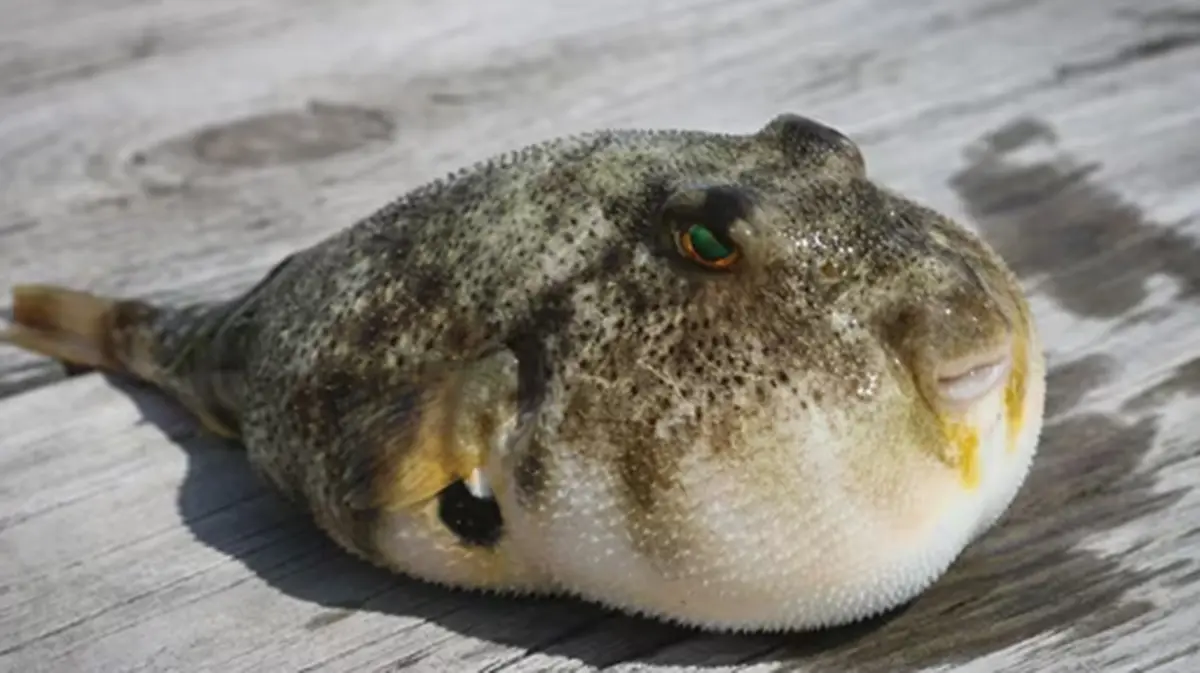
Tetrodotoxin (TTX) is a powerful neurotoxin found mainly in pufferfish, certain toads, octopuses, and some species of newts. It blocks voltage‑gated sodium channels on nerve and muscle cells, preventing electrical signals from travelling through the body. As a result, victims may experience tingling, dizziness, vomiting, muscle paralysis and, in severe cases, respiratory failure. TTX is heat‑stable, so cooking does not destroy the toxin.
Key points
- Sources of TTX: Pufferfish (fugu), blue‑ringed octopus, certain types of frogs and some marine bacteria produce tetrodotoxin. The toxin accumulates in the liver, ovaries, skin and intestines of these animals.
- Symptoms of poisoning: Signs typically appear within 30 minutes to three hours after ingestion and include numbness around the mouth, nausea, difficulty breathing, muscle weakness and, in extreme cases, death due to respiratory failure.
- No antidote: There is currently no specific antidote for tetrodotoxin. Treatment focuses on supportive care such as maintaining respiration and cardiac function. Some victims may require mechanical ventilation until the toxin is cleared from the body.
- Risk factors: Outbreaks are often linked to consumption of improperly prepared pufferfish or other marine species during algal blooms. Food safety regulations require that only trained chefs prepare fugu to avoid poisoning.
Significance
- Public awareness: The suspected poisoning in Kerala highlights the need for better education about the risks of eating certain seafood species and the importance of purchasing from reliable sources.
- Monitoring programmes: Regular testing of fish and shellfish during algal bloom seasons can help detect marine toxins and prevent outbreaks.
- Medical preparedness: Hospitals in coastal areas should be equipped to handle toxin‑related emergencies and provide rapid supportive care.
Conclusion
Tetrodotoxin poisoning is rare but potentially fatal. Consumers should exercise caution when eating unusual marine species and follow advisories issued by local authorities. Ongoing surveillance and research are essential to minimise future incidents.
Sources: The Hindu