
Why in news?
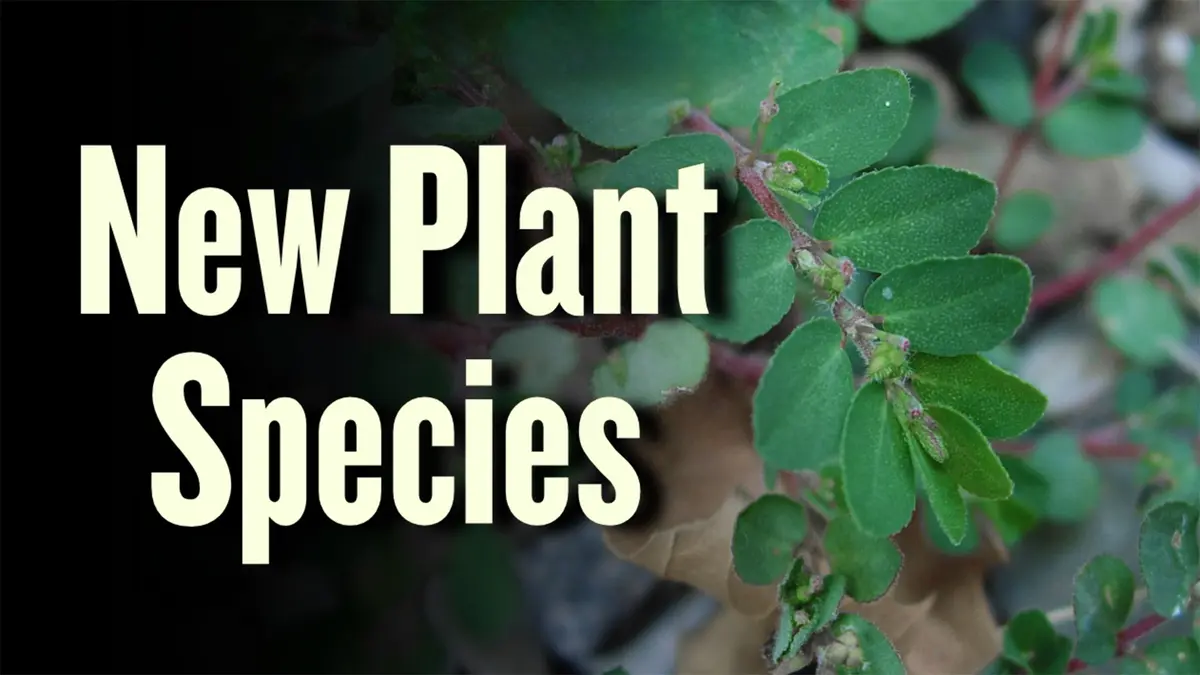
Botanists reported the discovery of three new plant species in the Eastern Ghats of Andhra Pradesh: Euphorbia ananthapuramensis, Euphorbia chalamensis and Ceropegia andhrica. The species are considered critically endangered because each has fewer than 200 known individuals and faces habitat degradation.
Background
The Eastern Ghats are an ancient chain of hills running parallel to India’s east coast. Although less celebrated than the Western Ghats, they host many endemic plants adapted to rocky soils and seasonal rainfall. The three new species were identified through detailed morphological studies and genetic analyses by researchers from Andhra University and the Botanical Survey of India.
Euphorbia ananthapuramensis
- Habitat: This small shrub grows among granite boulders at elevations of 450–550 metres in Anantapur district. Fewer than 80 mature plants have been counted.
- Characteristics: It has thick, succulent stems and whorled leaves with a milky latex. Local tribal communities use parts of the plant to treat wounds and digestive problems.
- Threats: Granite quarrying, road construction and grassland fires endanger its tiny habitat.
Euphorbia chalamensis
- Habitat: Found at 300–500 metres altitude in rocky clearings. Just over 100 plants are known.
- Appearance: A slender herb with broad lance‑shaped leaves and small yellowish flowers. Like other Euphorbia species it exudes a latex used in traditional medicine for skin ailments.
- Vulnerabilities: Overgrazing, invasive grasses and conversion of scrubland to agriculture threaten its survival.
Ceropegia andhrica
- Habitat: This dwarf, leafless herb emerges from a subterranean tuber at elevations above 1,000 metres. About 200 individuals have been recorded in cool, moist forest patches.
- Features: It produces delicate, tubular flowers with fused petals that form a cage‑like structure to temporarily trap pollinating insects. The tubers are edible and traditionally consumed by tribal communities as a famine food.
- Conservation issues: Forest fires, livestock trampling and collection of tubers for food threaten the species. Because it has a very short above‑ground life cycle, missing even one flowering season could mean the loss of a whole population.
Conservation significance
Documenting new species helps highlight the ecological value of the Eastern Ghats and the need to protect small, isolated populations. Researchers suggest listing these plants as critically endangered on the IUCN Red List and setting up community‑managed conservation areas to control fires and regulate grazing. Traditional knowledge about medicinal uses also offers avenues for sustainable livelihoods linked to conservation.

