
Why in news?
A powerful earthquake of magnitude 7.6 struck near Tonga on 24 March 2026. The quake occurred deep beneath the ocean—about 238 kilometres below the surface—roughly 150 kilometres from the island of Neiafu. Although sirens were triggered and residents braced for a tsunami, the Pacific Tsunami Warning Center said there was no threat because the tremor was too deep to displace large volumes of water. There were no immediate reports of damage or casualties.
Background
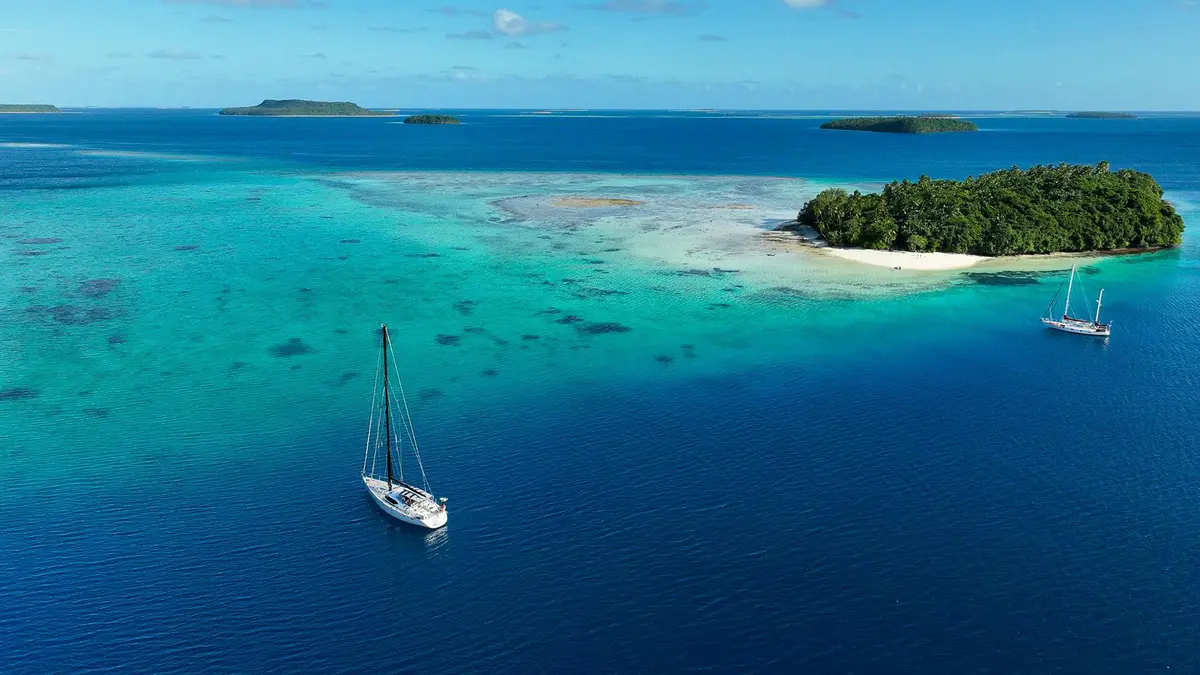
Tonga is a Polynesian kingdom comprising 169 islands, of which 36 are permanently inhabited. The archipelago lies along the geologically active Pacific Ring of Fire, where the Pacific Plate and the Indo‑Australian Plate converge. Its islands are grouped into three main clusters—Vava’u in the north, Ha’apai in the centre and Tongatapu in the south. The western islands are volcanic, while those to the east are formed of coral limestone and sand. The capital, Nuku‘alofa, sits on the largest island, Tongatapu. The highest point in the kingdom is the volcanic peak of Kao, rising to about 1,033 metres.
Tectonic context
- Subduction zone: Tonga lies on a subduction zone where the Pacific Plate is pushed under the Australian Plate. This tectonic activity generates frequent earthquakes and volcanic eruptions.
- Depth matters: Deep earthquakes, such as the March 2026 event, release energy far beneath the surface and are less likely to cause tsunamis than shallow quakes near the seabed.
- Preparedness: Tonga has improved its disaster‑response systems since the devastating volcanic eruption of January 2022. Early warning sirens and evacuation drills help residents respond quickly, even when a tsunami does not occur.
Significance
- Understanding seismic risk: The event reminds us that island nations on the Ring of Fire must remain vigilant. Ongoing monitoring and public education are essential for resilience.
- Geographical awareness: Learning about Tonga’s geography and geology provides context for why such earthquakes occur and why some do not generate tsunamis.
- Regional cooperation: The Pacific Tsunami Warning Center and neighbouring countries play a critical role in issuing timely advisories to safeguard coastal communities across the Pacific.
Source: Reuters

