

Why in news?
In coastal regions around the world, several communities have recently received “Tsunami Ready” recognition from UNESCO’s Intergovernmental Oceanographic Commission (IOC). This recognition highlights their preparedness to respond effectively to tsunami threats. The programme has also been in the news as countries work toward the IOC’s goal of making all at‑risk communities tsunami ready by 2030.
Background
The Tsunami Ready Recognition Programme is a community‑based initiative developed by the IOC to improve coastal resilience and reduce losses of life and property from tsunamis. It uses a set of twelve internationally agreed indicators to evaluate preparedness. To be recognised as tsunami ready, a community must meet all indicators, which are grouped into three categories: assessment, preparedness and response. Recognition is valid for four years and must be renewed through continued compliance.
Key indicators
- Assessment: Communities map tsunami hazard zones, estimate populations at risk and identify critical infrastructure and resources. Hazard maps help residents understand which areas are most vulnerable.
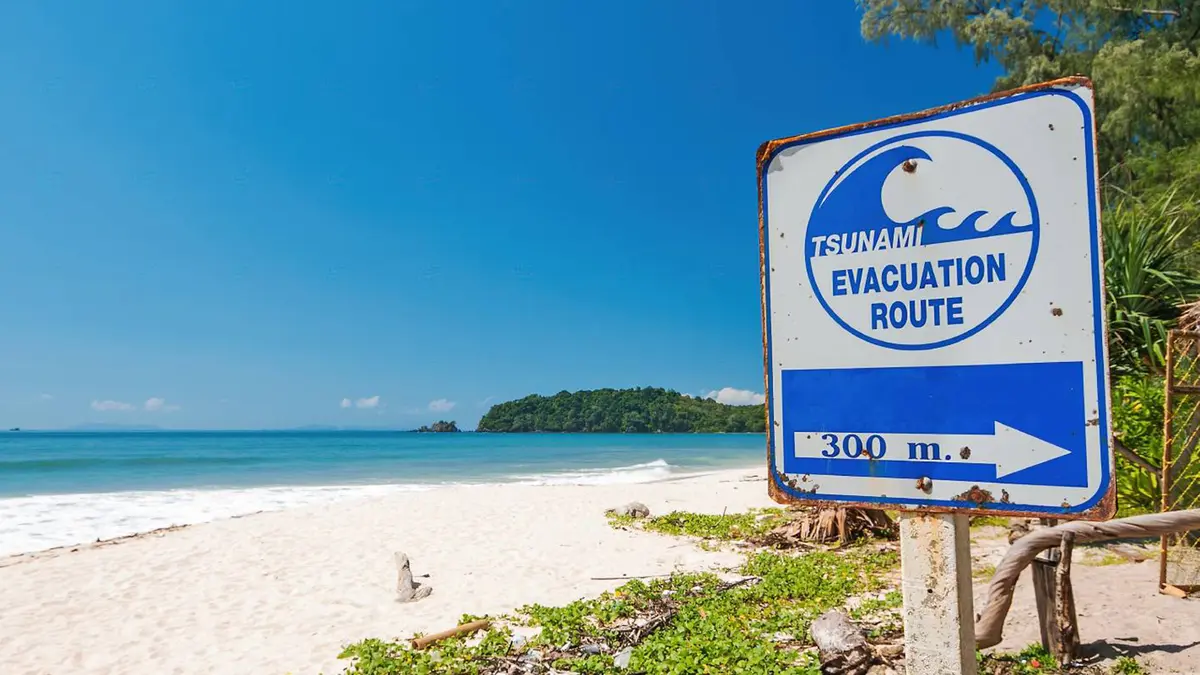
- Preparedness: Approved evacuation maps and public signage show safe routes and high ground. Outreach materials and educational programmes are made available, and community drills take place at least every two years to rehearse evacuation procedures.
- Response: An emergency response plan must be in place. Communities need the capacity to manage disaster operations and must have redundant, reliable means to receive and disseminate 24‑hour official tsunami alerts.
Importance and impact
The global tsunami warning system can detect tsunamis quickly, but alerts alone are not enough to save lives. People living along the coast need to know how to respond without hesitation. By helping communities plan evacuation routes, practice drills, and maintain communication systems, the Tsunami Ready programme builds local capacity. Communities that have gained recognition include Venkatraipur in Odisha, India, as well as several villages in Indonesia, the Caribbean and the Pacific islands. These success stories demonstrate that coordinated preparedness can make a real difference when minutes matter.
Sources: UNESCO IOC – Tsunami Ready Programme