

Why in news?
With India suspending the Indus Waters Treaty in the wake of the Pahalgam terror attack, the Jammu and Kashmir administration has proposed reviving the long‑stalled Tulbul navigation barrage at Wullar Lake on the Jhelum River. The project is intended to ensure year‑round navigation and augment water availability for agriculture and power generation.
Background
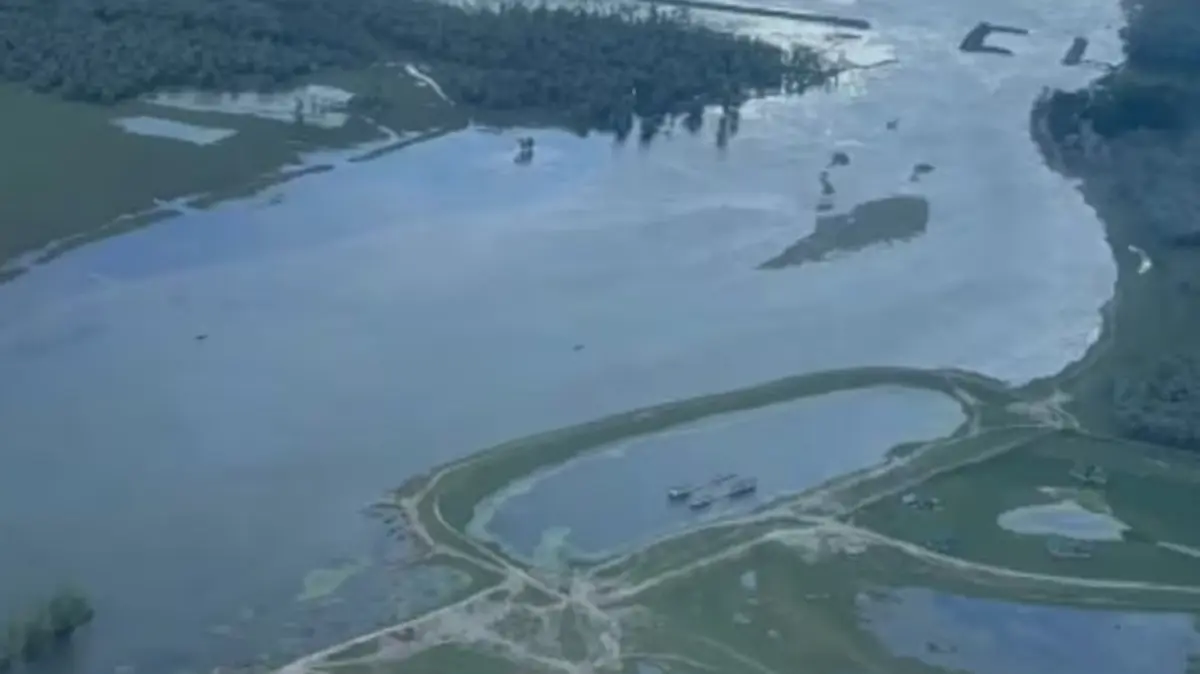
The Tulbul project is a navigation lock‑cum‑control structure at the outlet of Wullar Lake, the largest freshwater lake in India’s Kashmir Valley. Conceived in 1984, it aimed to maintain a minimum depth of 1.5 metres in the Jhelum River during the dry winter months, thereby facilitating transport between Srinagar and Baramulla. Construction was halted in 1987 when Pakistan objected under the Indus Waters Treaty, claiming it would store more water than permitted. However, India argues the storage capacity (about 0.30 million acre‑feet) is allowed for non‑consumptive use like navigation. The barrage, about 439 ft long, would also help regulate floods, support downstream hydroelectric projects and maintain the ecological health of Wullar Lake.
Key points
- Navigation and economy: Restoring the waterway would revive traditional boat transport, promote tourism and reduce transportation costs for goods within the valley.
- Hydrological benefits: By maintaining adequate water levels, the barrage could stabilise flows for power plants and irrigate farmland downstream.
- Treaty considerations: Under the Indus Waters Treaty, India may use river waters for non‑consumptive purposes such as navigation and flood control. Supporters argue that the project complies with the treaty and benefits both countries by reducing flood risk.
- Environmental concerns: Any revival must consider the lake’s ecology, ensuring that construction and operation do not harm wetlands or migratory birds.
The renewed discussion reflects broader debates about water sharing, development and environmental stewardship in the Himalayan region.
Source: The Hindu