

Why in news?
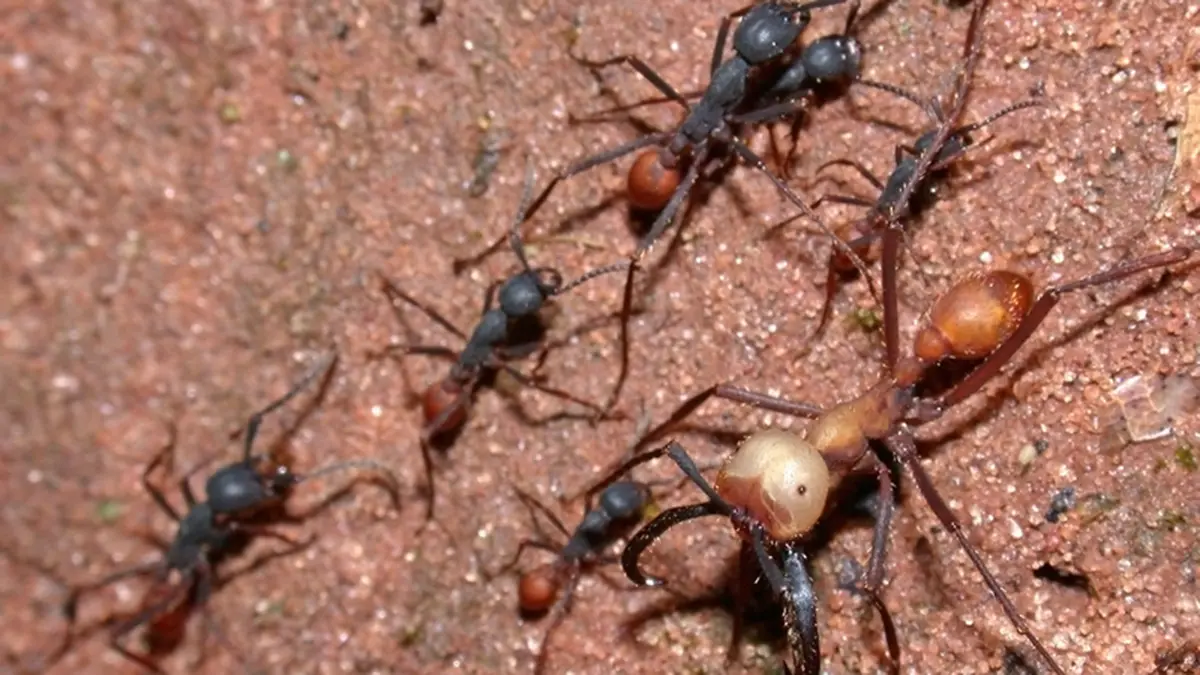
Entomologists have described two previously unknown species of army ants from the dry deciduous forests of Andhra Pradesh’s Eastern Ghats. The discovery highlights the region’s hidden biodiversity and the ecological importance of these nomadic predators.
Background
Army ants of the genus Aenictus are keystone predators in tropical ecosystems. They live in large colonies, lack permanent nests and form temporary shelters called bivouacs using their own bodies. Periodically, entire colonies move in search of prey, leaving characteristic foraging columns. Until recently, peninsular India’s army ant diversity was poorly documented.
Details of the discovery
- New species: Aenictus chittoorensis and Aenictus lankamallensis were discovered in Sri Venkateswara Wildlife Sanctuary on the Tirumala hills. The first belongs to the philippinensis species group and the second to the javanus group.
- Habitat: The ants were found in tropical dry deciduous forests dominated by tree species such as red sanders (Pterocarpus santalinus). The sanctuary’s rugged terrain and seasonal streams create ideal conditions for these nomadic insects.
- Ecological role: Army ants regulate arthropod populations by preying on insects and other invertebrates. Their raids also flush out prey for birds and other predators.
Significance
- Biodiversity insight: Discovering new species underscores how much remains to be explored in the Eastern Ghats, which are less studied than the Western Ghats.
- Indicator of forest health: Army ants thrive in undisturbed forests; their presence signals intact habitats that support complex food webs.
- Need for conservation: Protecting dry deciduous forests from logging and land conversion is vital to preserve both the ants and the myriad species that depend on them.
Source: Deccan Herald