

Why in news?
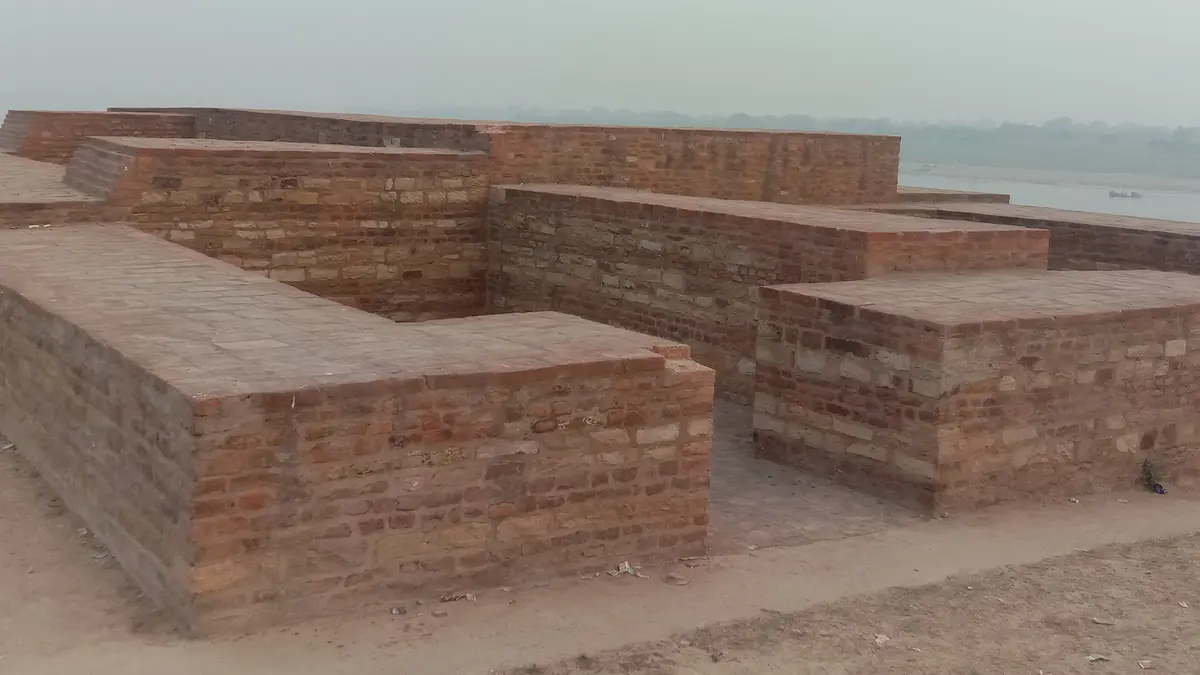
Archaeologists have initiated restoration of the Udayan Fort in Kaushambi district, Uttar Pradesh. The fort, associated with the ancient Vatsa kingdom, has been in ruins for centuries. Recent plans aim to conserve the structure and promote it as a heritage tourism site.
Background
The Udayan Fort—also known as Udyan Kila—stands near the Yamuna River, about 30 kilometres from Kaushambi’s district headquarters (Manjhanpur). Historical accounts suggest the fort dates back more than 2,500 years to the Vatsa Mahajanapada era. It served as the capital of the Vatsa kingdom and was ruled by King Udayana. Local lore tells of Udayana’s romance with Princess Vasavadatta, which appears in classical Sanskrit literature.
The fort complex originally had thick mud and brick walls, bastions and defensive moats. Remains of towers, ramparts and gateways still dot the mound. Excavations in the 19th century uncovered pottery, coins and structural remains, indicating continuous habitation through the Maurya, Gupta and later periods.
Key features
- Construction: The fort’s walls were built of large bricks and compacted earth, with walls reportedly 15–20 feet thick. Moats surrounded the main citadel.
- Layout: The site follows a barrel‑shaped plan with bastions at intervals. Excavated artefacts include terracotta figurines, beads and seals.
- Historical associations: The fort is linked to the Vatsa kingdom mentioned in Buddhist and Jain texts. King Udayana, who ruled in the 6th century BCE, was celebrated for his love story with Vasavadatta.
- Current status: Much of the structure lies in ruins. Restoration efforts involve strengthening the remaining walls, excavating buried portions and developing visitor facilities.
Significance
Udayan Fort offers insights into urban planning and defence during the Mahajanapada period. Restoring the site will preserve an important chapter of Uttar Pradesh’s history, boost local tourism and provide livelihoods through heritage conservation.