
Why in news?
Security researchers reported weaknesses in a major government-services platform. Some connected services exposed sensitive user details. The government acknowledged problems and began corrective measures. No mass copying of all user records was established.
Background
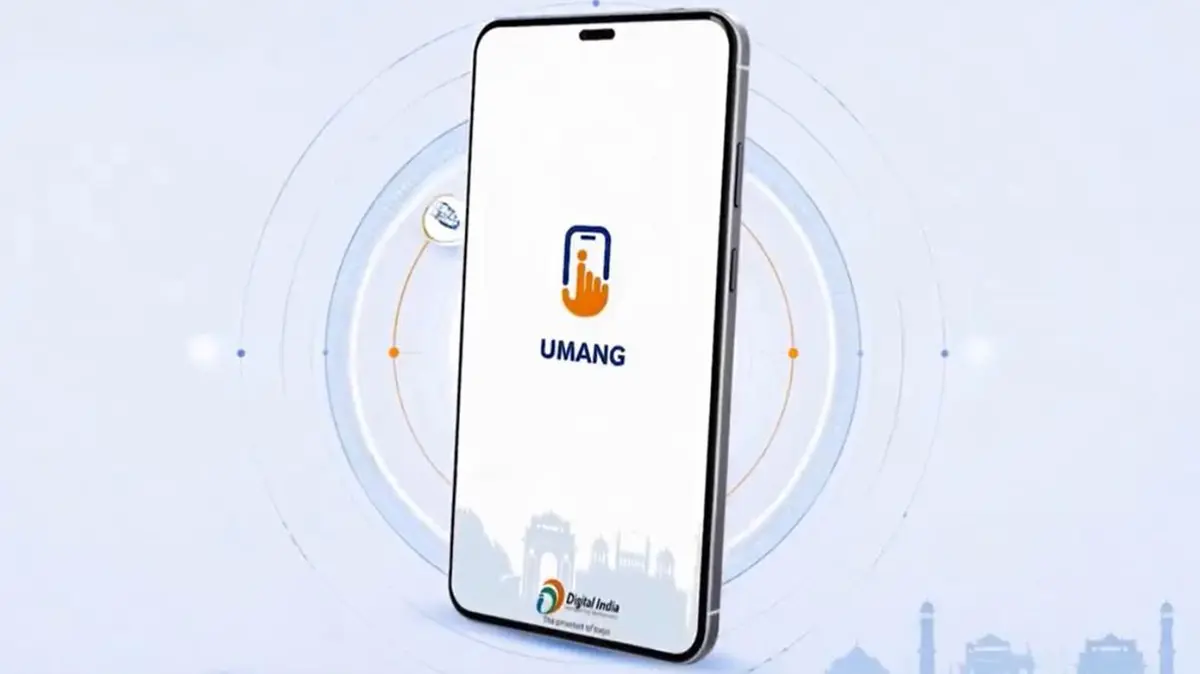
The Unified Mobile Application for New-age Governance is known as UMANG, and it gives one interface for many government services.
The National e-Governance Division developed and operates the platform. This division works under the Ministry of Electronics and Information Technology.
The platform was launched on 23 November 2017. The launch occurred during the fifth Global Conference on Cyber Space in New Delhi.
People can use its mobile application and website, and services come from Union, state and local government bodies.
What problem does the platform solve?
Earlier, a citizen often needed separate applications for different departments, and every service could require another interface and login process.
UMANG acts as an aggregator, and it brings many services into one place without becoming every department’s original database.
The platform had onboarded more than 2,400 services by July 2026. These covered welfare, pensions, utilities, education and other areas.
Important distinction: An aggregator connects many departmental systems. A weakness in one connection does not prove every underlying system failed.
How do connected services exchange information?
Departments commonly exchange data through an Application Programming Interface, called an API. It is a controlled doorway between computer systems.
A secure doorway checks who is requesting information, and it also checks which information that person may receive.
Authentication confirms the user’s identity, and access control decides what an authenticated user can see or change.
Encryption converts readable information into protected coded form, and “plaintext” means the information remains readable without such protection.
What did researchers report?
Researchers Akshay C S and Viral Vaghela studied connections used by several services. They reported weaknesses at the platform-architecture level.
Exposed details reportedly included some Employees’ Provident Fund Organisation account numbers, and these are called Universal Account Numbers.
Some liquefied petroleum gas booking details were also visible, and several connected services reportedly stored Aadhaar numbers in plaintext.
The report did not identify the Aadhaar service module itself as vulnerable. The problematic storage occurred within some other connected services.
Do not confuse: Aadhaar data appeared through certain connected services. The report did not say Aadhaar’s own module caused the weakness.
Was every user record stolen?
No such conclusion was established in the public report, and exposure, access and confirmed mass theft are different events.
Rate limiting restricted repeated automated requests, and this control made rapid copying of an entire database less likely.
Rate limiting allows only a limited number of requests within a period. It reduces abuse but cannot repair weak access rules.
Researchers described possible misuse involving provident-fund account details, and these were risk scenarios, not proof that payouts were stolen.
How did the government respond?
The Ministry acknowledged the reported vulnerabilities, and it said corrective and preventive measures were being implemented.
The concerned interfaces were changed to encrypt previously readable information, and officials also examined three months of system logs.
The government said transaction volumes appeared consistent during that review, and it continued monitoring for suspicious behaviour.
The researchers argued that early fixes remained incomplete, and this difference shows why independent retesting is important.
They had reported the issues to the Ministry and national incident-response authorities. Responsible disclosure gives an organisation time to reduce harm.
What is the national incident-response body?
The Indian Computer Emergency Response Team is called CERT-In. It handles national cyber incidents and issues security directions and advisories.
It operates under the same electronics ministry, and its role is different from the platform operator’s daily service role.
What lessons does the incident provide?
- Every connected service needs its own security review.
- Platforms should collect only necessary personal information.
- Sensitive fields require encryption during storage and transfer.
- Access rules must be tested with real user roles.
- Logs should detect unusual requests without exposing more data.
- Independent researchers need safe reporting channels.
- Fixes require later verification, not only initial deployment.
Large platforms create convenience but also concentration risk, and one common connection can affect several otherwise separate services.
What should users do?
Users should access the official application or official website. They should ignore messages asking for passwords or one-time verification codes.
They should check provident-fund and banking details for unexpected changes, and suspected fraud should be reported quickly through official channels.
These precautions reduce personal risk, and they do not replace the government’s responsibility for secure platform design.
Conclusion
The platform makes public services easier to reach. Its trust now depends upon verified repairs, minimal data and continuous independent testing.