
Why in news?
On 2 June 2026, the U.S. military fired a Hellfire missile at the Botswana‑flagged oil tanker M/T Lexie as it sailed towards Iran, disabling its engine room. The strike was part of a naval blockade designed to pressure Tehran into negotiating a peace agreement. The incident drew global attention to the capabilities of the AGM‑114 Hellfire missile.
Background
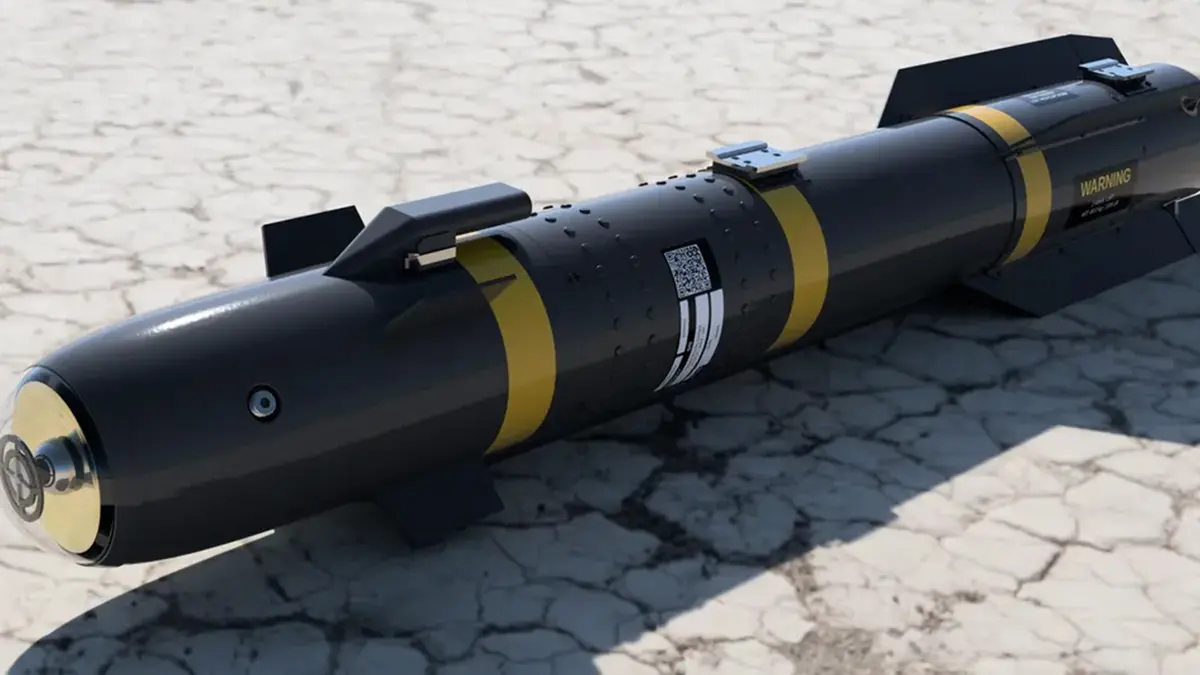
The AGM‑114 Hellfire is a short‑range, precision air‑to‑surface missile developed by the United States in the 1970s. Originally conceived as an anti‑tank weapon for attack helicopters, its name stands for “HELIborne Laser FIRE‑and‑forget.” The missile entered service in 1985 and has since been widely exported. Various variants have been developed: the Hellfire II series (AGM‑114K) with improved guidance and digital autopilots; the “Longbow” variant (AGM‑114L) with a millimetre‑wave seeker for fire‑and‑forget capability; and the multi‑purpose “Romeo” (AGM‑114R) integrating different mission profiles. The missile is typically 1.62–1.75 m long, weighs around 45–48 kg and has a range of 7–11 km. Guidance is provided by semi‑active laser or millimetre‑wave radar, and warheads can be shaped charges or multi‑purpose blast‑fragmentation types. The Hellfire can be launched from helicopters, drones, ground vehicles and ships.
Recent event and implications
- Disabling the tanker: The U.S. Central Command said the missile was fired at the tanker’s engine room after the crew ignored repeated warnings. The strike disabled the ship without causing casualties.
- Blockade actions: The Lexie is the sixth ship disabled since the blockade began on 13 April 2026. U.S. forces have also redirected more than one hundred vessels attempting to enter or leave Iranian ports.
- Wider context: The incident underscores escalating tensions in the Gulf and highlights how precision munitions like the Hellfire allow disabling ships without sinking them. Observers warn that continued blockades and strikes could disrupt shipping and raise oil prices.
- Capability of the Hellfire: The missile’s accuracy, multiple guidance modes and adaptability to different warheads have made it a weapon of choice for the United States in various conflicts, including operations in the Middle East and Afghanistan.
Conclusion
The use of a Hellfire missile against a tanker demonstrates the weapon’s precision and versatility. While the strike disabled the vessel without sinking it, continued military confrontations in international waters emphasise the need for diplomatic solutions to prevent escalation and ensure the safety of global trade routes.