

Why in news?
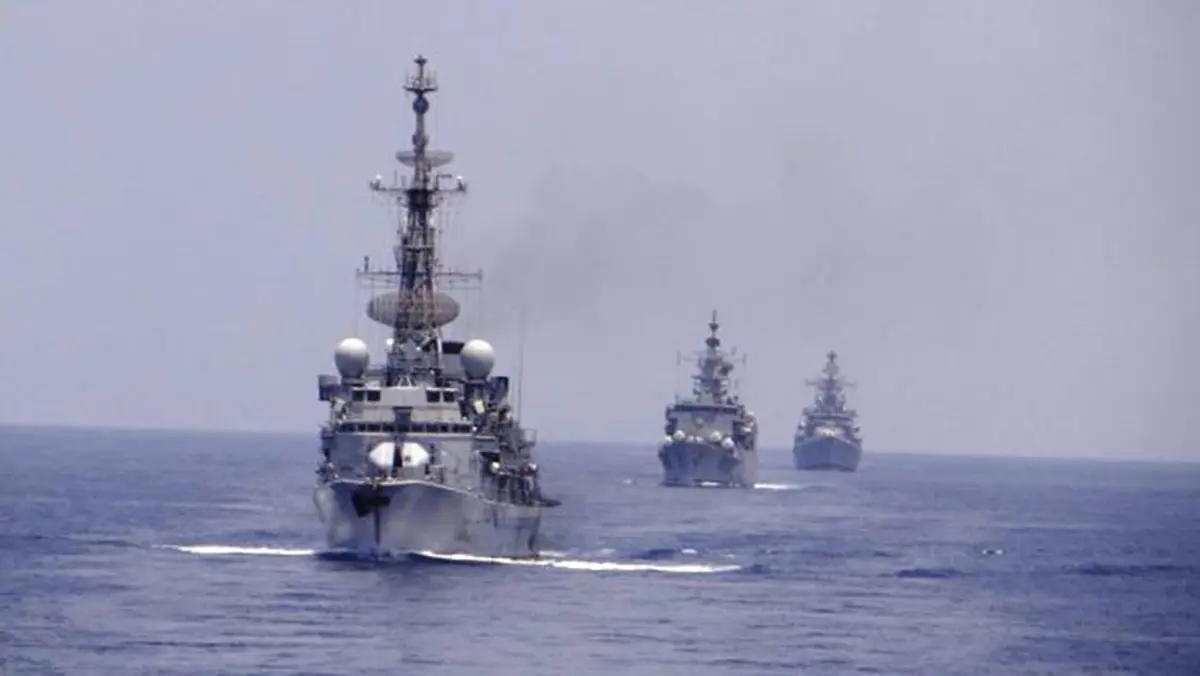
Indian Naval Ship Trishul arrived at Toulon, France, on 22 September for the 24th edition of Exercise Varuna. India's Ministry of Defence announced the visit on 24 September. Varuna is the bilateral maritime exercise through which the Indian and French navies practise working together and exchange operational experience. The announced programme includes professional engagements in harbour and at sea, cross-deck visits and sporting interactions. Toulon's position on France's Mediterranean coast gives the visit a clear maritime setting beyond the Indian Ocean. The programme is intended to strengthen coordination between crews accustomed to different operating procedures. The arrival is confirmed, while the release describes the exercise engagements as upcoming activities.
A recurring exercise with a longer history
The two navies began bilateral exercises in 1993, and adopted the name Varuna in 2001. That chronology separates the beginning of the activity from the naming of the series. Repeated exercises allow navies to build familiarity over time rather than meet only during an emergency. Crews change, equipment develops and procedures evolve. A continuing series provides opportunities to renew working relationships while introducing more demanding forms of cooperation.
The wider India–France strategic partnership dates to 1998. Defence cooperation forms one part of a relationship that also includes space, civil nuclear energy and other fields. France's foreign ministry describes strategic independence as an important shared objective. Cooperation can therefore strengthen practical capability without making the two countries' policies identical. An exercise should not be read as an automatic commitment to join every future operation undertaken by the other participant.
What Trishul brings to the engagement
Trishul is the second Talwar-class frigate and was commissioned on 25 June 2003. A frigate is a warship designed for several maritime tasks, including protection and escort duties. The Defence Ministry describes Trishul as carrying a range of weapons and sensors, with the ability to operate multi-role helicopters. The helicopter extends the ship's reach beyond what its own position permits. These capabilities provide a platform for varied training, but do not prove that every available system is being used in this edition.
The distinction between a ship's general role and a particular exercise programme is important. A vessel may be capable of air, surface and underwater tasks, while a specific engagement selects only some activities. The September announcement does not provide a detailed firing or tactical schedule. There is therefore no basis to transplant every activity from an earlier Varuna edition into the 2026 account.
Why the harbour phase is part of operational learning
A cross-deck visit allows personnel to see how their counterparts organise work aboard another ship. Equipment layouts, watchkeeping arrangements and communication practices can differ between navies. Professional exchanges give crews a setting in which to explain those differences before operating together. Sporting and informal interactions serve a different purpose: they help personnel become familiar with one another. Neither should be mistaken for the whole exercise, but both can support cooperation at sea.
The central objective is interoperability: the ability of different forces to work together effectively. It involves more than using similar equipment or speaking a common language. Participants need compatible procedures, a shared understanding of instructions and clarity about responsibilities. For example, a coordinated movement requires each ship to understand the intended action and its timing. This is an explanation of the training problem, not a claim about a specific manoeuvre already completed in September.
What earlier editions show—and what they do not
The official account of the 2023 edition listed air-defence training, tactical manoeuvres, surface firing and replenishment underway. Replenishment underway means transferring supplies while ships remain at sea, extending their ability to operate away from port. These examples show the kinds of coordination a naval exercise can address. They are historical context. The participating ships, location, duration and activities of that edition cannot be assumed to describe the present programme.
At sea, lessons from professional exchanges can be tested under practical conditions. Weather, ship movement and the need for timely decisions make coordination more demanding than a discussion ashore. The value of an exercise lies partly in discovering where expectations differ and improving procedures afterwards. Public announcements rarely provide all those findings. Participation alone is consequently evidence of engagement, not a complete measure of operational effectiveness.
Toulon gives the visit its geographical setting
Toulon is a port city in southern France on the Mediterranean coast. It is an important French naval centre, rather than an Atlantic port. Its harbour also connects with civilian maritime activity, including routes towards Corsica and Sardinia. Locating the exercise correctly matters because the Mediterranean setting differs from earlier editions held off India's coast. The series can bring cooperation into different operating environments without changing its bilateral character.
For the visiting ship, a foreign port call also involves practical relationships ashore: coordination, professional contact and support for the planned engagement. These are part of sustaining a naval presence away from home. The announcement confirms the visit to Toulon, but does not provide Trishul's complete voyage route. It would be misleading to fill that gap with an assumed passage through particular canals or straits.
Conclusion
Trishul's arrival marks another opportunity for the Indian and French navies to deepen practical familiarity through Varuna. The exercise's long history explains its value: cooperation is maintained through repeated work, not created by one visit alone. The September account establishes the participants' stated purpose and the announced programme. Subsequent official reporting would be needed to describe completed activities and specific operational outcomes.