Why in news?
On 21 May 2026 the Union Ministry of Environment, Forest and Climate Change’s Expert Appraisal Committee granted Terms of Reference clearance for the 1,100‑megawatt Velimalai pumped storage hydro‑electric project in Tamil Nadu. The clearance permits detailed studies but is not the final environmental approval.
Background
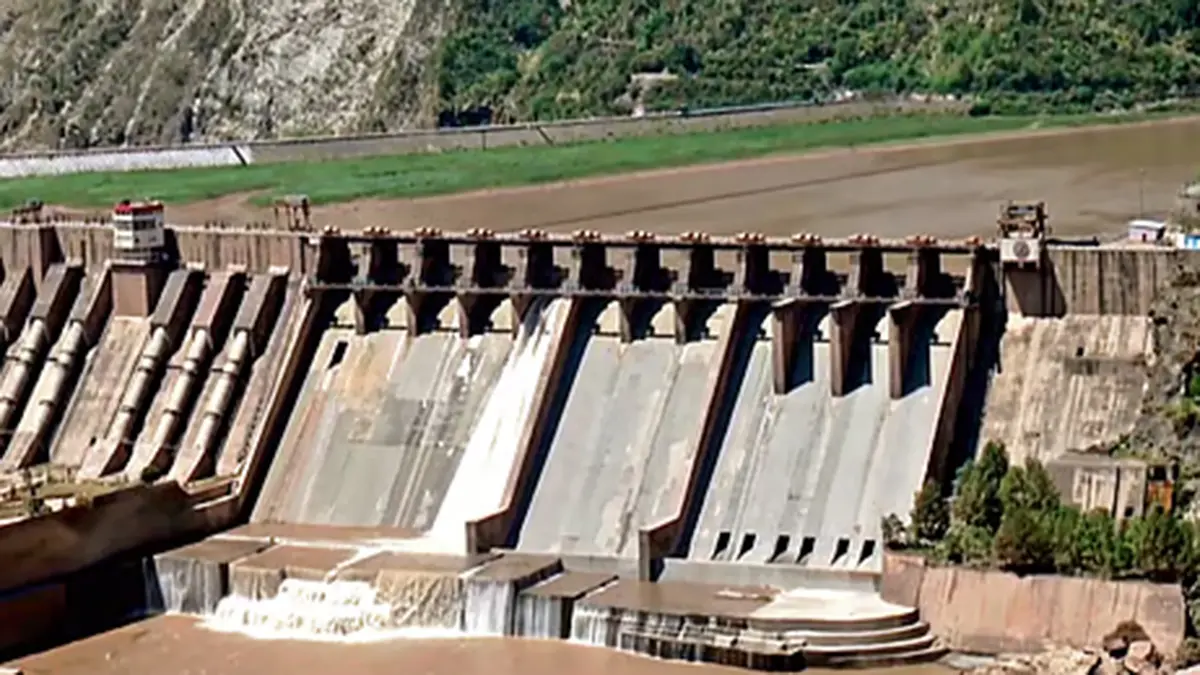
Pumped storage hydropower uses two reservoirs at different elevations. When electricity demand is low, surplus energy is used to pump water from the lower to the upper reservoir. During peak demand, the stored water is released through turbines to generate electricity. First used in Europe in the late nineteenth century, pumped storage now accounts for the majority of the world’s utility‑scale energy‑storage capacity. Projects can be open‑loop, connected to a natural water body, or closed‑loop, where both reservoirs are man‑made.
About the Velimalai project
- Location: The project is proposed near Alur and Velimalai villages in Kanniyakumari district of Tamil Nadu. It will occupy about 159 hectares of land.
- Capacity and design: The scheme will install four reversible pump‑turbine units, each rated at 275 MW, giving a total capacity of 1,100 MW. It is designed to generate power for roughly six hours and to pump water back up for about seven hours each day.
- Cost and developer: Tamil Nadu Green Energy Corporation Limited (TNGECL) plans to implement the project at an estimated cost of ₹5,624 crore.
- Open‑loop system: Because the lower reservoir lies on a non‑perennial stream, the project is considered open‑loop. This classification requires careful assessment of downstream flows and fish migration patterns.
Environmental considerations
- The site is close to the Kanniyakumari Wildlife Sanctuary. The appraisal committee has asked for wildlife studies to assess impacts on elephants and other species that use the area.
- Detailed catchment yield and sedimentation studies are required to ensure that water availability is sufficient for both energy generation and ecological needs.
- The Terms of Reference mandate consultation with local communities and an analysis of alternative locations. Final environmental clearance will depend on the results of these studies.
Conclusion
Pumped storage projects like Velimalai can act as giant batteries, storing surplus renewable energy and releasing it during peak demand. The conditional clearance signals progress for Tamil Nadu’s plans to expand clean‑energy storage, but rigorous environmental and social assessments are essential before construction begins.