

Why in news?
Researchers recently reported that high‑dose vitamin B3 supplements greatly improved survival in laboratory models of NAXD deficiency, a rare metabolic disorder. The finding has generated interest because vitamin B3, also known as niacin, is inexpensive and widely available.
Background
Niacin is one of the water‑soluble B vitamins. In the body it is converted into nicotinic acid and nicotinamide, which form the coenzymes NAD⁺ and NADP⁺. These coenzymes help more than 400 enzymes carry out vital tasks such as turning food into energy and building DNA. Niacin comes from foods like meat, poultry, fish, legumes, nuts and whole grains. Deficiency causes the disease pellagra, characterised by diarrhoea, dermatitis and dementia along with depression, headache and fatigue. The body cannot store niacin, so a regular dietary supply is essential.
NAXD deficiency is a very rare genetic disorder in which mutations prevent recycling of damaged NADH molecules. This leads to toxic build‑up of metabolic by‑products, causing severe neurological symptoms such as lethargy, muscle weakness and seizures. Until recently there was no effective therapy.
Key points about Niacin
- Role in metabolism: Niacin forms coenzymes that enable the breakdown of carbohydrates, fats and proteins and help repair DNA. Without enough niacin, cells cannot produce sufficient energy.
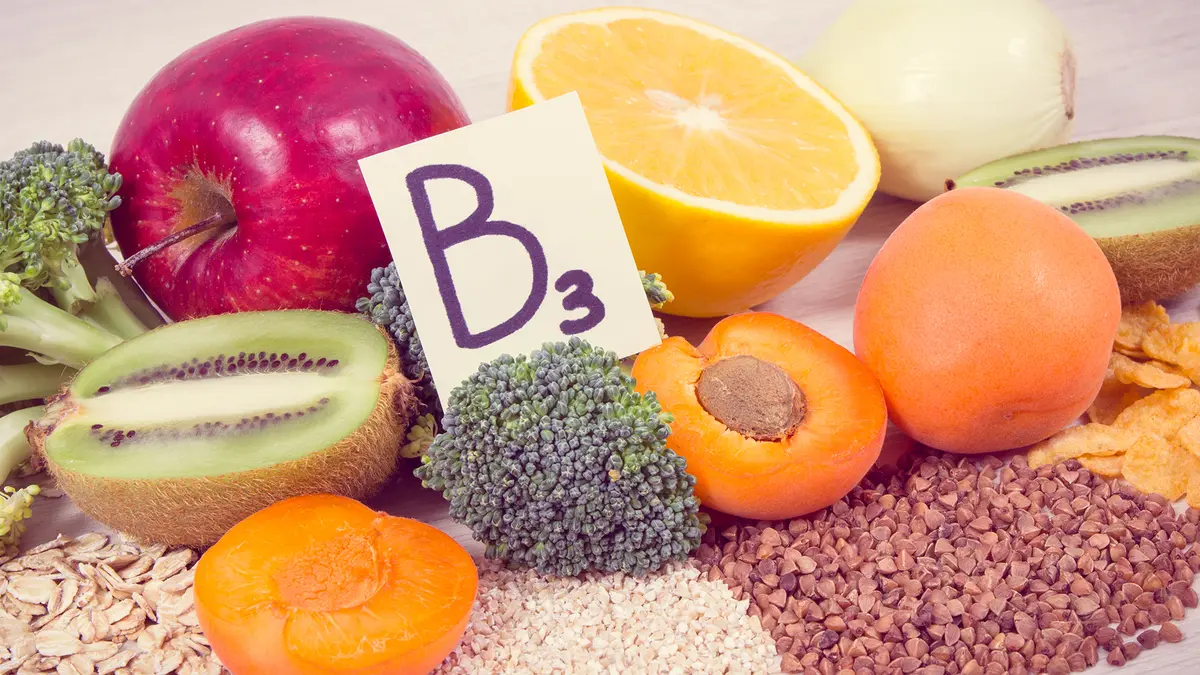
- Sources: Meat, fish, eggs, milk, nuts, seeds and fortified cereals are good sources. The amino acid tryptophan can also be converted into niacin.
- Deficiency signs: Symptoms include loss of appetite, weight loss, indigestion, fatigue, mouth sores, memory loss and skin rash. Severe deficiency leads to pellagra, historically common in communities reliant on untreated maize.
- Therapeutic use: High doses of nicotinic acid can lower cholesterol but may cause flushing and liver stress. People should only take large doses under medical supervision.
How vitamin B3 helps NAXD deficiency
In a recent study scientists gave mice with NAXD deficiency very high doses of vitamin B3. The extra niacin increased the pool of available NAD⁺, normalised levels of the amino acid serine and dramatically prolonged survival. This suggests that boosting niacin intake could partially bypass the metabolic block caused by NAXD mutations. Early diagnosis remains crucial because brain damage progresses quickly. While human trials are needed, the research offers hope that an inexpensive vitamin could treat a devastating disorder.
Conclusion
Niacin is an essential nutrient that supports hundreds of biochemical reactions. Deficiency causes serious illness, but too much can also be harmful. The discovery that high‑dose niacin may treat NAXD deficiency highlights the broader importance of understanding vitamin metabolism. People should meet their niacin needs through a balanced diet and consult a doctor before taking supplements.
Source: News-Medical