
Why in news?
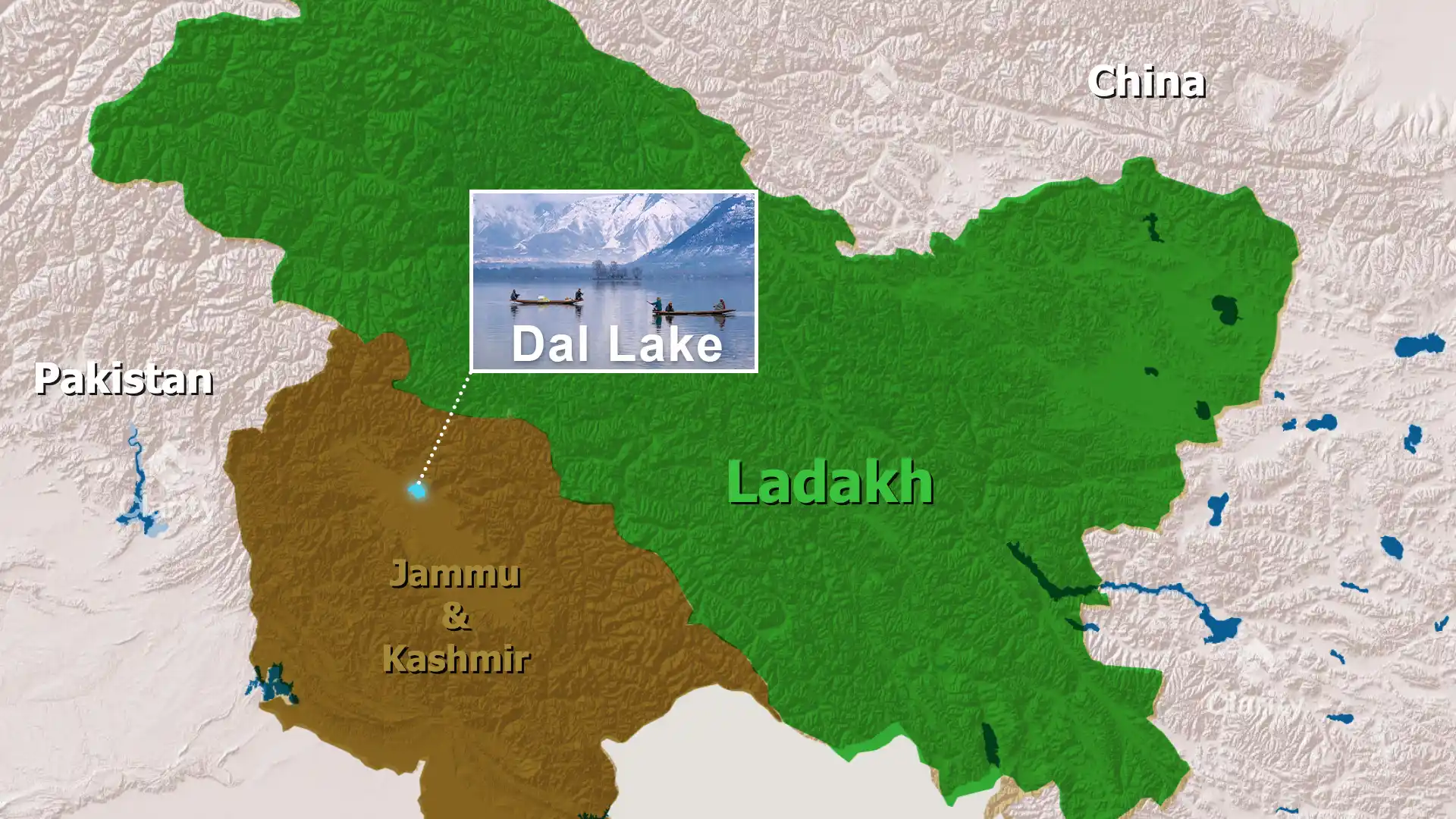
Authorities in Jammu and Kashmir have intensified efforts to remove invasive weeds from Dal Lake to preserve its ecology and support tourism. The operations gained attention in June 2026 as mechanical harvesters and local labourers worked around the clock to clear thick mats of weeds.
Background
Dal Lake is an iconic freshwater lake in Srinagar known for its houseboats and floating gardens. Nutrient runoff from agriculture and untreated sewage has led to the proliferation of invasive weeds such as water hyacinth, Salvinia and Azolla; the native lotus, valued for its edible stem (nadru), is a cultivated plant rather than a weed. Dense weed growth reduces oxygen levels and hampers navigation and fisheries.
Current operations
- The Lake Conservation and Management Authority uses mechanical weed harvesters, long‑arm excavators and manual labour to remove floating weeds.
- Removed weeds are transported to composting sites where they are converted into manure for local farmers.
- Officials also install de‑weeding skimmers and aerators to improve water circulation and oxygenation.
- Public awareness campaigns encourage residents to reduce sewage discharge and use bio‑toilets on houseboats.
- Weed control is an ongoing process that must be repeated every summer because nutrient inflows continue.
Conclusion
Cleaning Dal Lake requires sustained action on multiple fronts, including weed removal, sewage treatment and catchment management. Keeping the lake healthy not only benefits local livelihoods but also preserves the cultural heritage of Srinagar.
Source: Reuters