

Why in news?
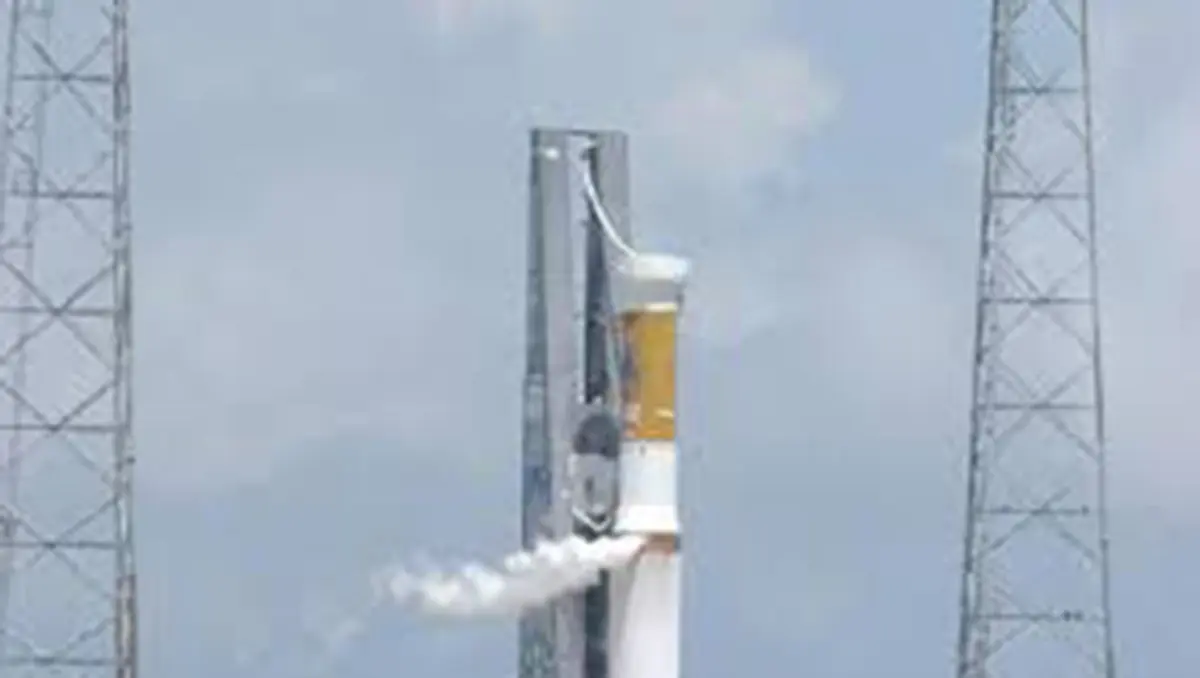
NASA recently conducted a wet dress rehearsal for its Artemis II mission, the first crewed flight of the Space Launch System. The test on 11 February 2026 involved loading the rocket with cryogenic propellants and running through a full launch countdown without igniting the engines. The rehearsal was terminated near the five‑minute mark due to a small hydrogen leak, highlighting both the complexity of the system and the importance of such tests.
Background
A wet dress rehearsal (WDR) is a full‑scale practice countdown that takes place in the weeks or months before an actual launch. The term “wet” refers to the fact that liquid oxygen and liquid hydrogen propellants are loaded into the rocket, unlike a dry dress rehearsal where no fuel is involved. NASA and other space agencies use WDRs to verify that the launch pad systems, rocket hardware and ground crews can work together seamlessly.
What happens during a wet dress rehearsal?
- Fueling operations: Engineers load cryogenic propellants into the rocket’s stages. This checks the integrity of tanks, valves and ground equipment under cold conditions.
- Countdown procedures: The team performs the entire countdown sequence, including checks of guidance systems, communications and safety protocols. The clock is stopped just before engine ignition.
- Safely de‑fueling: After the countdown, propellants are drained to ensure safe conditions. The data collected helps engineers fine‑tune procedures and address any leaks or malfunctions.
Importance for Artemis II
- Identifying issues early: During the February 2026 WDR, a minor leak in the hydrogen system was detected. Catching such problems before flight prevents more serious failures on launch day.
- Training teams: The rehearsal gives ground controllers and launch crews hands‑on experience with real hardware. Coordination between engineers, managers and astronauts is critical for a successful mission.
- Building confidence: Completing a WDR ensures that complex systems function together, building confidence for the actual launch and meeting safety requirements.
Source: NASA Blog · NASA Factsheet