Why in news?
Ahead of World Malaria Day, the World Health Organization (WHO) announced on 24 April 2026 that it has prequalified the first antimalarial medicine formulated specifically for newborns and young infants weighing 2–5 kg. WHO also approved new rapid diagnostic tests to address emerging detection challenges.
Background
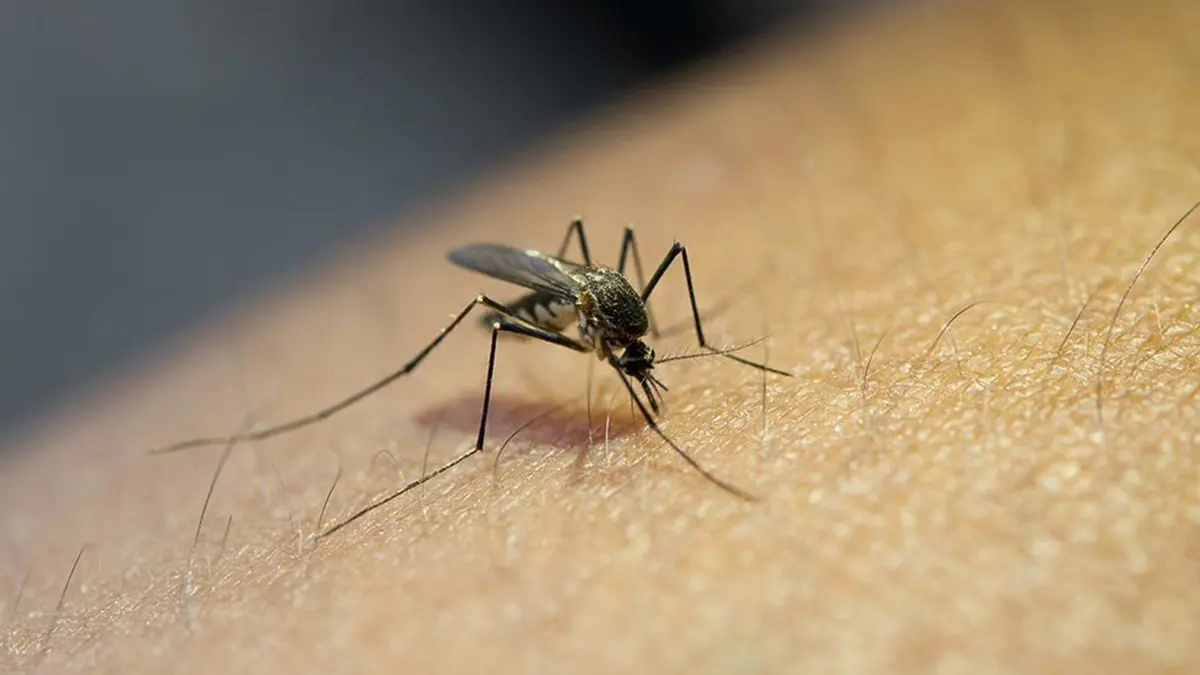
Malaria is a life‑threatening disease caused by Plasmodium parasites and transmitted through bites of infected female Anopheles mosquitoes. Symptoms include fever, chills and headache within 10–15 days of infection; severe cases can lead to seizures, anaemia and death. Young children, pregnant women and travellers from non‑endemic regions are particularly vulnerable. Global progress against malaria has plateaued in recent years due to drug resistance, insecticide resistance and funding gaps.
Details of the new treatment
- Artemether‑lumefantrine formulation: The prequalified medicine, often marketed as Coartem Baby, is the first antimalarial designed for infants weighing 2–5 kg. Previously, healthcare workers had to adjust dosages of tablets meant for older children, increasing the risk of dosing errors and side effects.
- Quality and access: WHO prequalification certifies that the product meets global standards of quality, safety and efficacy. It allows public‑sector procurement in endemic countries, helping to close the treatment gap for an estimated 30 million babies born each year in malaria‑prone areas.
New rapid diagnostic tests
- Pf‑LDH detection: WHO also prequalified three rapid diagnostic tests (RDTs) that target the parasite enzyme lactate dehydrogenase (Pf‑LDH). Some strains of P. falciparum have lost the gene for HRP2, a protein that most RDTs detect, leading to false negatives. Pf‑LDH–based tests offer reliable alternatives.
- Switch recommendation: Countries are advised to switch to these alternative tests when HRP2 gene deletions cause more than 5 percent of cases to be missed. Accurate diagnosis ensures timely treatment and guards against resistance.
Implications and context
WHO Director‑General Dr Tedros Adhanom Ghebreyesus welcomed the news, noting that new vaccines, next‑generation mosquito nets and tailored medicines are making elimination feasible. According to the World Malaria Report 2025, there were an estimated 282 million cases and 610,000 deaths in 2024. More than two billion malaria infections have been averted since 2000, but progress has slowed. The theme for World Malaria Day 2026 — “Driven to End Malaria: Now We Can. Now We Must.” — calls for sustained commitment to end the disease.
Conclusion
By prequalifying a baby‑specific antimalarial and improved diagnostic tests, WHO has taken an important step toward closing treatment gaps and maintaining progress against malaria. Ensuring access to these tools and addressing other challenges such as vector control and health system strengthening will be critical to achieving a malaria‑free world.
Source: The Hindu