
Why in news?
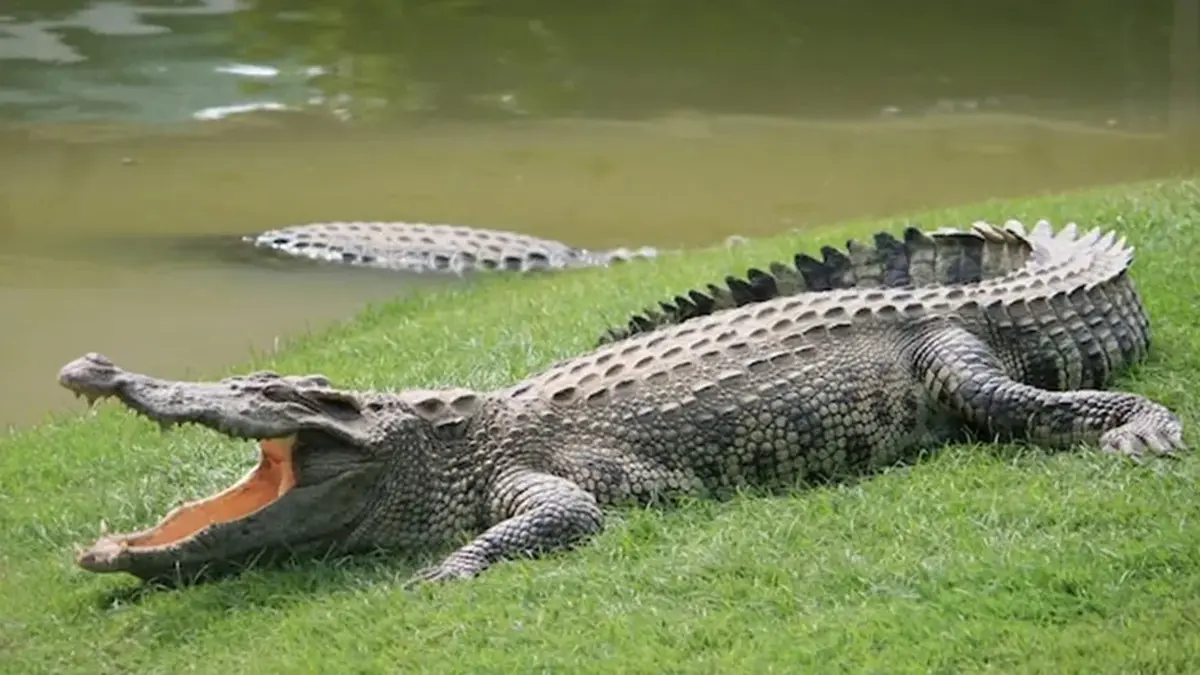
World Crocodile Day is observed every year on 17 June to raise awareness about crocodiles and their habitats. The 2026 theme, “Legacy in Every Scale,” highlights the ancient lineage of crocodilians and emphasises the need to protect these reptiles for future generations. Various wildlife groups organised educational events and conservation campaigns around the world to mark the day.
Background
World Crocodile Day was first celebrated in 2017. It was created by the Crocodile Research Coalition and partners to focus global attention on crocodile conservation. Crocodiles, gharials and alligators have existed for over 200 million years and are often called “living fossils.” They inhabit tropical wetlands, rivers and mangroves across Asia, Africa, Australia and the Americas. The animals are apex predators whose hunting and nesting habits help maintain healthy aquatic ecosystems.
Major threats
- Habitat loss: Urbanisation, dam building and wetland drainage destroy nesting and feeding areas.
- Poaching and illegal trade: Crocodiles are hunted for their skin, meat and body parts, leading to population declines.
- Human–wildlife conflict: Encroachment on wetlands increases encounters with humans, often resulting in retaliatory killings.
- Pollution and climate change: Industrial waste, plastic pollution and rising temperatures affect reproduction and survival of crocodile species.
Crocodile conservation efforts in India
India is home to three species of crocodilians — the Mugger crocodile, the Saltwater crocodile and the Gharial. Hunting of these species was banned in the early 1970s. In 1975 the Government of India launched a Crocodile Conservation Project with assistance from the United Nations Development Programme and the Food and Agriculture Organization. The programme established breeding centres and protected areas such as Bhitarkanika National Park in Odisha and the National Chambal Sanctuary. Odisha is the only state that harbours all three species, and India now supports around eighty percent of the world’s gharial population. Community education programmes, restoration of rivers and wetlands, and research on crocodile ecology have helped revive populations over the past five decades.
Conclusion
World Crocodile Day reminds us that crocodiles are ancient creatures integral to aquatic ecosystems. By conserving wetlands, combating poaching and engaging local communities, nations can ensure that crocodiles and other reptiles thrive. The theme “Legacy in Every Scale” urges us to respect their long evolutionary history and to protect them for the future.