Why in news?
On 22 May 2026 the World Health Assembly (WHA) adopted its first ever resolution on stroke. The resolution urges Member States to recognise stroke as a public health priority and to strengthen policies across prevention, acute treatment and rehabilitation.
Background
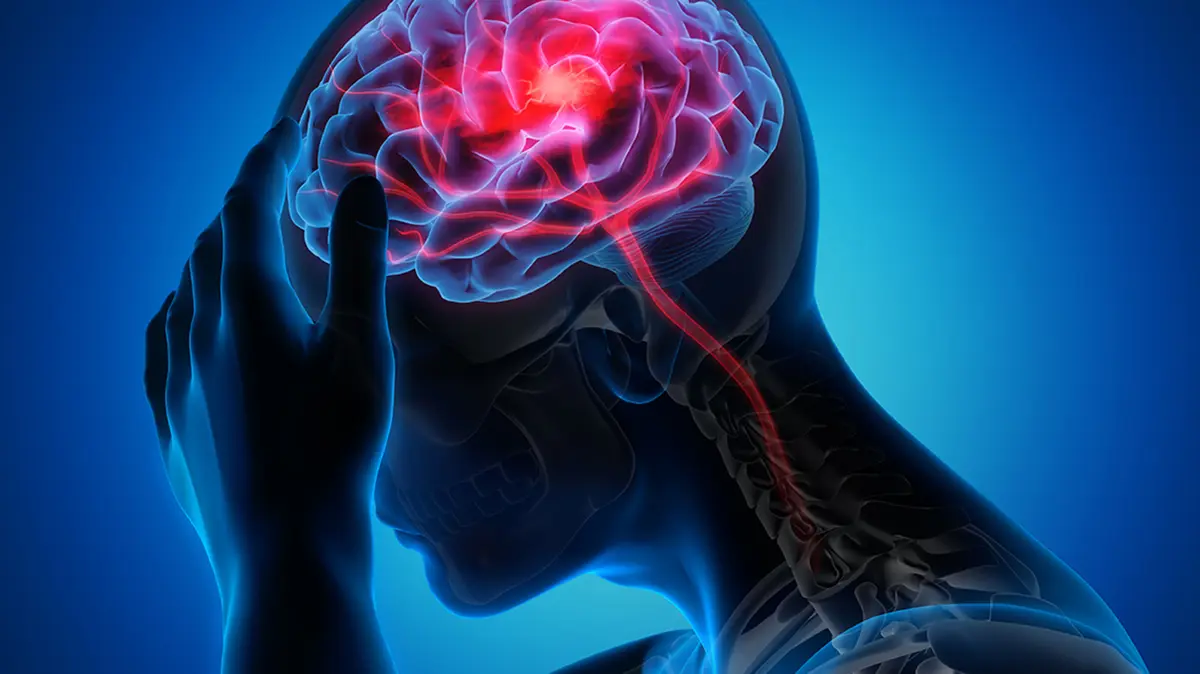
A stroke occurs when blood flow to part of the brain is interrupted. In an ischaemic stroke a blood clot blocks an artery, while in a haemorrhagic stroke a vessel ruptures and causes bleeding. A transient ischaemic attack (TIA) is a brief blockage that produces similar symptoms but leaves no permanent damage. Without prompt treatment, brain cells die, leading to disability or death. Modifiable risk factors include high blood pressure, smoking, elevated LDL cholesterol, high blood sugar, kidney disease, obesity, physical inactivity, excessive sodium intake, air pollution and harmful alcohol use. Non‑modifiable risks include age, previous stroke, heart conditions like atrial fibrillation and chronic kidney disease.
Key messages of the resolution
- Comprehensive care: The resolution calls on countries to strengthen policies across the stroke care continuum – from prevention and risk‑factor control to timely access to emergency treatment, rehabilitation and long‑term support【360144325645828†L43-L56】.
- Technical guidance: It requests the World Health Organization to provide technical assistance to help countries implement effective, evidence‑based interventions【360144325645828†L52-L55】.
- Global burden: Stroke affects about 12 million people each year, is the second leading cause of death worldwide and leaves millions with long‑term disabilities【360144325645828†L34-L41】. The resolution acknowledges that low‑ and middle‑income countries bear the highest burden and that investment in prevention yields high returns【360144325645828†L86-L99】.
Importance
The resolution provides a global mandate to integrate stroke prevention and care into national health strategies. It emphasises strengthening primary healthcare, improving public awareness of symptoms (such as sudden weakness, confusion, vision problems, dizziness and severe headache) and expanding rehabilitation services. By committing to coordinated action, countries can reduce premature deaths and disabilities from stroke and move closer to achieving the Sustainable Development Goals.