
Why in news?
World Lupus Day is observed every year on 10 May to raise awareness about lupus, a chronic autoimmune disease. The 2026 campaign urged governments and health professionals to improve access to diagnosis, research and treatment, and encouraged people living with lupus to share their experiences. Increased awareness helps promote early detection and better management of the disease.
Background
Lupus—formally known as systemic lupus erythematosus (SLE)—occurs when the immune system produces antibodies that mistakenly attack the body’s own tissues. This triggers widespread inflammation and can damage organs including the skin, joints, kidneys, heart, lungs and brain. The exact cause is unknown, but researchers believe a combination of genetic susceptibility and environmental triggers (sunlight, infections, certain medicines and smoking) leads to the disease. Women are affected about nine times more often than men, and most diagnoses occur between ages 15 and 45. Lupus can also appear in children or later in life.
Types of lupus
- Systemic lupus erythematosus (SLE): The most common form; affects many organ systems. Symptoms vary widely from person to person.
- Cutaneous (discoid) lupus: Limited to the skin, causing red or scaly rashes, often worsened by sun exposure.
- Subacute cutaneous lupus: Causes red, ring‑shaped patches that are very sensitive to sunlight.
- Drug‑induced lupus: Triggered by certain medicines; usually resolves when the medication is stopped.
- Neonatal lupus: A rare condition affecting babies born to mothers with lupus antibodies; symptoms typically clear within six months.
Signs and symptoms
Lupus is sometimes called “the great imitator” because its symptoms resemble those of many other diseases. They often come and go in flares. Common signs include:
- Persistent tiredness and low‑grade fever.
- Joint pain, stiffness and swelling.
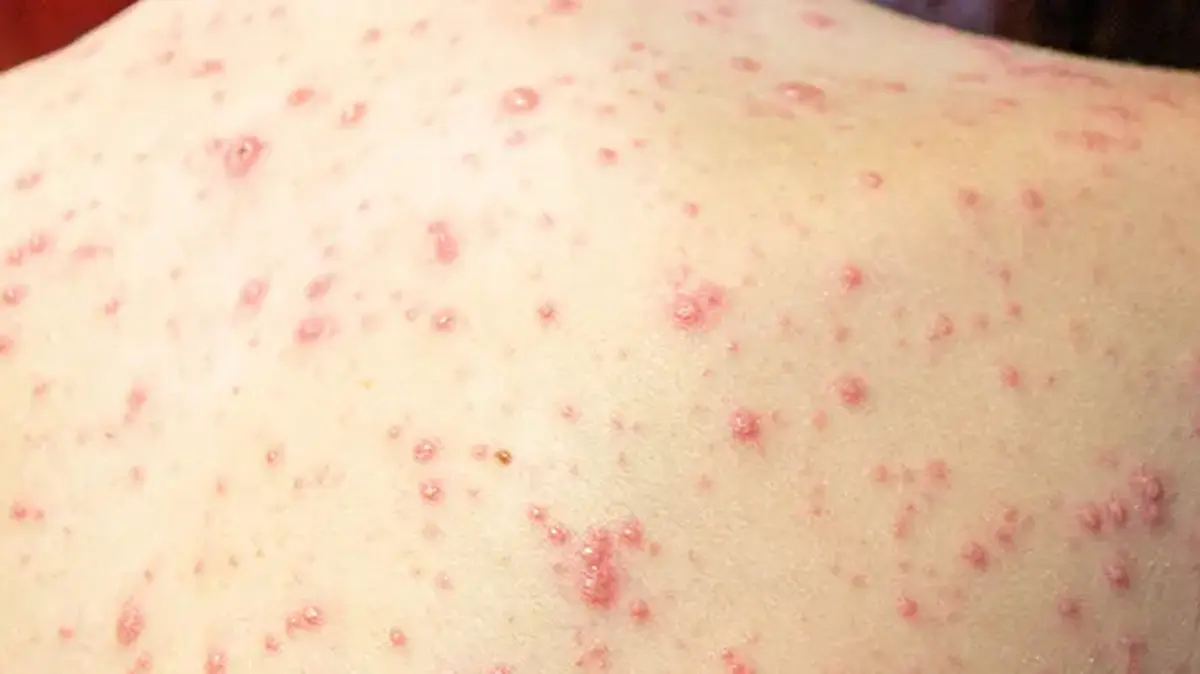
- Butterfly‑shaped rash across the cheeks and nose, or other skin rashes that worsen with sun exposure.
- Fingers and toes that turn white or blue in cold or stress (Raynaud’s phenomenon).
- Hair loss and painless mouth or nose sores.
- Shortness of breath, chest pain, headaches and cognitive difficulties.
Risk factors and complications
- Risk factors: Being female, aged 15–45, of African, Hispanic, Asian or Indigenous descent, and having family members with autoimmune diseases increase the risk. Exposure to sunlight, infections or certain medications can trigger flares.
- Complications: Prolonged inflammation may damage the kidneys (lupus nephritis), brain and nerves, blood vessels, lungs and heart. Lupus raises the risk of anaemia, blood clots, miscarriages and cardiovascular disease. Infection is a major concern because both the disease and its treatments weaken immunity.
Management
There is currently no cure for lupus, but medicines and lifestyle adjustments can manage symptoms and prevent organ damage. Treatment options include non‑steroidal anti‑inflammatory drugs (NSAIDs) for pain, antimalarial drugs such as hydroxychloroquine to control skin and joint symptoms, corticosteroids to reduce inflammation and immunosuppressants for severe disease. People with lupus are advised to protect themselves from sunlight, get regular exercise, avoid smoking, follow a balanced diet and work closely with healthcare professionals to monitor their condition.

