

Why in news?
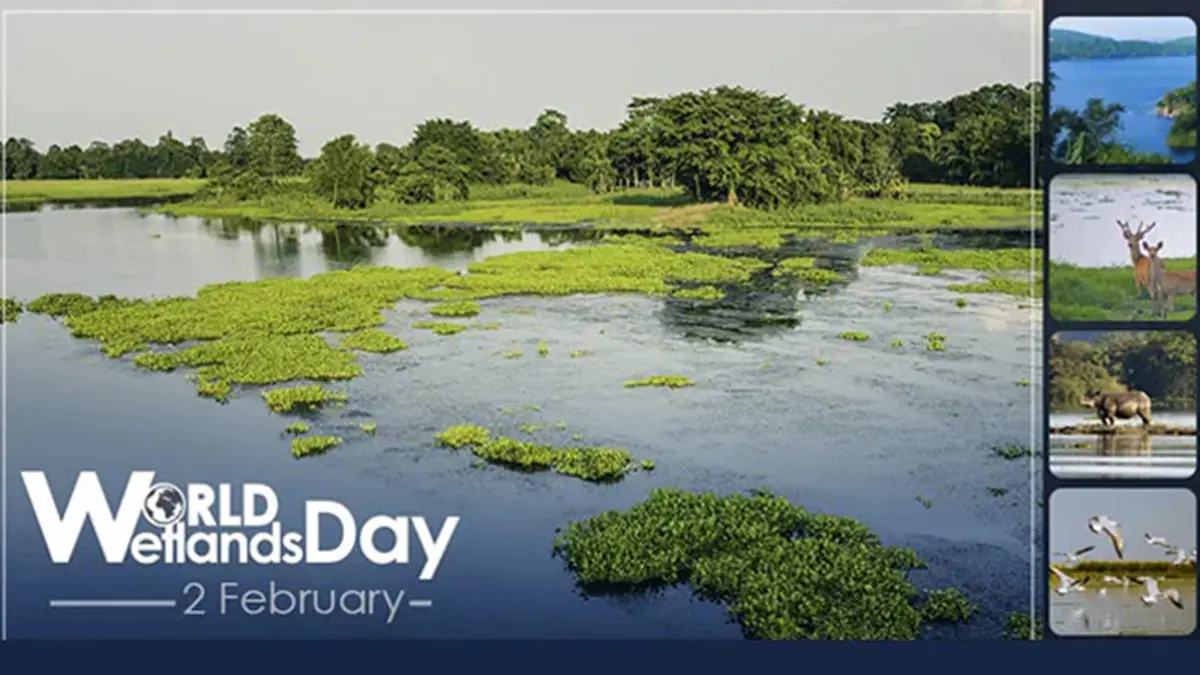
On 2 February 2026 the world celebrated World Wetlands Day with the theme “Wetlands and Traditional Knowledge.” The day highlighted how indigenous peoples and local communities have preserved wetlands through centuries‑old practices. It encouraged governments to integrate traditional wisdom into conservation policies and recognised wetlands as cultural as well as ecological treasures.
Background
World Wetlands Day marks the signing of the Ramsar Convention on 2 February 1971 in the Iranian city of Ramsar. The convention is the only international treaty focused solely on wetlands, aiming to protect these ecosystems and promote their wise use. India has designated more than 75 wetlands as Ramsar sites, reflecting their importance for biodiversity, flood control, groundwater recharge and livelihoods.
Highlights of 2026 celebrations
- Traditional practices: Events showcased how communities harvest reeds for handicrafts, manage fishing sustainably and use sacred groves to preserve wetland flora.
- Youth engagement: Schools organised essay competitions and bird‑watching walks to instil love for wetlands among students.
- New designations: Several wetlands in Uttarakhand, Odisha and Manipur were proposed for Ramsar recognition, raising the number of protected sites.
- Policy focus: The government emphasised integrating community knowledge in wetland management plans and strengthening rights of local people.
Why wetlands matter
- Ecological services: Wetlands act as natural sponges, absorbing floodwaters and releasing them slowly. They filter pollutants, recharge aquifers and store carbon.
- Biodiversity hotspots: Marshes, swamps and mangroves harbour migratory birds, amphibians, fish and rare plants.
- Livelihoods: Millions of people depend on wetlands for fishing, agriculture, tourism and craft materials.
Source: News18