

E-bus and e-truck motor localisation rules in force from 1 September
ಕನ್ನಡ version is not ready yet. Showing English.
Where it stands
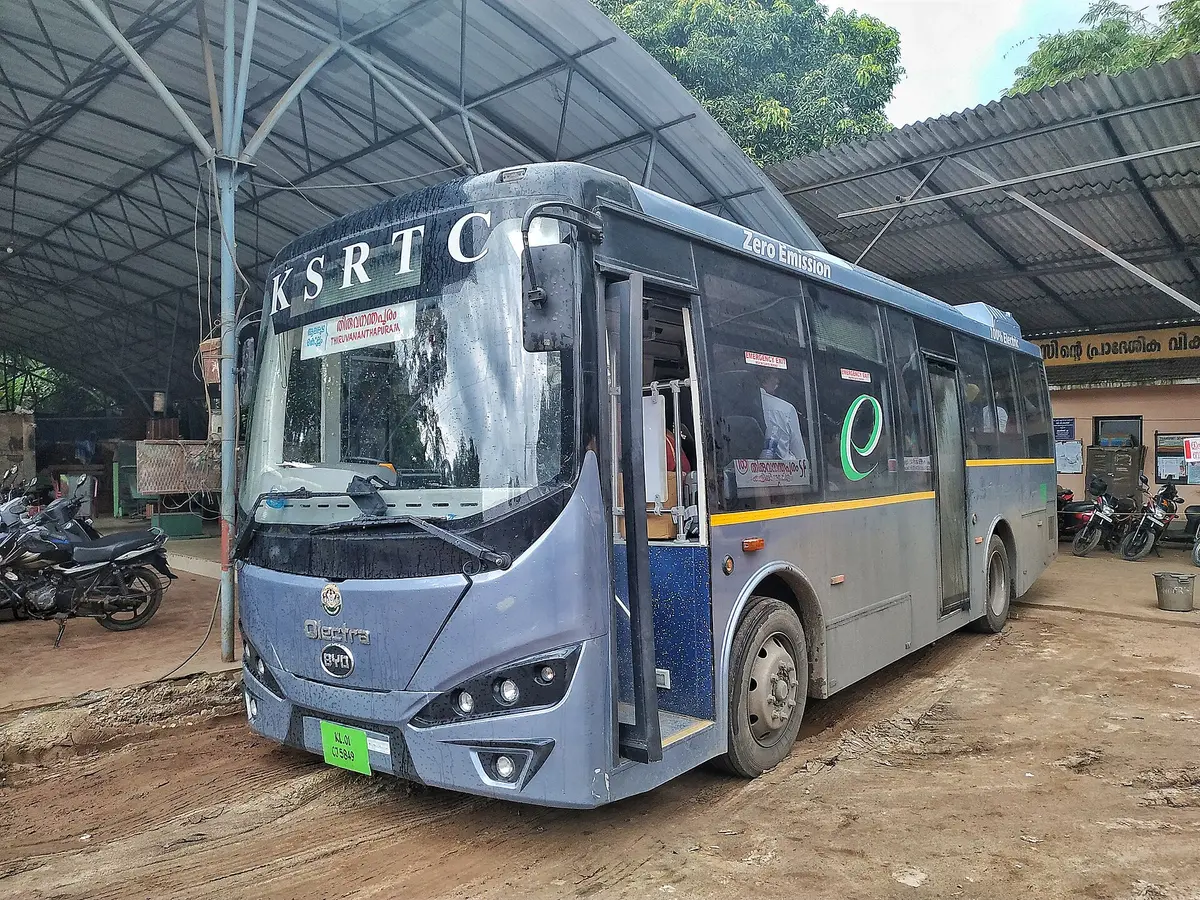
From 1 September 2026, a new localisation rule applies to electric buses and electric trucks. The rule is part of the Central government's PM E-DRIVE scheme. The Ministry of Heavy Industries runs the scheme. Electric buses and trucks must use traction motors assembled in India to get PM E-DRIVE incentives. Motor controllers are also on the localisation list. The Society of Indian Automobile Manufacturers (SIAM) wrote to the ministry on 22 July 2026. SIAM asked for seven more months, until 1 April 2027. SIAM said China's export controls on rare-earth magnets have disrupted supply. On 31 August 2026, officials said a decision was yet to be taken. The rule is in force. The extension is only a request.
Rewritten since you last read
Background
PM E-DRIVE is a Central scheme for electric vehicles. The scheme started in October 2024 with an outlay of Rs 10,900 crore. The Phased Manufacturing Programme lists parts that must be assembled in India. Traction motors in electric buses and trucks use rare-earth magnets. China makes about 94 per cent of the world's rare-earth magnets. India imports all of the 4,000 to 5,000 tonnes of permanent magnets used each year. On 26 November 2025, the Cabinet approved a Rs 7,280 crore scheme for magnet making in India. Government-owned IREL (India) Limited will supply raw material to new magnet units.
How it developed
-
29 September 2024 to 13 March 2026How it started
Motor localisation rule set for 2025 and deferred twice
The Ministry of Heavy Industries notified the PM E-DRIVE scheme on 29 September 2024. The scheme's Phased Manufacturing Programme set 1 September 2025 as the date for India-assembled traction motors. On 4 April 2025, China put export controls on seven heavy rare-earth elements and related magnets. On 30 September 2025, the ministry deferred the motor rule to March 2026. On 13 March 2026, the ministry allowed motor imports until 31 August 2026. The rule then moved to 1 September 2026.
-
22 Jul, 00:00 ISTNew fact
Industry body asks for seven more months, citing rare-earth magnet supply
On 22 July 2026, the Society of Indian Automobile Manufacturers (SIAM) wrote to the Ministry of Heavy Industries. SIAM asked for the deadline to move from 1 September 2026 to 1 April 2027. SIAM said China's export controls had changed the world supply of permanent magnets. On 31 August 2026, officials said a decision on the request was yet to be taken.
-
1 Sep, 00:00 ISTNew fact
Rules in force from 1 September; industry asks for seven more months
The localisation rules took effect on 1 September 2026. The rules cover traction motors and motor controllers for electric buses and electric trucks. A vehicle model must meet the rules to get PM E-DRIVE incentives. No extension has been announced.
Why it matters for UPSC
The rule is a GS Paper 3 topic on industry, infrastructure and critical minerals. Remember the difference between the rule in force and the extension only requested. The story also shows India's dependence on China for rare-earth magnets in electric-vehicle motors.
Key terms
Sources (6)
- Ministry of Heavy Industries · official · PM E-DRIVE scheme portal01:34
- Press Information Bureau · official · PM E-DRIVE Scheme: Electric Vehicle Sales Soar (5 November 2024)01:34
- All India Radio · official · Cabinet approves rare earth magnet manufacturing scheme (26 November 2025)01:34
- Business Standard · E-CV makers in quandary as localisation norms take effect from Tuesday (31 August 2026, updated 1 September 2026)01:34
- Ministry of Heavy Industries · official · Phased Manufacturing Program (PMP) for Electric Vehicles under PM E-DRIVE (Vehicle Category eBuses)01:34
- PTI · Govt allows e-bus, e-truck makers to import traction motors till Aug (17 March 2026)01:34