

Why in news?
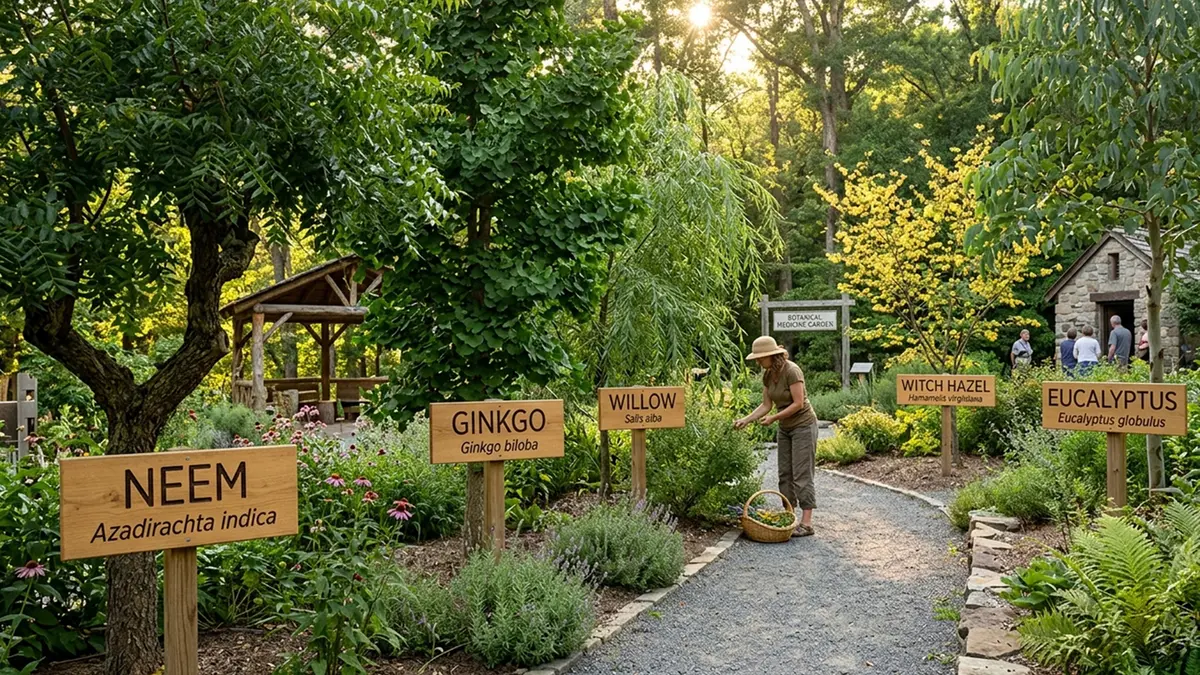
The National Highways Authority of India has launched the Arogya Van initiative to develop thematic plantations of medicinal trees on unused land parcels along national highways. The programme aims to enrich roadside biodiversity and promote awareness of India’s traditional medicinal heritage.
Background
India’s vast highway network often passes through barren stretches with little vegetation. Recognising an opportunity to create green belts, the NHAI devised an initiative called Arogya Van, meaning “medicinal forest.” Instead of ornamental trees, it proposes planting species valued in Ayurveda and Unani systems of medicine. This approach integrates environmental stewardship with cultural heritage.
Key elements of the programme
- Scale and scope: The first phase covers 17 land parcels totalling about 62.8 hectares across states such as Uttar Pradesh, Uttarakhand, Andhra Pradesh, Telangana, Kerala, Tamil Nadu, Rajasthan, West Bengal and Bihar.
- Medicinal species: Around 36 indigenous species—including Neem (Azadirachta indica), Amla (Phyllanthus emblica), Jamun (Syzygium cumini), Tamarind, Ashoka and Arjuna—will be planted. Species are selected based on local climate and soil conditions.
- Strategic locations: Plantations will be developed near toll plazas, interchanges, rest areas and wayside amenities so that travellers can learn about medicinal plants while taking a break.
- Community participation: Local self‑help groups and nurseries will be engaged in planting and maintenance. The NHAI plans to maintain the plantations for at least three years to ensure survival.
- Awareness and education: Informational signage and QR codes will help visitors identify species and understand their uses in traditional medicine.
Significance
- Biodiversity enhancement: Planting diverse medicinal trees improves ecological balance, provides habitat for birds and insects and mitigates the heat island effect along highways.
- Cultural connection: The initiative revives knowledge about herbal medicine and encourages people to respect and conserve native plant species.
- Sustainable development: Green corridors can reduce air pollution, sequester carbon and prevent soil erosion while creating small employment opportunities in nursery and maintenance work.
Conclusion
The Arogya Van programme illustrates how infrastructure projects can be harmonised with environmental and cultural goals. Well‑maintained medicinal gardens along highways can transform monotony into learning experiences and contribute to healthier landscapes.
Sources: PIB