

Why in news?
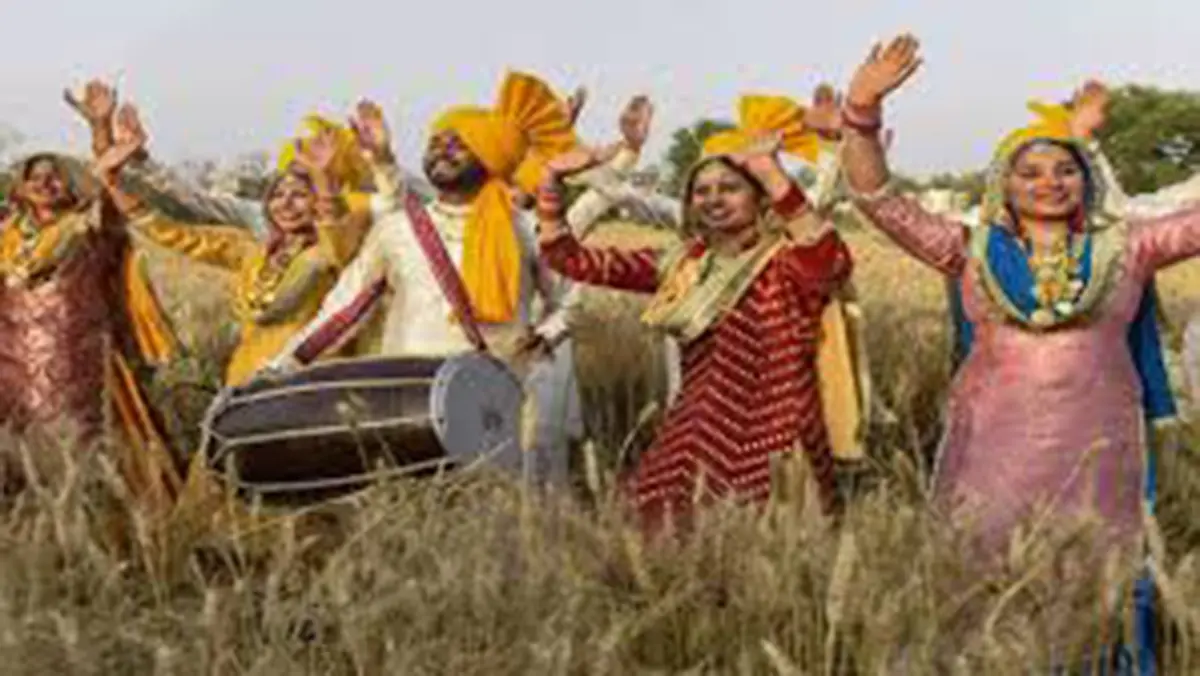
The harvest festival of Baisakhi was celebrated on 14 April 2026. Observed on the first day of the month of Vaisakh, it marks the Punjabi and Sikh New Year. This year’s celebrations were notable for large processions and prayers at gurdwaras across India and the diaspora.
Background
Baisakhi (also spelled Vaisakhi) is a spring harvest festival celebrated mainly in Punjab. It commemorates the ripening of rabi crops and the beginning of a new agricultural year. For Sikhs, it also marks the formation of the Khalsa Panth on 13 April 1699 by Guru Gobind Singh. The tenth Guru called his followers to Anandpur Sahib and initiated the first five Sikhs into the Khalsa, formalising a community bound by the five Ks (Kesh, Kangha, Kara, Kachera and Kirpan).
Celebrations and significance
- Religious observances: Devotees visit gurdwaras for special prayers and listen to kirtan. The Guru Granth Sahib is taken out in procession (Nagar Kirtan), accompanied by singing and the beating of drums.
- Harvest festival: Farmers give thanks for the successful harvest of wheat and other rabi crops. Fairs and community meals (langar) are organised, and people enjoy traditional dishes like sarson da saag and sweets.
- Cultural activities: Folk dances such as Bhangra and Gidda, colourful costumes and folk music enliven the day. In many villages, there are fairs with rides, wrestling and contests.
- Regional names: Similar new‑year festivals are celebrated across India on or around the same date. In West Bengal and Bangladesh it is Pohela Boishakh, in Assam Bohag Bihu, in Kerala Vishu, and in Tamil Nadu Puthandu.
- Historical importance: Baisakhi is linked to the Jallianwala Bagh tragedy of 1919. On 13 April 1919, British troops fired on peaceful protesters in Amritsar, galvanising the freedom movement.
Source: NDTV · Outlook India