

Why in news?
On 20 February 2026, an RTI activist filed an online petition to the Prime Minister’s Office seeking criminal and regulatory action against officials responsible for pollution in the Bhavani River. The activist alleged that untreated sewage and industrial effluents are degrading the water quality of this vital river, which supplies drinking water to Coimbatore, Tirupur and neighbouring regions.
Background
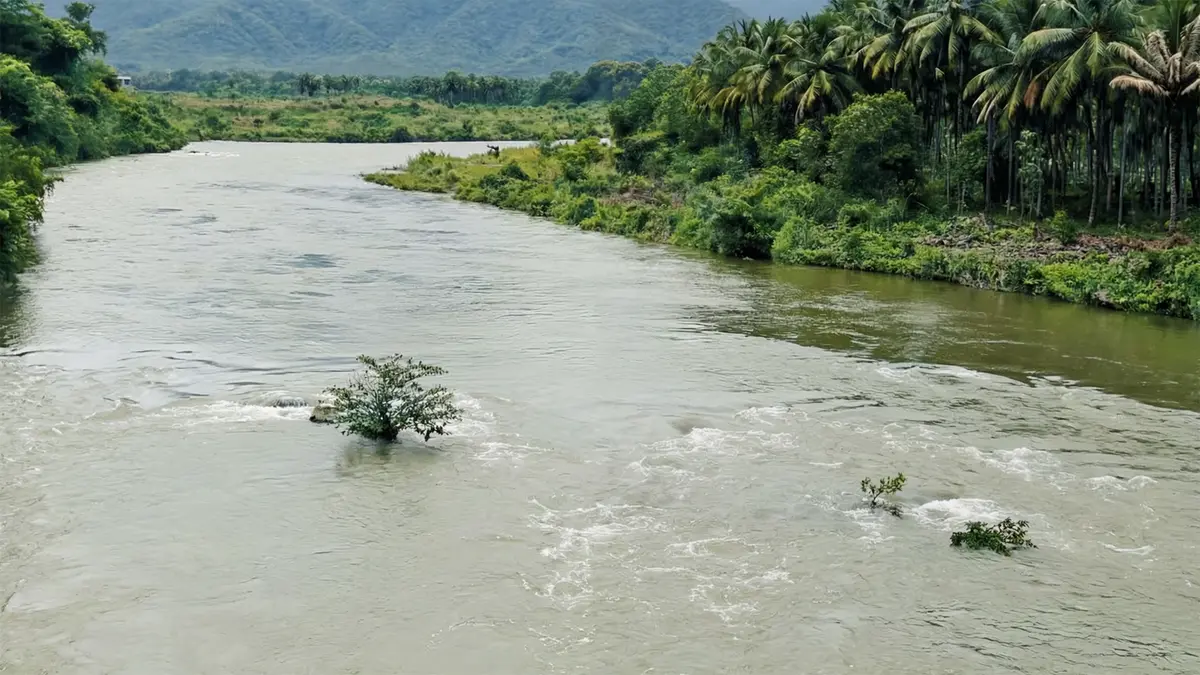
The Bhavani River is a major tributary of the Cauvery River in South India. Originating in the Nilgiri Hills of the Western Ghats at an elevation of around 2,600 m, it flows westward into Kerala’s Silent Valley National Park before turning east and re‑entering Tamil Nadu. The river runs for roughly 230–240 km, making it the second‑longest river in Tamil Nadu. After traversing the Attappadi valley and the fertile districts of Coimbatore and Erode, it merges with the Cauvery at the Bhavani Sangameshwarar Temple. Its drainage basin covers about 6,200 sq km across Tamil Nadu, Kerala and Karnataka and supports irrigation, drinking water supply and hydroelectric generation.
Course and tributaries
- Upper reaches: The river rises in the Nilgiris near the border with Kerala and is fed mainly by the southwest and northeast monsoons. It enters the Silent Valley, an area of pristine rainforest known for biodiversity.
- Return to Tamil Nadu: After flowing through Kerala, the Bhavani turns east, passing through Attappadi and then into the plains of Coimbatore and Erode districts.
- Major tributaries: Important feeders include the West and East Varagar, the Moyar River and the Siruvani River.
- Dams: Two major dams – the Bhavanisagar Dam and the Kodiveri Dam – harness the river for irrigation and power generation.
Environmental concerns
- Pollution: Rapid industrialisation and urbanisation around Mettupalayam and other towns have led to discharge of untreated sewage and industrial effluents into the river. This threatens drinking water quality, agriculture, aquatic life and groundwater.
- Over‑extraction: Nearly 90 per cent of the river’s water is used for agriculture. Excessive withdrawal and damming can reduce flows and concentrate pollutants.
- Deforestation: Land‑use changes in the catchment area, including deforestation and mining, increase soil erosion and sedimentation, affecting water quality.
- Call for action: The petition urges joint inspections by central and state agencies, stricter regulation of industries and sewage treatment plants, and long‑term plans to restore the river’s health.
Source: The Times of India