

Science & Technology

Brachybacterium Netajii: Discovery, Features & Bioremediation

Brachybacterium Netajii: Discovery, Features & Bioremediation

Why in news?

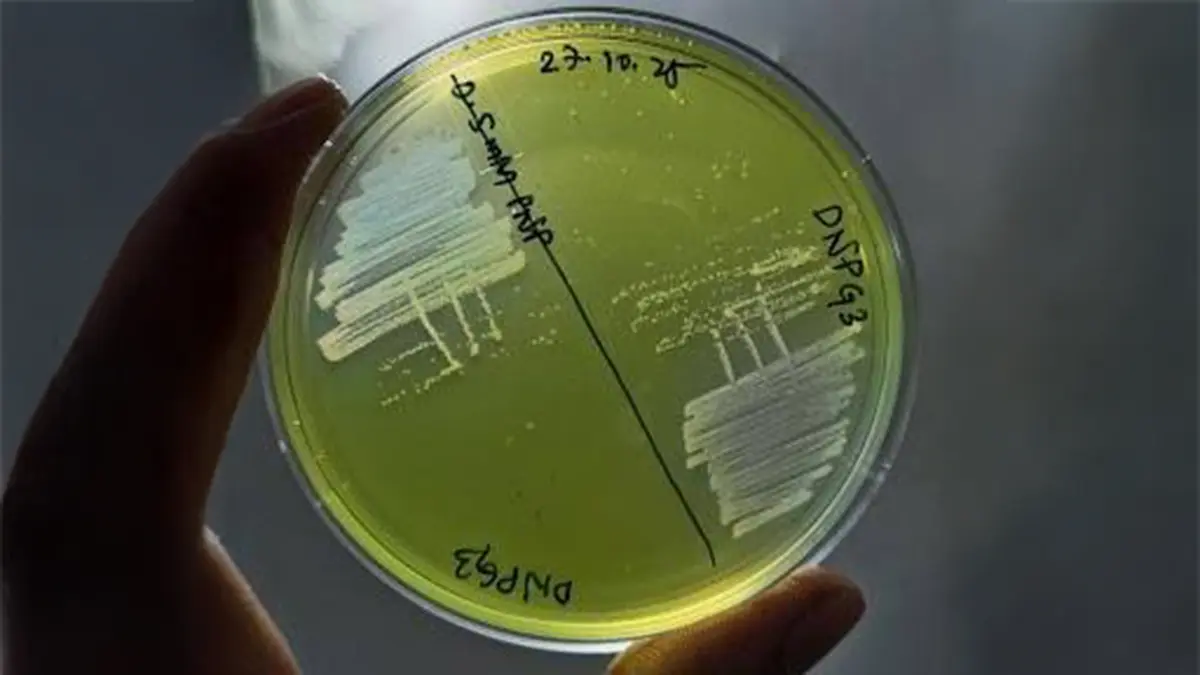
Indian and Japanese researchers reported the discovery of a new bacterium, Brachybacterium netajii, in the waters of the Hooghly River. The microbe can break down toxic chemicals and tolerate heavy metals, offering promise for cleaning polluted waterways.

Background

The bacterium was isolated by scientists from Netaji Mahavidyalaya, the University of Burdwan, IIT (BHU) and Hiroshima University. Samples came from areas contaminated by industrial runoff. Laboratory tests showed that the strain can degrade p‑nitrophenol, a hazardous compound used in dyes and pesticides. Researchers named the species after Netaji Subhas Chandra Bose to honour his legacy.

Notable properties

  • Pollutant degradation: The bacterium breaks down p‑nitrophenol into harmless by‑products. Such chemicals are difficult to remove using conventional methods.
  • Heavy metal tolerance: It survives in the presence of arsenic, cadmium, lead and mercury. This resilience allows it to thrive in industrial effluents where most bacteria die.
  • Halotolerance: The strain grows well even in high‑salt environments. This makes it useful for cleaning coastal and estuarine waters.
  • Unique biochemistry: Researchers found unusual fatty acids and genomic islands that code for stress‑tolerance enzymes. These genes could be harnessed for industrial biotechnology.
  • Bioremediation potential: By using this bacterium in treatment plants, authorities could reduce toxic pollutants in rivers and lower the cost of cleanup.

Conclusion

The discovery of Brachybacterium netajii opens new possibilities for tackling industrial pollution. Further research on its enzymes and survival mechanisms may lead to greener remediation technologies.

Sources

Research Matters

Prelims MCQ Practice

Evaluate Your Retention

Assess your readiness with 4 high-yield multiple-choice questions on this article.

Mark your answers, submit, and see the key with explanations. Answers count only toward anonymous totals — nothing is linked to you, and it resets when you close this tab.

Practice questions 0 of 4 answered

Your result

0 / 4

Only anonymous totals are kept — nothing is linked to you. This resets when the tab closes.

1.

Brachybacterium netajii, a bacterium newly described by Indian and Japanese researchers and named after Netaji Subhas Chandra Bose, was isolated from the waters of which one of the following rivers?

2.

Brachybacterium netajii, a bacterium named after Netaji Subhas Chandra Bose, has attracted attention mainly because it can:

3.

Bioremediation refers to:

4.

With reference to Brachybacterium netajii, consider the following statements:

1.It can grow in high-salt environments.
2.It tolerates heavy metals such as arsenic and cadmium.
3.It is a genetically engineered strain created in a laboratory.

Select the answer using the code given below:

Answer all 4 questions, then submit.
Sign in Today’s news
Current affairs Daily news Daily quiz News Blitz Shorts Economic Survey 2025-26 Subjects
Polity Economy Geography Environment History Science & Tech Intl. Relations Internal Security Art & Culture Social Issues
All subjects Exam info UPSC Syllabus Prelims syllabus Mains syllabus Exam pattern Eligibility & attempts OBC & EWS checker Resources Free downloads Booklist 2026 Previous year papers Video notes YouTube channel