

Why in news?
The 1 August archive highlighted cholera's continuing burden where safe water remains unavailable.
The disease can cause fatal dehydration within hours when severe cases lack prompt treatment.
During 2025, countries reported 614,828 cases and 7,598 deaths to the World Health Organization.
Those reported totals cover 33 countries and do not represent all infections worldwide.
Background
Cholera is an acute diarrhoeal infection caused by the bacterium Vibrio cholerae.
People usually acquire it through food or water contaminated with infected human faeces.
Poor sanitation, unsafe drinking water and weak hygiene systems enable large outbreaks.
Conflict, displacement, floods, cyclones and droughts can damage these essential services.
The bacterium and transmission
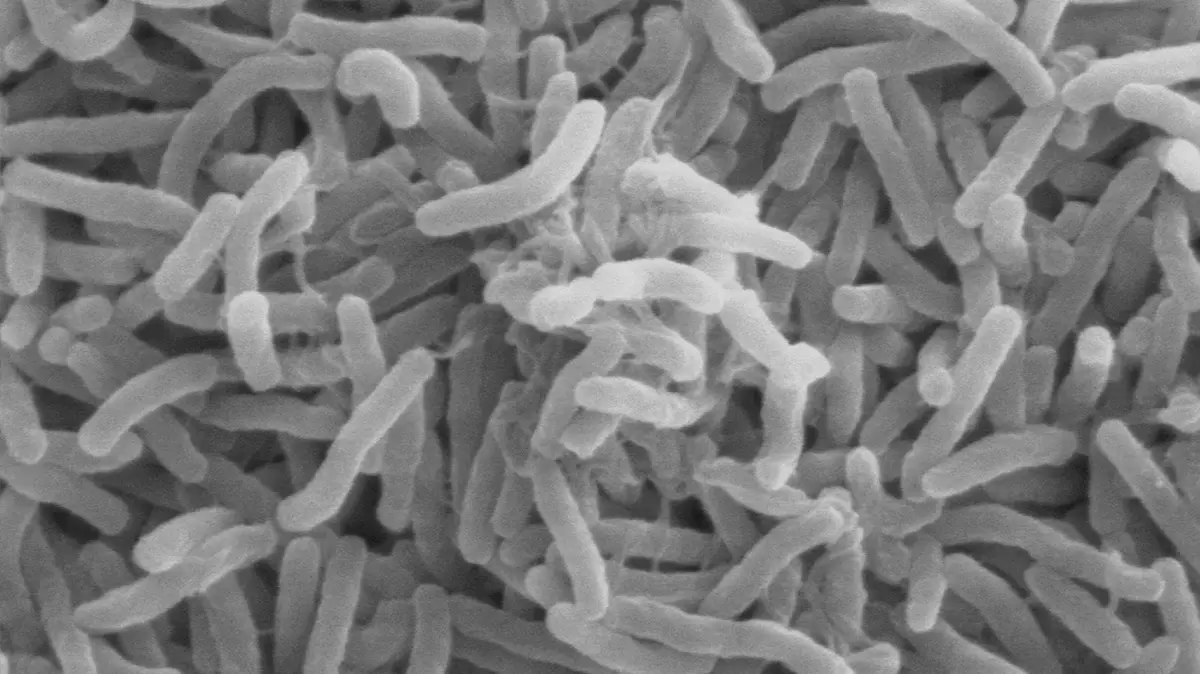
Vibrio cholerae is a curved, Gram-negative bacterium naturally associated with aquatic environments.
Many strains exist, but serogroups O1 and O139 can cause epidemic cholera.
O1 has caused all recent outbreaks, while O139 now appears mainly in sporadic cases.
Transmission follows the faecal-oral route, particularly through contaminated community water or food.
Ordinary casual contact rarely spreads cholera when sanitation and hand hygiene are adequate.
Symptoms and disease course
Symptoms can begin between twelve hours and five days after infection.
Most infected people develop no symptoms or only mild to moderate illness.
They may still shed bacteria in their faeces for one to ten days.
A minority develops profuse watery diarrhoea, vomiting and rapidly worsening dehydration.
Severe fluid loss can cause shock, kidney failure and death without urgent care.
Diagnosis and treatment
Rapid diagnostic tests can help detect probable outbreaks during early field investigations.
Laboratory culture or molecular testing provides confirmation for public-health surveillance.
Prompt oral rehydration solution successfully treats most people by replacing lost water and salts.
Severely dehydrated patients need rapid intravenous fluids alongside continued oral rehydration.
Clinicians may give appropriate antibiotics to severe cases under medical supervision.
Mass preventive antibiotic distribution is discouraged because it can promote antimicrobial resistance.
Prevention and outbreak control
- Safe drinking water prevents exposure through a community's main transmission route.
- Sanitation systems must safely contain and treat human faecal waste.
- Handwashing and hygienic food preparation reduce household contamination risks.
- Surveillance should detect cases quickly and map places with persistent transmission.
- Treatment centres must remain accessible before severe dehydration develops.
Water, sanitation and hygiene measures are collectively abbreviated as WASH.
Oral cholera vaccines can support prevention and emergency outbreak-control campaigns.
Vaccination complements safe water and sanitation rather than replacing those systems.
Understanding the numbers
Reported cases depend upon testing, surveillance, access to care and national notifications.
Researchers estimate 1.3 to 4 million infections and 21,000 to 143,000 deaths annually.
This wide modelled range should not be confused with confirmed cases from one year.
The ongoing seventh cholera pandemic began in South Asia during 1961.
Conclusion
Cholera is treatable and preventable, but its persistence exposes deep inequalities in basic public infrastructure.