

Why in news?
New reporting described a sharp rise in silicosis among California workers who cut engineered-stone countertops. State surveillance continues to update the total.
The disease and the exposure
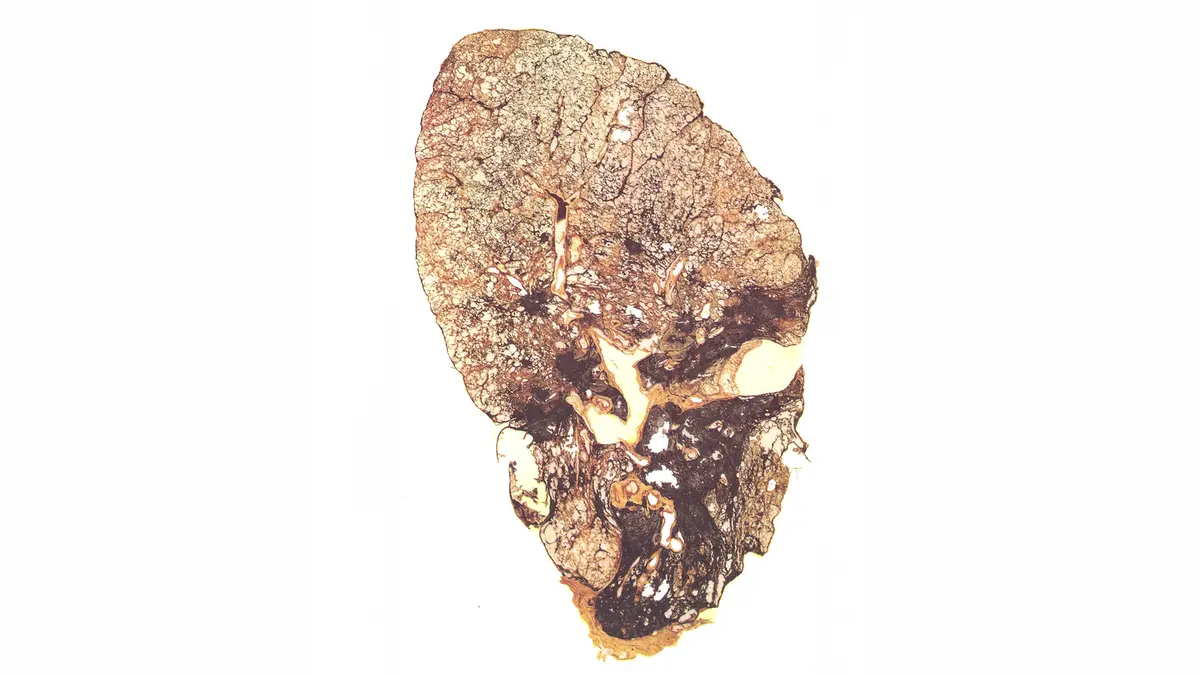
Silicosis is permanent lung scarring caused by inhaled respirable crystalline silica. These particles reach deep lung tissue and trigger inflammation.
Silica occurs in stone, sand, concrete and several industrial materials. Cutting, grinding or drilling can release dangerous respirable dust.
Engineered stone can contain more than 90 per cent crystalline silica. Intense exposure has produced severe disease among younger countertop workers.
The disease may be chronic, accelerated or acute. It can progress even after exposure ends, and no treatment reverses the scarring.
What the California evidence shows
An April 2026 state fact sheet recorded 519 affected workers through February. It recorded 55 lung transplants and 29 deaths.
Later reports cited still higher dashboard totals. This difference reflects continuing surveillance, rather than a settled final count.
The National Institute for Occupational Safety and Health (NIOSH) found widespread excessive exposure. Half of inspected California shops had an overexposed worker.
Diagnosis needs work history
Silicosis can resemble tuberculosis or other lung disease. Clinicians must ask about occupation and past dust exposure.
Prevention and India’s responsibility
Prevention begins with safer materials and processes. Wet methods, enclosure and local exhaust should control dust at its source.
Dry sweeping and uncontrolled cutting spread contamination. Respirators are a final protection layer, not a substitute for engineering controls.
Exposure monitoring and medical surveillance should find risk early. Workers also need clear training and protection against job loss after reporting symptoms.
Silica exposure also increases tuberculosis risk. The World Health Organization recommends systematic screening for exposed workers in high-burden settings.
India’s Supreme Court treated worker protection from silicosis as part of Article 21. Its 2024 directions assigned oversight roles to national institutions.
The Court asked the National Green Tribunal to monitor polluting industries. It asked the National Human Rights Commission to oversee compensation.
Prevention must reach the workshop
Rules matter only when dust controls, inspections and health surveillance operate where cutting actually occurs.
Conclusion
The countertop outbreak exposes a familiar regulatory failure around a preventable disease. Worker health must shape materials, methods and enforcement.