

Why in news?
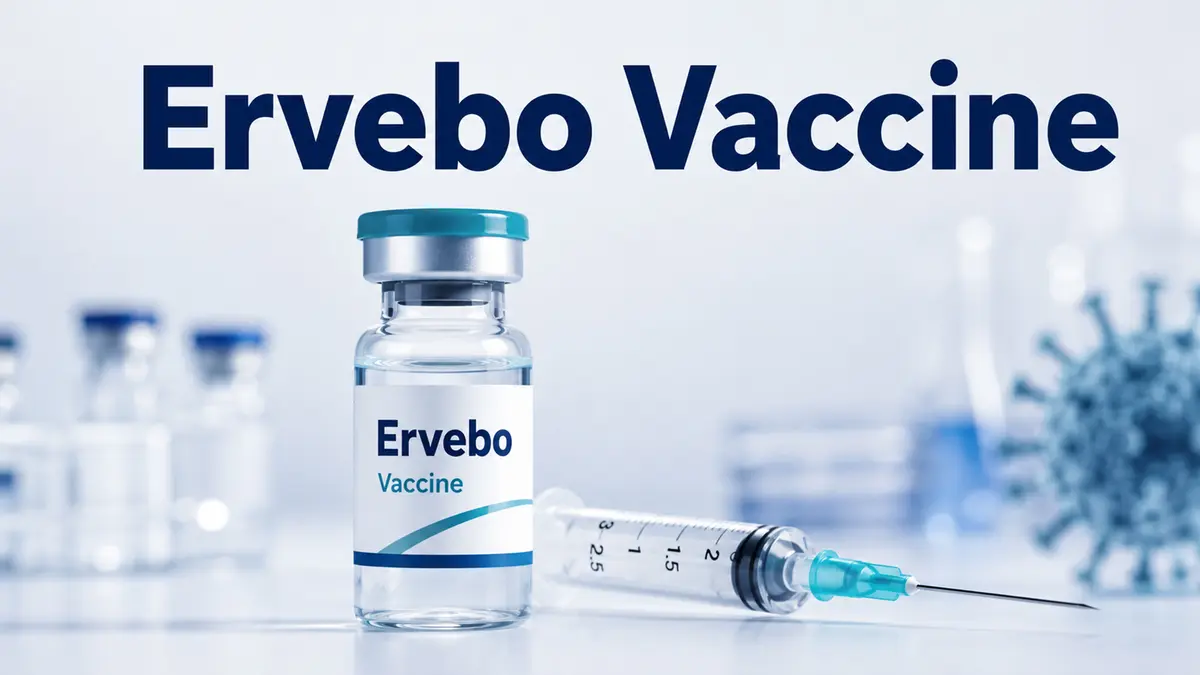
The Democratic Republic of the Congo will receive 70,000 doses of the Ervebo Ebola vaccine. The World Health Organization and Africa Centres for Disease Control and Prevention announced the allocation on 20 August 2026. It supports the response to an outbreak caused by Bundibugyo virus. However, Ervebo is licensed against Ebola virus disease caused by Zaire ebolavirus. Protection against Bundibugyo virus remains unproven in people. The allocation therefore combines controlled research with carefully supervised protection for highly exposed workers.
How the allocation will be used
The International Coordinating Group manages the emergency vaccine stockpile. Its partners include the World Health Organization and United Nations Children’s Fund (UNICEF). Médecins Sans Frontières also participates. The International Federation of Red Cross and Red Crescent Societies completes the group. Gavi, the Vaccine Alliance, finances the stockpile. The group approved 20,000 trial doses. Another 50,000 doses will support frontline and health workers.
Use among workers follows recommendations from the Strategic Advisory Group of Experts on Immunization. Recipients need clear information about the uncertain cross-protection. Their consent and safety monitoring are essential. The trial will provide stronger evidence about effectiveness against Bundibugyo virus. The wider worker programme addresses immediate occupational danger during the outbreak.
What Ervebo is designed to do
Ervebo is a single-dose vaccine containing a weakened recombinant vesicular stomatitis virus. Scientists modified that virus to carry a surface protein from Zaire ebolavirus. The immune system learns to recognise the protein. Ervebo has shown strong protection against disease caused by Zaire ebolavirus. It is not a general vaccine against every ebolavirus species.
Bundibugyo virus is related to Zaire ebolavirus, but it is biologically distinct. Laboratory and animal findings suggest possible cross-protection from Ervebo. Those findings cannot prove protection in humans. The present response must therefore preserve that distinction. Describing the vaccine as established protection against Bundibugyo disease would be inaccurate.
Why the disease is dangerous
Ebolavirus disease can begin with fever, weakness, muscle pain and headache. Vomiting, diarrhoea and bleeding may follow in some patients. Infection spreads through direct contact with infected body fluids or contaminated materials. Safe care, rapid diagnosis and contact tracing are crucial. Health workers face particular danger without strong infection-control procedures.
A vaccine cannot replace the rest of the response. Treatment centres need protective equipment, trained staff and dependable laboratory support. Communities need respectful information about symptoms and safe burial practices. Survivors also require follow-up care. Trust matters because delayed reporting allows transmission chains to grow.
Geography of the outbreak
The Democratic Republic of the Congo occupies a vast area in Central Africa. Its eastern and north-eastern provinces meet Uganda, South Sudan, Rwanda and Burundi. Recent cases span areas including Ituri, the Kivu provinces and Haut-Uélé. Forests, mountains and damaged roads complicate access. Armed insecurity also disrupts health services and population tracking.
Cross-border movement makes regional coordination necessary. Families, traders and displaced communities regularly move across the eastern frontiers. Neighbouring countries need surveillance at health facilities and transport routes. This does not justify closing borders without evidence. It supports shared alerts, laboratory cooperation and safe referral systems.
What the trial must establish
A Phase 3 trial examines whether vaccination lowers disease risk under real conditions. Researchers must define eligible groups and compare outcomes fairly. They must record adverse events and monitor exposure. Outbreak trials are difficult because case numbers and locations change quickly. Ethical design must still protect participants and affected communities.
Useful evidence should answer more than one question. It should estimate protection, duration and performance among different groups. Researchers must also distinguish vaccination from other response improvements. Transparent results can guide future stockpile decisions. Negative or uncertain findings would remain important for developing better multivalent vaccines.
The central qualification
Ervebo is proven against Zaire ebolavirus, not Bundibugyo virus. Its present use follows emerging evidence and expert advice. The 20,000-dose trial exists because human effectiveness remains uncertain. Every public description should retain that limit.
Conclusion
The allocation provides an immediate response while building urgently needed evidence. It prioritises exposed workers and places a large share within a controlled trial. That balance is reasonable when danger is high but protection remains uncertain. Success will depend on consent, surveillance and complete outbreak control. Clear communication must prevent an experimental extension from being presented as settled vaccine effectiveness.