

Why in news?
On 22 May 2026 India and Ethiopia signed a bilateral protocol in Geneva supporting Ethiopia’s accession to the World Trade Organization (WTO). Ethiopia has been negotiating membership since 2003, and this agreement signals closer economic ties between the two countries and progress in Ethiopia’s accession process.
Background
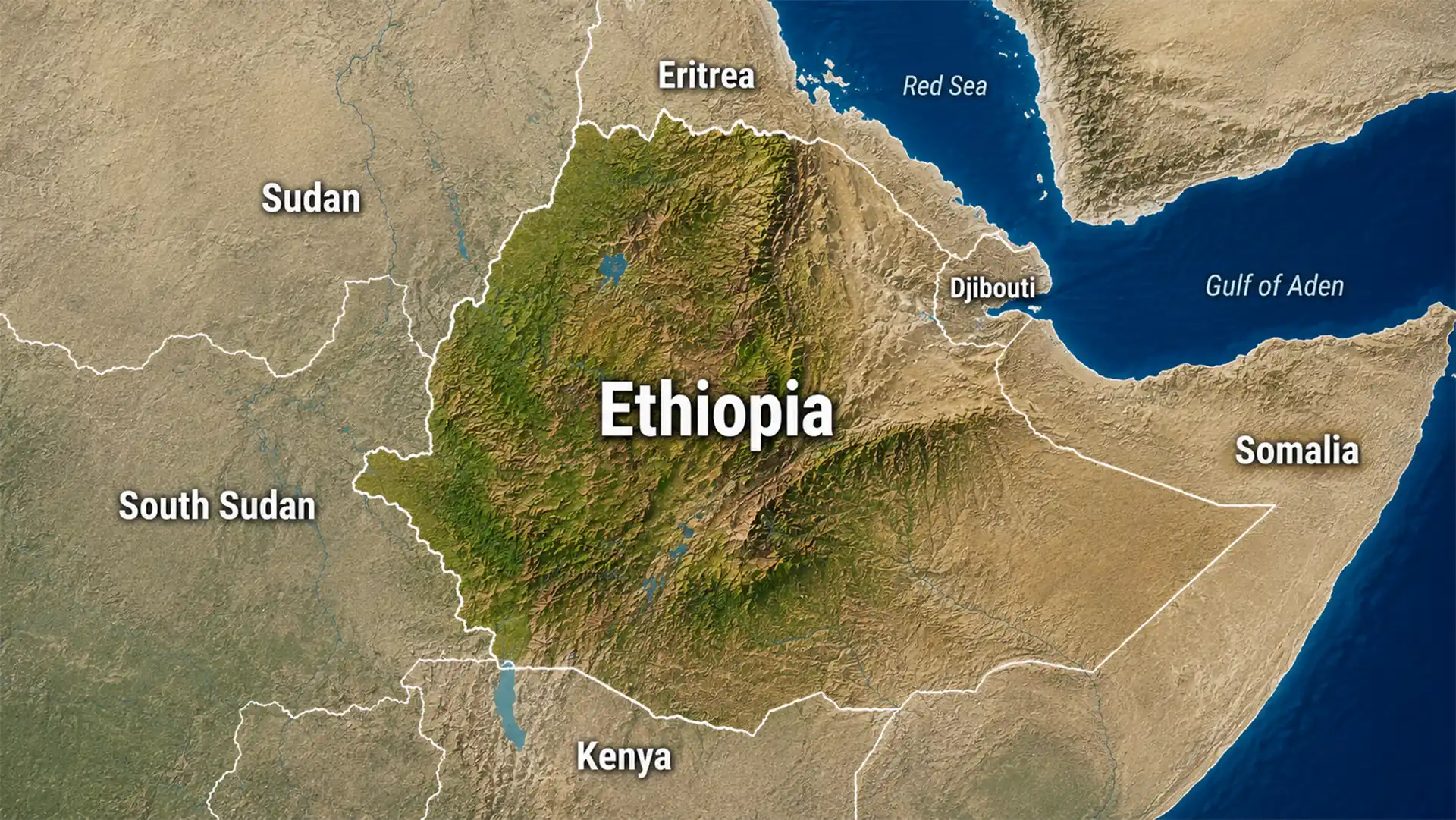
Ethiopia, officially the Federal Democratic Republic of Ethiopia, is a landlocked nation in the Horn of Africa. Its capital, Addis Ababa, lies in the Ethiopian Highlands at about 2,350 metres above sea level. The country has a population of over 110 million and covers around 1.1 million square kilometres. Historically it is one of Africa’s oldest states – the ancient kingdom of Aksum flourished between the 1st and 7th centuries CE and adopted Christianity early. In 1896 Ethiopia defeated Italy at the Battle of Adwa, maintaining its independence when much of Africa was colonised. Italian forces occupied the country from 1936 until 1941, after which Emperor Haile Selassie returned to power. Modern Ethiopia is a federal republic with diverse ethnic groups and languages, and agriculture remains the backbone of its economy. Coffee is one of its most important exports.
Ethiopia applied to join the WTO in 2003 and has since undertaken economic reforms to align domestic laws with international trade norms. Joining the WTO would integrate the country into the multilateral trading system, enhance investor confidence and improve market access for Ethiopian goods and services. India, already Ethiopia’s second‑largest trading partner, supports this process. During Prime Minister Narendra Modi’s visit in December 2025 the two nations elevated their relationship to a strategic partnership.
Key points about Ethiopia’s accession
- Long negotiating process: Ethiopia’s working party on accession has met multiple times since 2003 to review legislation on trade, investment and intellectual property.
- Domestic reforms: The government is liberalising sectors such as telecommunications and finance, reducing state monopolies and modernising customs procedures.
- Benefits of membership: WTO accession promises better access to foreign markets, diversified exports, fair dispute settlement and a more predictable business environment.
- India’s role: India offers technical assistance and invests in agriculture, power and education in Ethiopia. Bilateral trade includes Indian exports of iron and steel, machinery and pharmaceuticals and imports of pulses and coffee.
Conclusion
Ethiopia’s WTO bid reflects its ambition to integrate with the global economy while balancing domestic development needs. India’s support underscores South–South cooperation and the potential for enhanced trade, investment and cultural exchanges.