

Why in news?
An Indian start‑up, Eon Spacelabs, unveiled Lumira_E40I50, a light‑weight thermal imaging payload for drones. The system replaces expensive and rare germanium lenses with chalcogenide glass and uses artificial intelligence (AI) to detect people and vehicles at long distances. It is touted as India’s first indigenous germanium‑free thermal imaging system for defence and disaster management applications.
Background
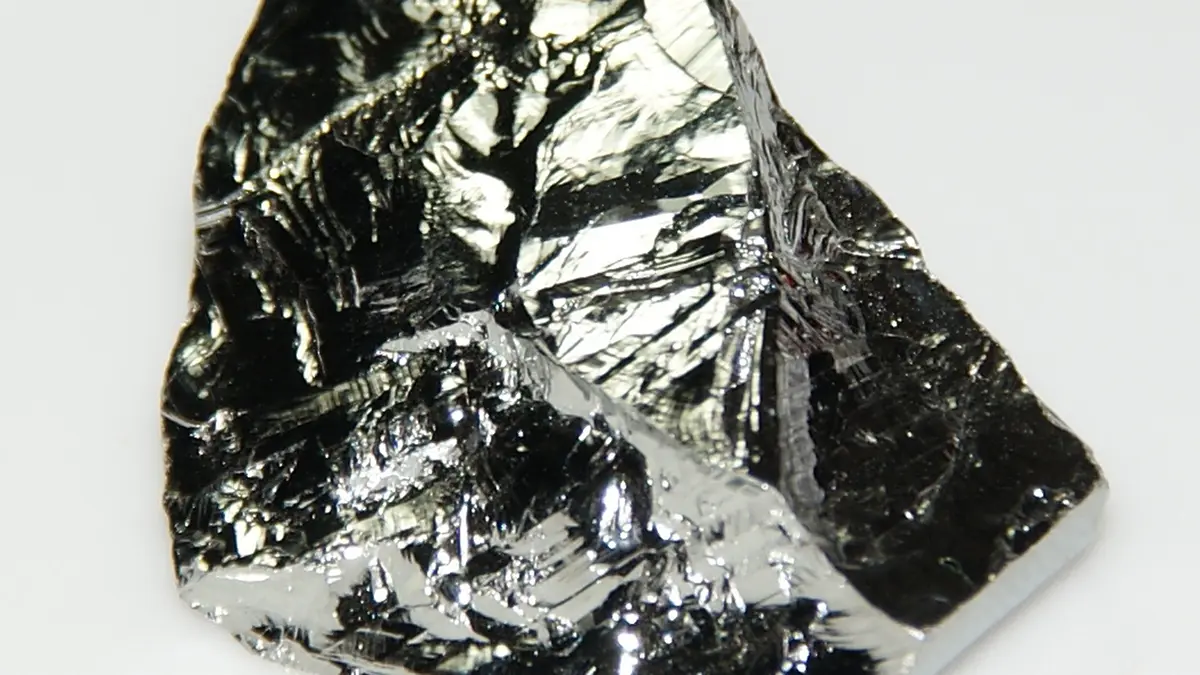
Germanium is a brittle, greyish metal that does not occur freely in nature. It is extracted mainly as a by‑product of zinc and coal processing. Both germanium and its oxide transmit heat radiation and are widely used in infrared optics for night‑vision devices, thermal cameras and fibre optics. The majority of the world’s supply comes from China. Global prices have risen in recent years and export restrictions have made supplies uncertain. Chalcogenide glass, a class of glass containing sulphur or selenium, can also transmit long‑wave infrared radiation and is cheaper to manufacture.
Key points
- Home‑grown technology: Lumira’s optical system is made of chalcogenide glass rather than germanium. This change reduces dependence on imported germanium and lowers costs.
- A‑thermal design: The payload has an a‑thermalised lens assembly that stays in focus even when temperatures vary. This allows clear images without manual refocusing.
- AI‑based detection: The device combines a high‑zoom visible camera and long‑wave infrared sensors. Edge‑based AI algorithms analyse spatial and temporal patterns, so the system can distinguish a human body from hot rocks and spot people at about two kilometres away and vehicles at up to eight kilometres.
- Light weight: Different models weigh between 800 g and 2.2 kg and can be mounted on small drones. This makes the system suitable for surveillance, search‑and‑rescue, border patrol and industrial inspections.
- Strategic importance: With China dominating global germanium production, developing a germanium‑free optical payload helps India reduce supply‑chain vulnerabilities and supports the government’s push for defence self‑reliance.
Significance
The new payload shows that India’s private sector can develop advanced electro‑optical technologies. By using chalcogenide glass and sophisticated AI, the system provides military‑grade capabilities while reducing reliance on critical imports. The innovation could also be adapted for civilian uses like firefighting, disaster relief, wildlife monitoring and industrial safety, offering a sustainable alternative to traditional germanium‑based optics.
Sources: BT