

Why in news?
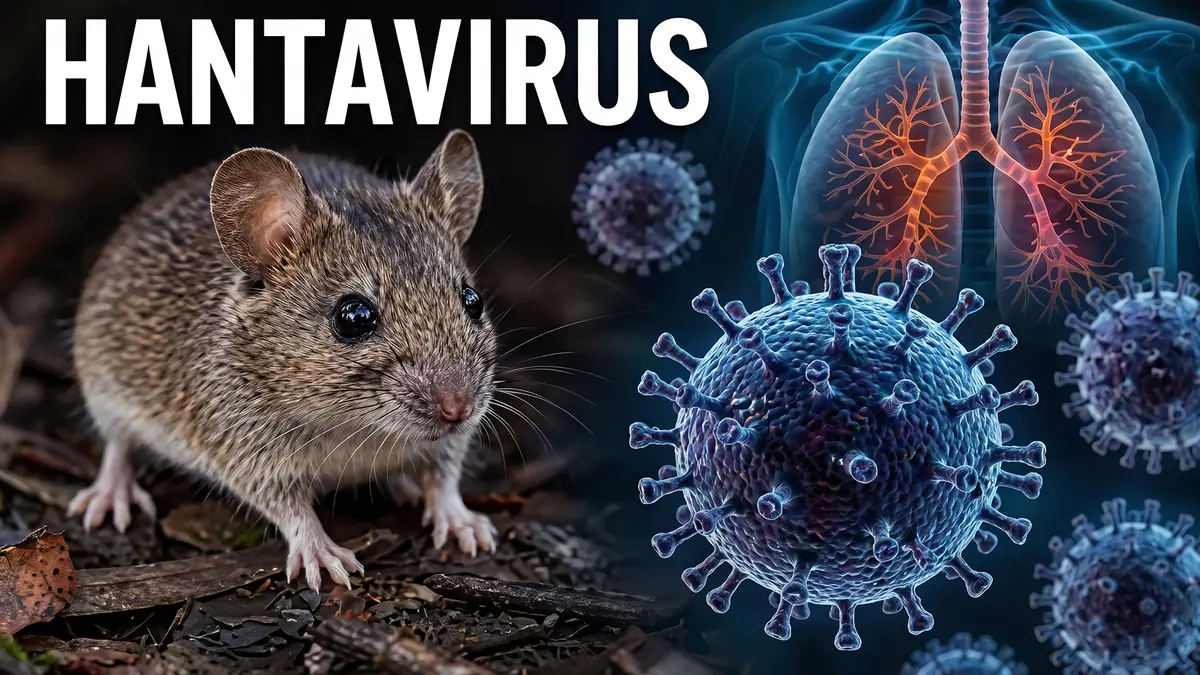
Recent reports of deaths aboard a cruise ship raised concerns about hantavirus. It is a rare but serious illness caused by viruses carried by rodents.
Background
Hantavirus infections are transmitted to humans when they inhale tiny particles from the urine, droppings or saliva of infected rodents. Unlike many viral diseases, it is not spread from person to person.
- Clinical forms: two main syndromes occur – Hantavirus Pulmonary Syndrome (HPS) and haemorrhagic fever with renal syndrome (HFRS). HPS causes severe respiratory distress, while HFRS leads to bleeding and kidney problems.
- Symptoms: early signs include fever, fatigue, muscle aches, headache, nausea and abdominal pain. As the illness progresses, patients may develop cough and fluid accumulation in the lungs, leading to breathing difficulty.
- Fatality and treatment: the fatality rate of HPS can be about 40 percent. There is no specific antiviral treatment; care focuses on supportive management in hospital intensive‑care units.
- Prevention: avoid contact with rodent droppings by sealing homes, keeping food covered, maintaining cleanliness and using protective equipment when cleaning. Good sanitation in residential and workplace areas reduces the risk.
Although hantavirus infections are rare, they can be deadly. Awareness about rodent control and early medical attention can greatly improve outcomes.
Prelims MCQ Practice
Evaluate Your Retention
Assess your readiness with 4 high-yield multiple-choice questions on this article.
Mark your answers, submit, and see the key with explanations. Answers count only toward anonymous totals — nothing is linked to you, and it resets when you close this tab.
Your result
0 / 4
Only anonymous totals are kept — nothing is linked to you. This resets when the tab closes.
With reference to hantavirus infection, consider the following statements:
Which of the statements given above is/are correct?
The two main clinical syndromes caused by hantaviruses are:
With regard to the treatment of hantavirus infection, which one of the following is correct?
The most effective preventive measure against hantavirus is: