

Why in news?
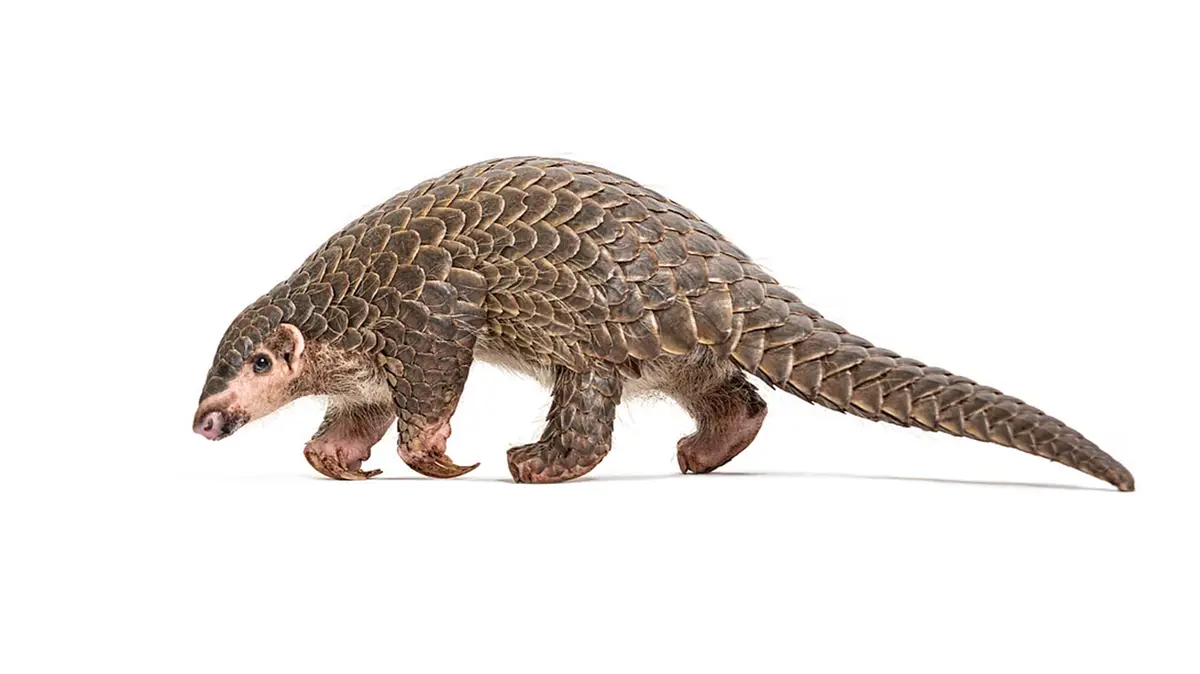
Scientists recently used historic DNA and modern genomic tools to confirm that the Himalayan pangolin (Manis aurita) is a separate species and not a subspecies of the Chinese pangolin. The findings were published in early July 2026, prompting calls to strengthen legal protection for this elusive mammal.
Background
The pangolins are shy, scale‑covered mammals hunted for their meat and scales. For decades, researchers thought the Himalayan pangolin was simply a high‑altitude form of the Chinese pangolin. In 2023, scientists extracted DNA from a 19th‑century specimen collected in Nepal and compared it with samples from modern animals. Their analysis showed that the Himalayan pangolin diverged from the Chinese pangolin about 1.8 million years ago during Pleistocene climate oscillations. During the Little Ice Age of the 14th century the species experienced a population bottleneck, making the current population small and fragmented.
Key findings of the study
- Morphological differences: The Himalayan pangolin has a longer body and tail (about 95 cm on average) compared with the Chinese pangolin’s 71 cm. It also has a larger skull, smaller ears and broader nasal bones.
- Restricted range: Its natural habitat is the foothills of the southern Himalayas in Nepal, south‑eastern Tibet and north‑east India. It does not overlap with the range of the Chinese pangolin.
- Genomic distinctness: DNA markers show the two species separated around 1.8 million years ago. Climatic fluctuations prevented them from interbreeding.
- Conservation status: Illegal wildlife trade remains the biggest threat. Inbreeding within small populations further endangers the species, prompting scientists to urge its listing under Appendix I of the Convention on International Trade in Endangered Species (CITES).
Significance
The revalidation helps conservationists to properly monitor trafficking of pangolin scales, because forensic DNA can now identify whether seized material comes from the Himalayan or Chinese species. Recognising the Himalayan pangolin as a separate species may also attract targeted funding for habitat protection in the fragile Himalayan foothills.
Conclusion
The discovery underscores how modern genomics can untangle long‑standing taxonomic puzzles. Protecting the Himalayan pangolin will require stricter enforcement against poaching, habitat conservation and international cooperation to curb the illegal wildlife trade.