

Why in news?
On 30 June 2026 tribals in Jharkhand and neighbouring states observed Hul Diwas, the anniversary of the Santhal uprising of 1855. The day honours the courage of the Santhal people who rose against oppressive zamindars and British officials and demanded justice.
Background
The Santhal people are an indigenous community in eastern India. In the early 1850s thousands of Santhal families were resettled in Damin‑i‑Koh (now Santhal Pargana) to clear forests and cultivate land. Promised autonomy, they instead faced heavy taxes, forced labour and exploitation by landlords, moneylenders and the East India Company. Resentment grew rapidly.
The uprising
- Start of the rebellion: On 30 June 1855 more than 10,000 Santhals assembled at Bhognadih (Jharkhand), declared independence from British rule and vowed to fight oppression.
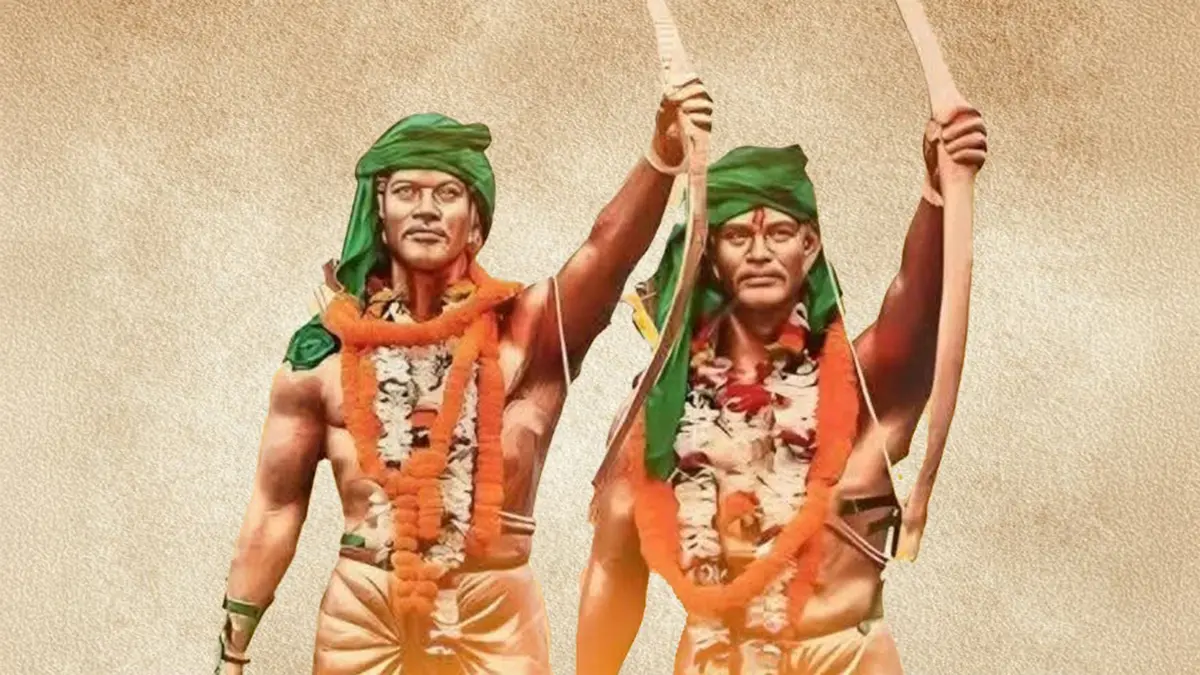
- Leaders: Four Murmu brothers—Sidhu, Kanhu, Chand and Bhairav—led around 60,000 armed men and women armed with bows, arrows and axes.
- Course of the revolt: For nearly six months Santhal fighters targeted revenue offices and symbols of British authority. The uprising spread across present‑day Jharkhand and West Bengal before British troops, aided by loyal landlords, crushed it by January 1856. Over 15,000 Santhals were killed and around 10,000 villages destroyed.
- Aftermath: Sidhu was executed in August 1855 and Kanhu in early 1856. The scale of the rebellion forced colonial authorities to reorganise the region. In 1876 the Santhal Pargana Tenancy Act was enacted, prohibiting the transfer of tribal land to non‑tribals.
Importance
- Early mass uprising: The Hul was one of the largest tribal rebellions against British rule in India. It predated the better‑known Sepoy Mutiny of 1857.
- Land rights: The revolt highlighted tribal struggles over land and led to special tenancy laws protecting Santhal land holdings.
- Cultural memory: Commemorations of Hul Diwas celebrate indigenous resistance and inspire movements for social justice and tribal rights today.
Conclusion
Hul Diwas reminds us of the bravery of the Santhals who fought injustice with limited resources. Their sacrifice forced colonial authorities to recognise tribal rights and continues to inspire struggles for land and dignity. Remembering this history encourages inclusive development and respect for indigenous communities.