

Why in news?
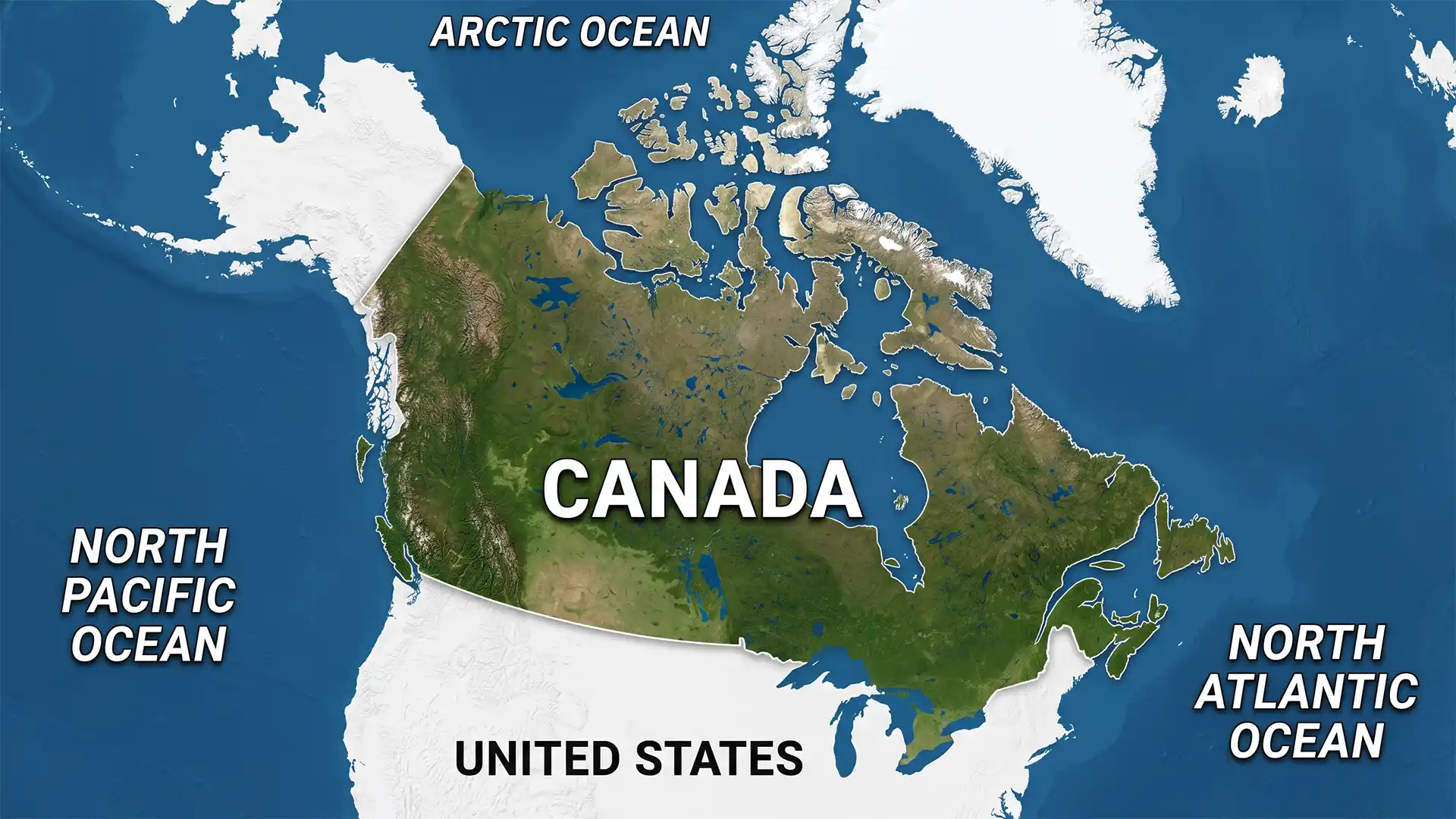
India’s Commerce and Industry Minister Piyush Goyal visited Canada from 25 to 27 May 2026, leading the largest-ever Indian business delegation to Canada, with industry leaders from over 100 companies. The visit covered Ottawa on 25 May and Toronto from 26 to 27 May, and focused on reviving bilateral economic ties and advancing the India-Canada Comprehensive Economic Partnership Agreement (CEPA).
Background
According to the Press Information Bureau, CEPA negotiations moved forward after the Terms of Reference were signed in March 2025. The first virtual round was held in March 2026, the second round concluded on 8 May 2026, and technical negotiations were held in Ottawa from 25 to 29 May 2026 alongside the ministerial visit. Bilateral trade currently stands at about USD 8.5 billion, and both governments have set a target of expanding it to USD 50 billion by 2030.
Highlights of the visit
- Largest delegation: The delegation included industry leaders from sectors such as energy, mining, automotive goods, pharmaceuticals, telecommunications, artificial intelligence, leather and textiles.
- High-level meetings: Shri Goyal met Canadian Prime Minister Mark Carney, International Trade Minister Maninder Sidhu, Agriculture Minister Heath MacDonald and Foreign Minister Anita Anand.
- CEPA negotiations: India and Canada reaffirmed their intent to conclude a balanced and mutually beneficial CEPA by the end of 2026, with technical-level talks continuing from 25 to 29 May 2026.
- Sectoral cooperation: Discussions covered trade, investment, technology, agriculture, food security, agri-tech, renewable energy, logistics, digital infrastructure and consumer sectors.
Significance
- Trade diversification: Closer ties with Canada can give India access to natural resources, advanced technologies and new commercial partnerships.
- Investment and jobs: Bilateral investment can support employment and business opportunities in both countries, especially in clean energy, infrastructure, technology and agri-food.
- Diplomatic reset: The high-level visit signalled a willingness to rebuild economic engagement after a period of strained relations.
Conclusion
The May 2026 trade mission showed renewed momentum in India-Canada economic relations. Its success will depend on sustained negotiations, implementation of business commitments and whether both sides can conclude a balanced CEPA within the stated 2026 timeline.