
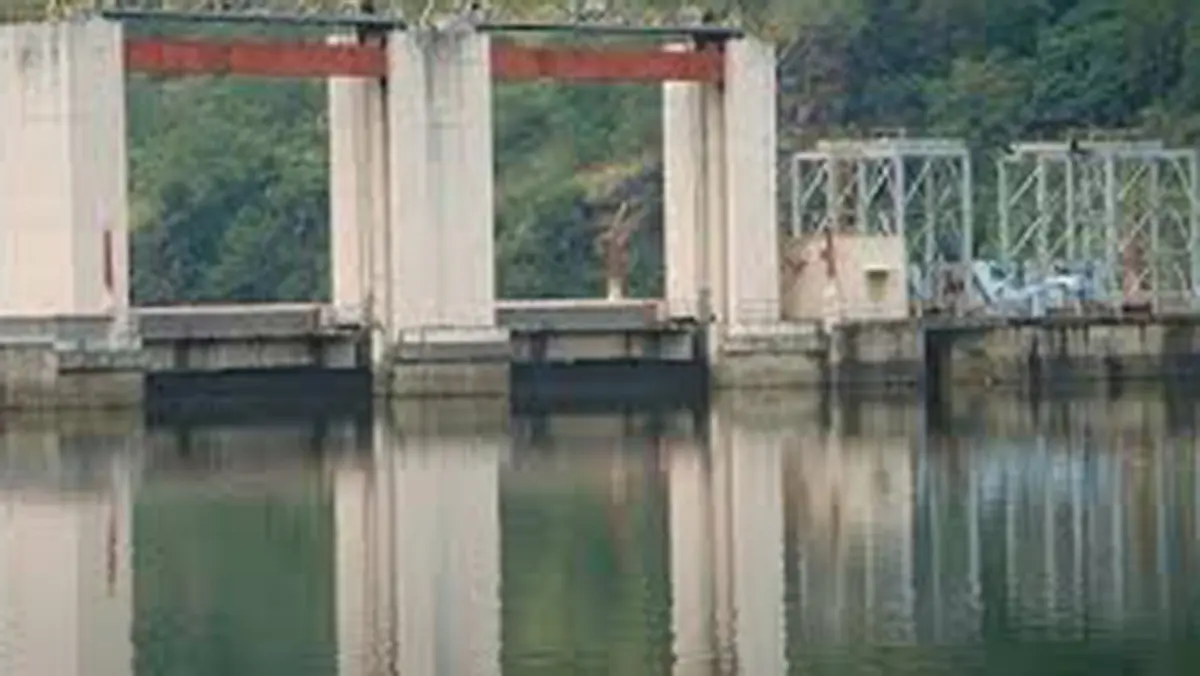
Why in news?
Reports in June 2026 revealed that the Kadamparai pumped storage hydroelectric plant in Tamil Nadu is operating at just a quarter of its installed capacity because three of its four units have deteriorated beyond their design life. Engineers have warned that without timely refurbishment the plant’s ability to balance the state’s renewable‑rich power grid will be compromised.
Background
The Kadamparai plant, located in Coimbatore district in the Western Ghats, was commissioned in stages between 1984 and 1987. It was one of India’s earliest pumped storage facilities and has an installed capacity of 400 MW, divided into four reversible units of 100 MW each. During off‑peak hours surplus electricity is used to pump water from the lower Aliyar reservoir up to the upper Kadamparai dam. When demand peaks, the stored water is released back through turbines to generate electricity. The upper reservoir can store about 1,080 million cubic feet (mcft) of water and the lower reservoir about 937 mcft. Each unit consumes around 4 mcft of water to generate 100 MW of power.
Current challenges
- Ageing equipment: After nearly four decades of operation, turbine blades, control systems and electrical components have degraded. Only one unit is presently functional; the others suffer from frequent breakdowns.
- Spare parts: The plant was built with technology from an English company and Bharat Heavy Electricals Limited. Many original spare parts are no longer manufactured, making repairs difficult.
- Grid stability: Tamil Nadu has a high share of wind and solar power, which fluctuate throughout the day. Pumped storage plants provide rapid balancing by absorbing excess energy and releasing it when needed. Reduced availability of Kadamparai therefore strains the grid.
- Modernisation plans: Officials have proposed refurbishment and possibly outsourcing some maintenance to private contractors. New pumped storage projects are also planned to meet growing demand.
Conclusion
Kadamparai’s plight highlights the importance of timely maintenance for energy infrastructure. As India integrates more renewable energy, pumped storage plants will be indispensable for grid stability. Investing in upgrades, local manufacturing of spare parts and new storage projects can ensure that surplus renewable energy does not go to waste.