

Why in news?
The UN‑Habitat World Cities Report 2026, released on 19 May 2026, cited the plight of Karnataka’s Koraga community to illustrate housing inequality in India. It noted that entrenched caste barriers and policy gaps prevent many tribal families from accessing secure housing despite affirmative policies.
Background
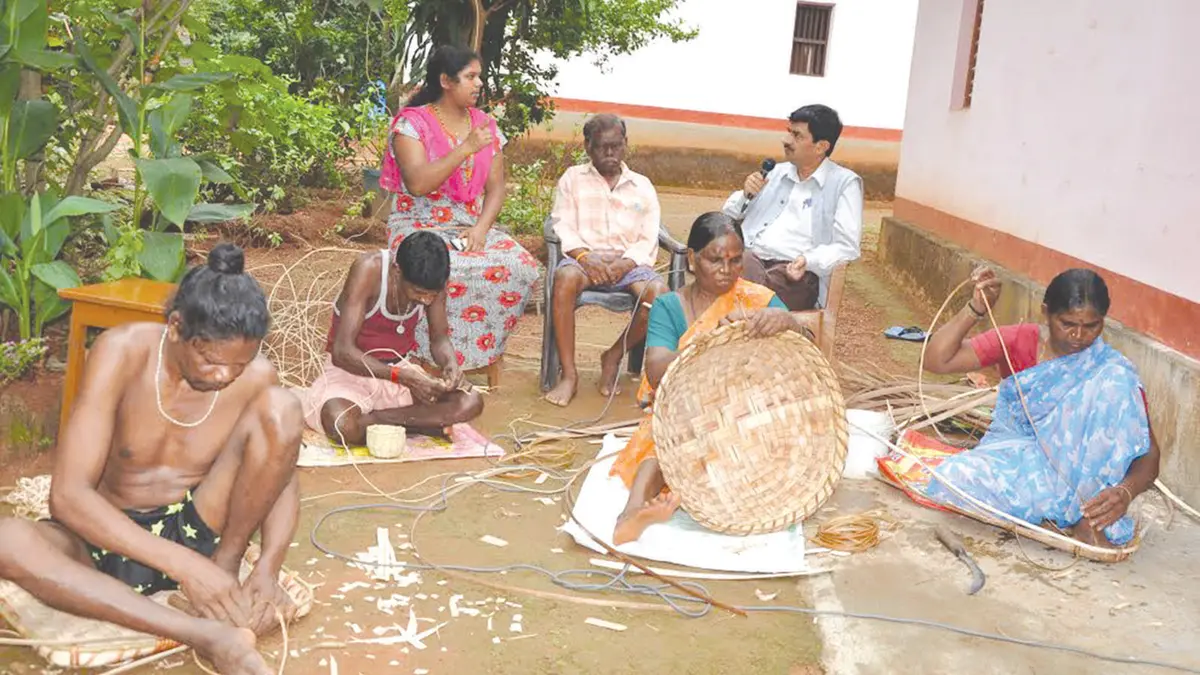
The Koraga are a small tribal community living mainly in Dakshina Kannada and Udupi districts of Karnataka and in Kerala’s Kasaragod district. According to research by Kerala’s tribal development institute, their population in Kerala was 1,582 in the 2011 census. Koragas were once treated as agrestic slaves and sold along with land. Their traditional occupation is basket weaving, and they speak a language related to Tulu. Historically, upper‑caste Hindus forced them to perform the demeaning Ajalu ritual, where they ate leftover food mixed with hair and nails to “ward off” misfortune. The Karnataka Koragas (Prohibition of Ajalu Practice) Act, 2000, outlawed this practice after decades of activism.
Housing and discrimination
- Particularly Vulnerable Tribal Group (PVTG): The Koraga are recognised as a PVTG, meaning they have small populations, are geographically isolated and have low literacy. PVTGs often lack access to education, healthcare and basic services.
- Barriers to housing: The UN report noted that many Dalit and Muslim families face discrimination when renting or buying homes. For Koragas, low literacy, poverty and caste prejudice make government housing schemes hard to access.
- Success stories: A community‑led programme titled “Restoration of Dignity and Human Rights of Indigenous Tribal Community in Karnataka”, run by ActionAid India, the Koraga Federation and Samagra Grameena Ashram, has helped secure land and housing grants for thousands of Koraga families. It has improved nutrition, education and women’s leadership within the community.
Significance
- Highlighting inequality: The UN‑Habitat report used the Koraga example to show that housing inequality persists even when laws prohibit caste discrimination. Addressing such gaps requires targeted outreach and awareness.
- Human rights: Ensuring that PVTGs like the Koraga have secure homes is essential for their dignity, health and education. Programmes that combine land rights with social empowerment can break cycles of exclusion.
- Policy reform: Advocates call for simplified procedures for tribal communities to access housing schemes, better monitoring to prevent misuse of funds and stronger enforcement of anti‑discrimination laws.
Conclusion
The challenges faced by the Koraga tribe remind us that legislation alone cannot eliminate caste‑based exclusion. Grassroots organisations, supportive policy frameworks and societal change are needed to ensure that vulnerable communities can secure decent housing and live with dignity.