

Why in news?
Kerala reported continued concern over deaths linked with leptospirosis. Cases commonly rise during heavy rain and flooding. Delayed recognition can allow severe organ damage. Health agencies emphasised prevention, early diagnosis and prompt treatment.
Background
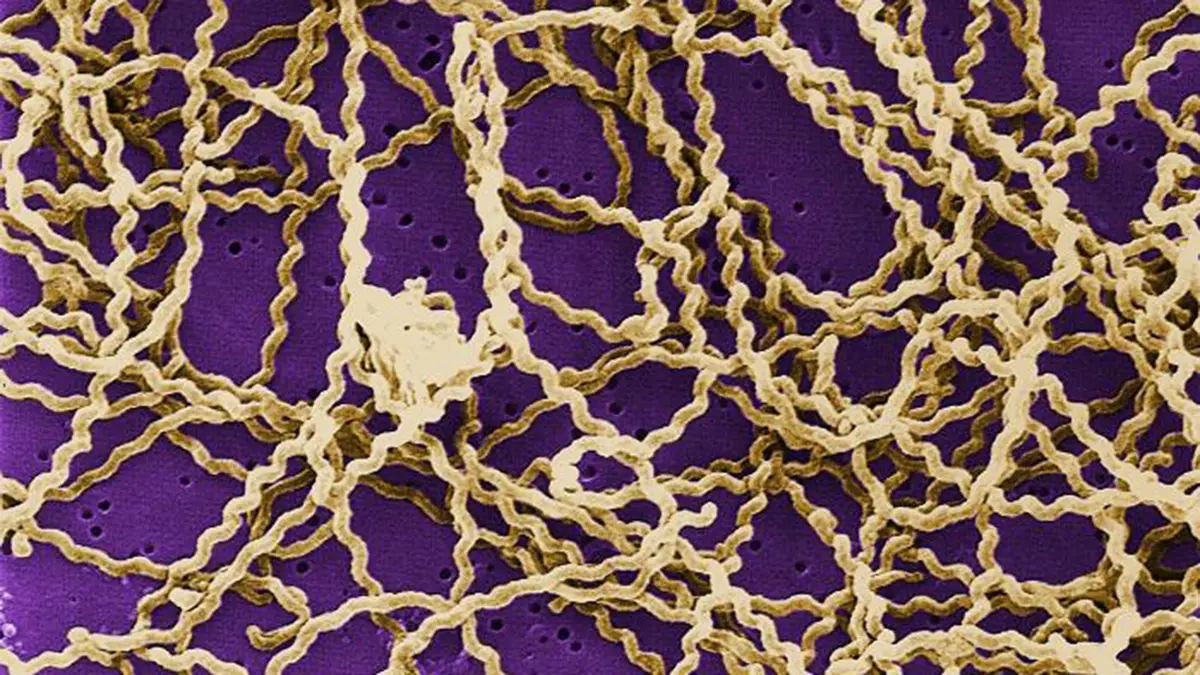
Leptospirosis is caused by pathogenic Leptospira bacteria; it affects humans and many other mammals. Kerala has documented recurring outbreaks since the late 1980s.
Infected animals release bacteria through urine. Rodents are important reservoirs, but cattle, pigs, dogs and other mammals can also carry infection. Water and wet soil then spread the organism within the environment.
Bacteria enter through cuts, abrasions or mucous membranes. Flood water increases exposure among residents, sanitation workers, farmers and rescue personnel. Person-to-person transmission is possible but very uncommon.
Symptoms and disease progression
Illness may begin between two and thirty days after exposure. Early symptoms include fever, headache, muscle pain, vomiting and red eyes. These signs can resemble dengue, influenza or other monsoon infections.
Some patients recover early; others develop jaundice, kidney injury, meningitis or bleeding. Severe lung involvement can progress rapidly and carries a high risk of death.
Doctors consider exposure history alongside symptoms and laboratory findings. Treatment may begin before final confirmation when clinical suspicion is strong. Early antibiotics generally improve outcomes, while severe illness requires hospital care.
Why Kerala remains vulnerable
Kerala's monsoon creates wet environments; flooding mixes surface water with sewage, animal urine and waste. Dense settlements increase the number of people encountering contaminated water.
Waste accumulation can support rodent populations. Agricultural and sanitation work creates repeated skin exposure. Diabetes, kidney disease or delayed care may worsen outcomes among vulnerable patients.
Surveillance figures also require careful interpretation. Reports may separate laboratory-confirmed and clinically suspected cases. Death totals can change after medical audit, while publication dates may describe different cut-off periods.
Prevention and public-health response
- People should avoid unnecessary contact with flood water and contaminated mud.
- Waterproof footwear and gloves reduce occupational exposure when used correctly.
- Cuts should be covered before unavoidable work in wet environments.
- Safe drinking water, drainage and waste control reduce environmental transmission.
- Early medical assessment is important after risky exposure and compatible symptoms.
Doxycycline may be used for selected high-risk groups under official guidance. It should not be taken casually or without medical advice. Prophylaxis cannot replace protective equipment, sanitation or early clinical care.
The National Centre for Disease Control runs a dedicated prevention programme. It supports surveillance, laboratories, training and pre-monsoon preparedness across affected districts. Kerala is among the states receiving strengthened laboratory support.
A One Health problem
Leptospirosis links human health with animals and the environment; hospitals alone cannot control it. Veterinary surveillance, municipal sanitation and water management must work together.
“Rat fever” can mislead because it highlights rodents while hiding other animal reservoirs and environmental routes. Accurate risk communication should therefore use the medical name and explain transmission clearly.
Diagnosis, surveillance and health-system readiness
Laboratory confirmation depends upon illness stage, with molecular tests helping early and antibody tests later. A negative early result may therefore need clinical reassessment as the immune response develops.
Hospitals should record exposure, occupation and symptom onset, distinguishing infections linked with floods, farms or sanitation. Cluster mapping can identify contaminated environments, while death reviews reveal delays in referral or treatment.
Health workers need pre-monsoon refresher training, and flood-prone districts require early stocks of antibiotics and diagnostic supplies. Referral transport should remain available during disruption, while public messages explain warning signs calmly.
Climate adaptation can reduce future risk because better drains limit contaminated water after heavy rain. Safe waste storage and animal management also prevent several other water-related and vector-borne illnesses.
Conclusion
Kerala's leptospirosis burden reflects climate, exposure and delayed diagnosis. Coordinated prevention and rapid treatment can substantially reduce avoidable deaths.