

Why in news?
Matcha tea has gained global popularity for its vibrant colour and claimed health benefits. Understanding its origins and how it is produced helps consumers appreciate this ancient beverage.
Background
Matcha is a powdered green tea made from the leaves of the Camellia sinensis plant. The practice of grinding tea leaves began in China during the Tang dynasty (7th-10th century). Japanese monk Myoan Eisai introduced it to Japan around 1191. Zen monks adopted matcha for meditation, and the samurai later embraced it. Over centuries it became an integral part of the Japanese tea ceremony. Today matcha is produced mainly in Japan but also in China and Taiwan.
How matcha is made
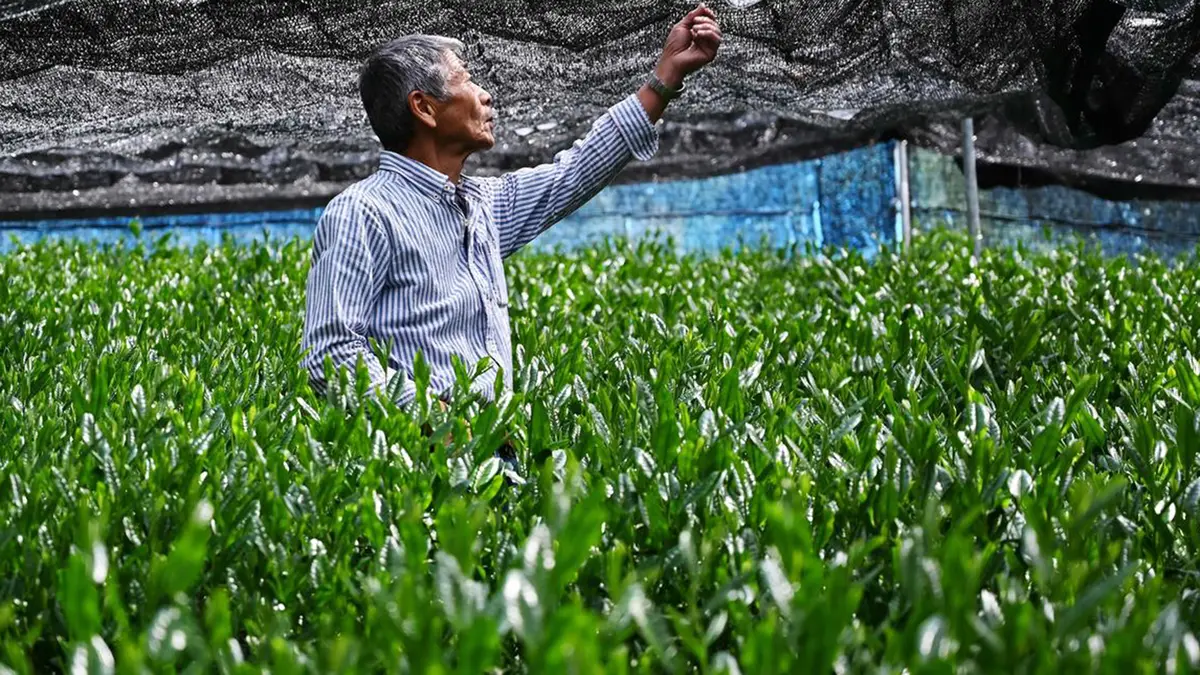
- Shading: Tea bushes are covered with mats for about three weeks before harvest. Reduced sunlight increases chlorophyll and amino acids like L‑theanine, giving matcha its bright green colour and mellow taste.
- Harvesting: Workers pluck only the youngest leaves. The leaves are steamed to stop oxidation, then dried and destemmed to produce a product called tencha.
- Grinding: Tencha is slowly ground on stone mills into a fine powder. This powder is matcha. It must be stored carefully to preserve its flavour and colour.
- Grades: Ceremonial‑grade matcha is made from the highest quality leaves and is whisked with hot water for drinking. Culinary matcha uses slightly older leaves and is suitable for cooking and beverages.
Health and consumption
- Caffeine and L‑theanine: Because the whole leaf is consumed, matcha contains more caffeine (around 38‑89 mg per 240 ml) than ordinary green tea. L‑theanine balances the stimulant effect and may promote calm alertness.
- Antioxidants: Matcha is rich in catechins such as epigallocatechin gallate (EGCG). These compounds help neutralise free radicals and may support heart and liver health.
- Brain function: Some studies suggest that matcha’s combination of caffeine and L‑theanine can improve attention and memory in the short term.
- Preparation: Traditional preparation involves whisking the powder with hot (not boiling) water using a bamboo whisk. Modern recipes use matcha in smoothies, lattes and desserts.
- Moderation: Like all caffeinated drinks, matcha should be consumed in moderation. Too much caffeine can cause insomnia or palpitations.
Conclusion
Matcha tea blends centuries of tradition with modern health awareness. Its unique production method and nutrient content make it more than a trendy drink. Enjoying matcha thoughtfully can provide a gentle energy boost and a taste of Japanese culture.