

Why in news?
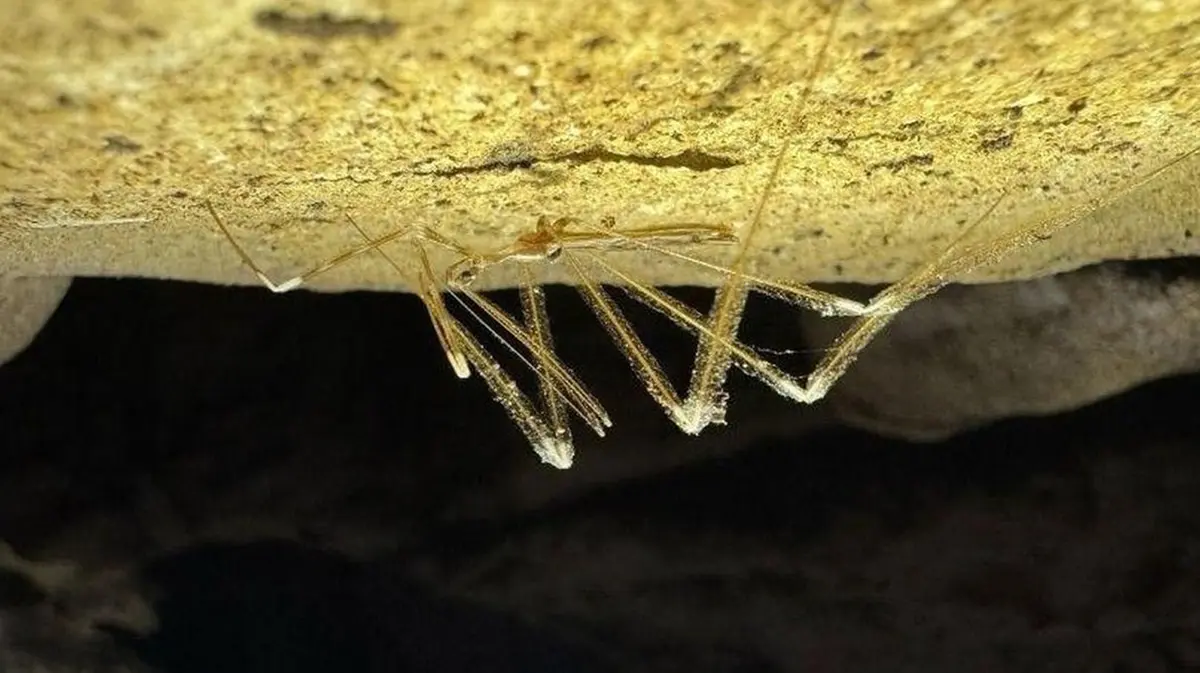
Scientists exploring limestone caves in the Andaman Islands identified specimens of a slender insect as Myiophanes kempi, a species of thread‑legged assassin bug last seen a century ago in Meghalaya’s Siju cave. The rediscovery, announced in March 2026, hints at the hidden diversity of India’s subterranean ecosystems.
Background
Thread‑legged assassin bugs belong to the family Reduviidae. They have extremely thin bodies and long, stick‑like legs, which allow them to creep through cracks and capture prey in confined spaces. British entomologist William Edward China first described Myiophanes kempi in 1924 from a cave in the Khasi Hills of Meghalaya. For a century no additional sightings were recorded, and the species was presumed lost.
Rediscovery details
- Cave habitat: The Andaman specimens were collected in 2019 from dark, humid limestone caves. Such caves provide stable temperatures and humidity, supporting specialised organisms.
- Identification: Researchers carefully examined the insects’ wing venation and prothorax structure, confirming they belonged to the genus Myiophanes. The species is distinguished by its slender body and long, stilt‑like mid and hind legs.
- Behaviour: Like other thread‑legged bugs, it is a predator that stalks small arthropods in the dark. It uses elongated raptorial forelegs to snatch prey, and spends its entire life in cave ecosystems (troglobitic lifestyle).
Importance of the find
- Cave biodiversity: The discovery suggests that India’s cave systems harbour many undiscovered or little‑known species. Caves are fragile habitats that can be easily disturbed by tourism, quarrying or pollution.
- Conservation insight: Documenting troglobitic species helps scientists understand evolutionary adaptations to darkness, such as reduced eyesight and elongated limbs. Protecting these specialised creatures requires safeguarding their cave habitats from human disturbance.
Source: The Hindu