

Why in news?
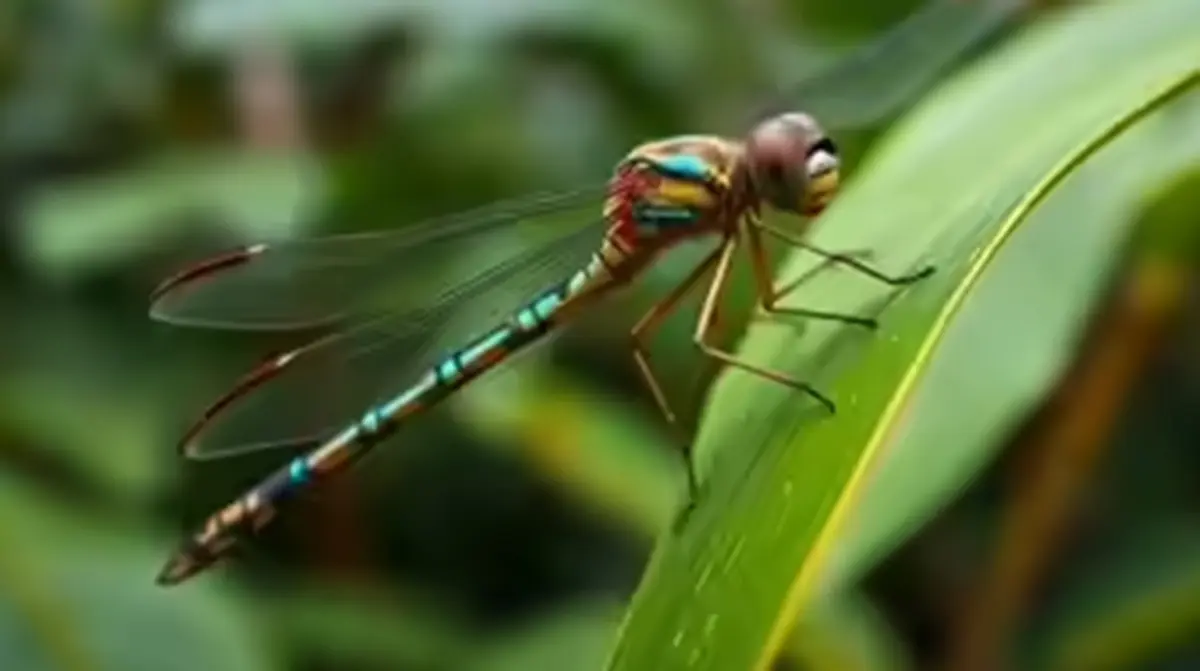
Researchers have identified three previously unknown species of dragonflies in Arunachal Pradesh and Assam. This discovery underlines the rich biodiversity of India’s northeast and the importance of documenting insect life to understand and protect freshwater ecosystems. Two species were found near a forest pond in the Siang Valley of Arunachal Pradesh and the third in the Karimganj district of Assam.
Background
Dragonflies (order Odonata) are ancient insects that have existed for about 300 million years. They have large, rounded heads with compound eyes made up of thousands of tiny lenses; this gives them nearly 360‑degree vision. Dragonflies possess two pairs of long, transparent wings that can move independently, allowing swift and precise flight. Their elongated abdomens and strong legs help them catch prey in mid‑air. Because dragonflies breed in or near water, their presence and diversity indicate the health of freshwater habitats.
The new species
- Sarasaeschna nuboides and Sarasaeschna sigotaayo: These two species were discovered around a forest pond in Arunachal Pradesh’s Siang Valley. The area lies within a biodiversity hotspot and includes traditional conservation areas managed by local communities. The dragonflies were observed in the shade of trees near clean, slow‑flowing water.
- Sarasaeschna dosdewaensis: This species was found in a patch of forest near a river in the Barak Valley of Assam’s Karimganj district. Unlike the first two, it inhabits slightly warmer lowland conditions.
Importance of the discovery
- Indicator of ecosystem health: Dragonflies are sensitive to water quality and habitat changes. Finding new species suggests that the local ecosystems are relatively undisturbed and supports a range of aquatic life.
- Biodiversity hotspot: The northeast region is part of the Indo‑Burma biodiversity hotspot. Continuous exploration is necessary to document species before habitats are altered by development or climate change.
- Community involvement: Local communities assisted researchers by sharing knowledge of forest trails and ponds. Their traditional stewardship of land and water resources aids conservation.
Source: EastMojo