

Why in news?
Hyderabad company TakeMe2Space announced flight heritage for PowerBank-50. The battery powered its Cosmoserve Space experimental payload. The hardware flew on Skyroot Aerospace's Vikram-1 mission. Company data indicated operation during launch and orbital activity.
Background
Small satellites need compact electrical systems with high reliability. Solar panels generate power when illuminated, but batteries support operations during darkness and peak demand. Launch vibration, vacuum and temperature cycles make ordinary consumer packs unsuitable.
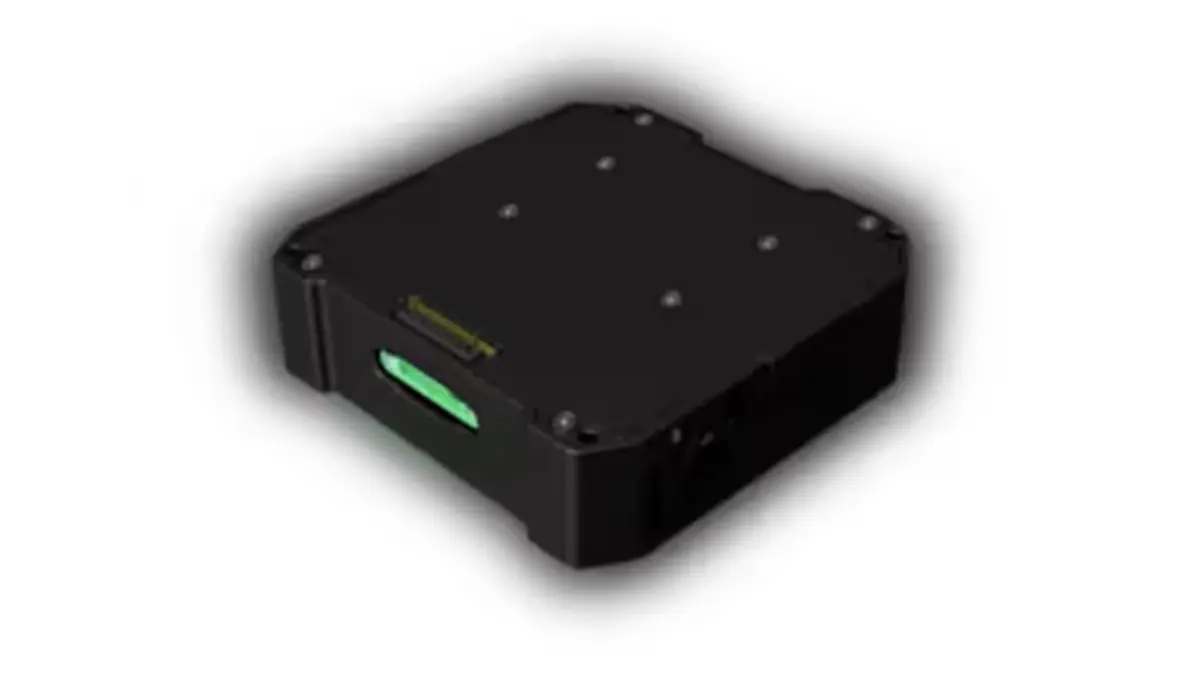
TakeMe2Space developed PowerBank-50 as a modular battery; the pack uses four cylindrical lithium-ion cells. Its rated stored energy exceeds 50 watt-hours, which explains the product name.
The battery supports two arrangements. Two-series, two-parallel wiring balances voltage and capacity, while four-series wiring provides higher voltage.
Engineering features
An onboard battery-management system supervises charging and discharging; it estimates available energy and records cell health. Balancing reduces damaging differences among cells during repeated cycles.
Protection circuits respond to electrical faults and unsafe operating conditions. Polyimide heaters help keep the cells above five degrees Celsius. The enclosure combines polyether ether ketone with an aluminium lid.
Modules can be stacked when a satellite requires additional energy. The design also supports telemetry and control through a standard digital interface. Such modularity may reduce development time for small-spacecraft teams.
Mission and meaning of flight heritage
The battery supported the Cosmoserve Space payload on the Vikram-1 Aagaman mission. The payload was associated with an orbital adjustment module around 450 kilometres above Earth. TakeMe2Space reported successful power delivery through launch and space operations.
Flight heritage means hardware has operated during a real space mission. Customers usually value that evidence more than laboratory tests alone. However, one successful mission cannot prove reliability under every orbit or spacecraft design.
Ground qualification remains essential; engineers examine vibration, shock, vacuum, thermal cycling and electrical safety before flight. Mission designers must also consider radiation, charging rules and end-of-life capacity.
Why the development matters
Commercially available modules can lower entry barriers for Indian satellite builders. Teams may avoid designing every electrical component from the beginning. Domestic supply can also shorten procurement and improve access to engineering support.
Standard products encourage quality learning and may support universities, start-ups and hosted payloads with limited budgets. Yet commercial scaling requires documented testing, traceable components and consistent manufacturing controls.
Indian public space missions used domestically developed batteries long before this flight. Flight heritage is also not a government certification. The published performance statement comes primarily from the developer and mission participants.
Battery choices and commercial space manufacturing
Lithium-ion cells offer high energy, but overcharging or overheating can cause failure. Spacecraft cannot replace damaged packs after launch, making redundant protection and conservative operating limits important.
Commercial off-the-shelf hardware means a standard product, not an unchanged consumer component placed directly in orbit. Suppliers still select cells and qualify complete modules, while missions require separate integration reviews.
Domestic components may shorten overseas procurement and preserve engineering support during spacecraft integration. Origin claims should identify imported cells and local subsystems, helping customers assess strategic dependence accurately.
Repeated missions can reveal capacity loss and temperature behaviour, while published summaries would strengthen confidence beyond announcements. Common testing standards support product comparison, and mature manufacturing requires traceability and reliable failure reporting.
Conclusion
PowerBank-50 marks a useful step for India's commercial spacecraft supply chain. Repeated missions and transparent qualification data will determine its wider significance.