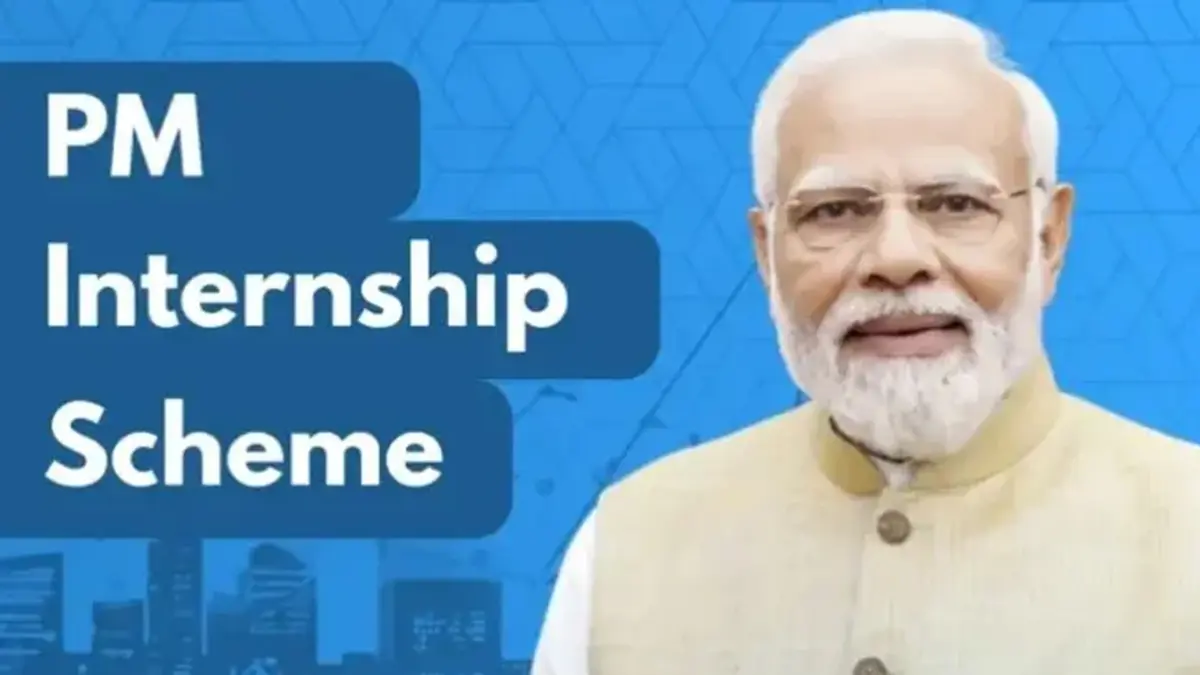
Why in news?
The government has widened the Prime Minister Internship Scheme to include final‑year undergraduate and postgraduate students. Until now, only students who had completed their studies could apply. The extension aims to give more young people industry exposure before they graduate.
Background
The scheme was launched to provide structured, paid internships in major public‑sector companies, start‑ups and private firms. It targets youth aged 18–25 and covers 22 sectors such as manufacturing, information technology, renewable energy, healthcare and tourism. Participating employers offer hands‑on training, mentorship and a monthly stipend.
Key details
- Stipend: Interns receive a monthly payment of about ₹9,000 for the duration of the internship, which usually ranges from two to six months.
- Scale: As of April 2026 more than 42,000 internship positions have been offered, with over 300 companies participating.
- Eligibility: Applicants must be Indian citizens aged 18–25. Students currently in their final year of a graduate or postgraduate programme must obtain a “No Objection Certificate” from their educational institution. Other eligibility criteria—such as academic performance and sector‑specific requirements—remain unchanged.
- Application process: Candidates apply online through a central portal. Selection is merit‑based and includes screening by the host organisation. Successful applicants sign an internship agreement outlining duties and learning outcomes.
Significance
- Skill development: Exposure to real‑world projects helps young people build practical skills, improve employability and make informed career choices.
- Industry–academia link: Allowing final‑year students to participate bridges the gap between classroom learning and workplace expectations.
- Economic impact: By nurturing a job‑ready workforce, the scheme supports productivity and innovation in various sectors.
Sources: News On Air