

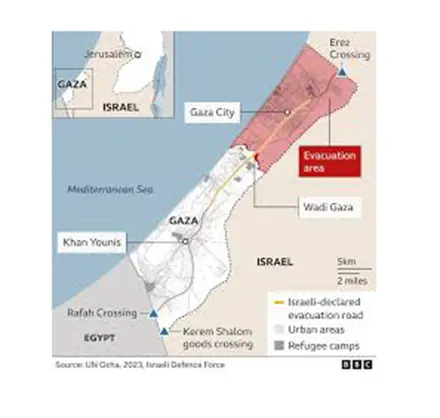
Why in news?
Egypt reopened the Rafah border crossing with Gaza on 3 February 2026 after nearly eight months of closure. The move was part of an internationally mediated ceasefire between Israel and Hamas and allowed limited numbers of Palestinians to leave the enclave for medical treatment and humanitarian reasons.
Background
The Rafah crossing is the only gateway for Gaza’s 2.3 million residents to reach the outside world without passing through Israeli checkpoints. After escalations in May 2024, Egypt had kept the crossing shut, citing security concerns. The closure exacerbated shortages of medicine, fuel and food in the besieged territory.
Details of reopening
- Limited passages: Officials said about 50 people per day would be allowed to cross, prioritising patients needing surgery, students and foreign passport holders.
- Coordination: The reopening was coordinated among Egypt, Israel and mediators from the United States and Qatar to ensure safe transit.
- Ceasefire context: A temporary halt in hostilities enabled humanitarian corridors for aid deliveries and prisoner exchanges.
Implications
- Humanitarian relief: Critically ill Gazans can now access Egyptian hospitals. Aid convoys carrying food and medicine can enter more easily.
- Political significance: The reopening is seen as a confidence‑building step toward longer‑term truce negotiations.
- Limitations: Numbers allowed to cross remain low, and Gaza’s broader blockade by land, sea and air continues.
Source: Indian Express