

Why in news?
The Pacific country formerly called Nauru formally adopted the name Republic of Naoero.
It informed the United Nations about this change on 26 June 2026.
The short name is Naoero, while the formal long name is Republic of Naoero.
The change restores an Indigenous name without creating a new state or changing sovereignty.
Background
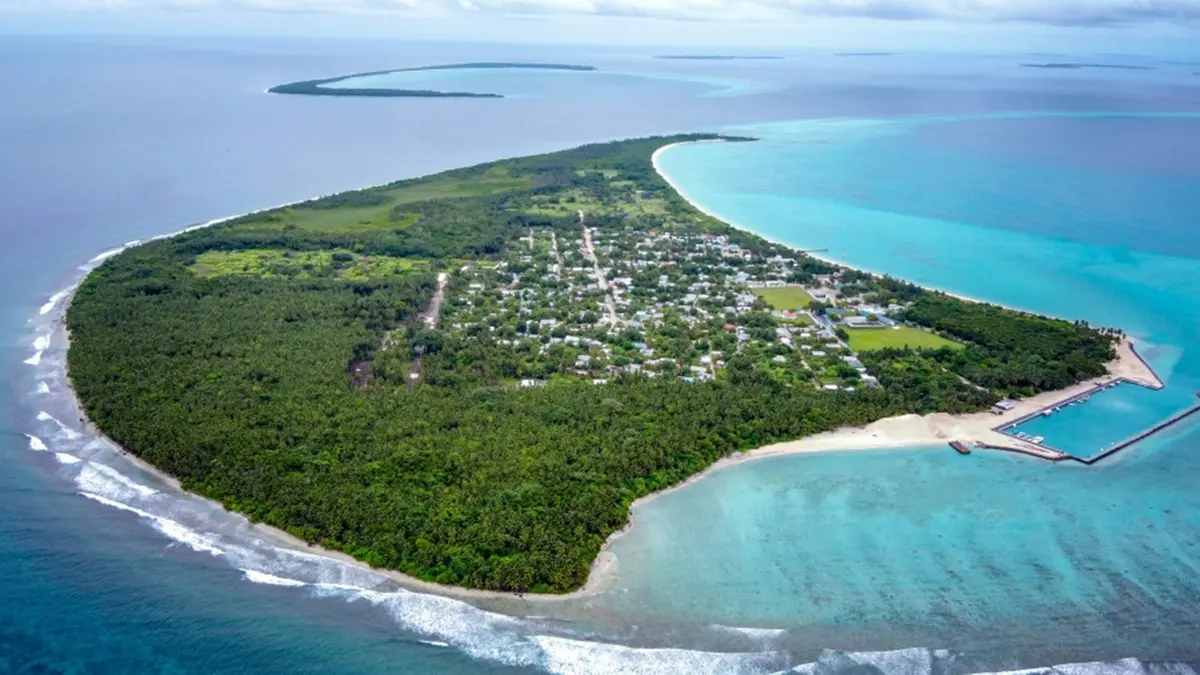
Naoero is a tiny, raised coral island in the central Pacific Ocean.
It lies in Micronesia, about 42 kilometres south of the Equator.
Its land area is about 21 square kilometres, with roughly twelve thousand residents.
Only Vatican City and Monaco are smaller sovereign countries by land area.
However, Naoero remains the world's smallest independent republic by land area.
Why was the name changed?
Naoero is the island's traditional name in the Naoeroan language.
The colonial name Nauru probably arose from an altered European rendering of Indigenous words.
Parliament passed the required constitutional amendment during May 2026.
The government later dropped a planned referendum, citing existing constitutional recognition of the traditional identity.
Officials presented the change as cultural restoration and a strengthening of national identity.
Citizens may now be described collectively as dei-Naoero in the national language.
Geographical features
A narrow coastal plain surrounds a higher central plateau containing phosphate-mining scars.
The island has no permanent rivers, making freshwater security a persistent challenge.
Yet it does contain Buada Lagoon, a landlocked and slightly brackish inland lake.
Rainwater harvesting, groundwater and desalination therefore support the country's limited water supply.
Government and economy
Naoero has no officially designated capital, although government offices are concentrated in Yaren district.
It follows a parliamentary republic, with the president serving as state and government head.
The country uses the Australian dollar, while Nauruan and English are both widely spoken.
Extensive phosphate mining once created great wealth but severely damaged the central plateau.
Rehabilitation, water security and economic diversification remain important long-term national challenges.
Historical outline
- Germany annexed the island during the late nineteenth century.
- Australia later administered it under international mandate and trusteeship arrangements.
- The country became independent on 31 January 1968.
- It joined the United Nations during September 1999.
- The 2026 change restored a traditional name rather than granting new independence.
Conclusion
The name Naoero links modern statehood with Indigenous language, identity and Pacific history.