

Why in news?
The Great Nicobar Tribal Council challenged reported remarks about changing the Shompen way of life. The dispute concerns consent, protection and development.
What the current report says
The Hindu reported the council’s allegation against a former Andaman and Nicobar chief secretary. The allegation concerns comments attributed to that official.
The report should be read as a contested public claim. It does not establish the words independently or settle the project’s legal questions.
Who are the Shompen?
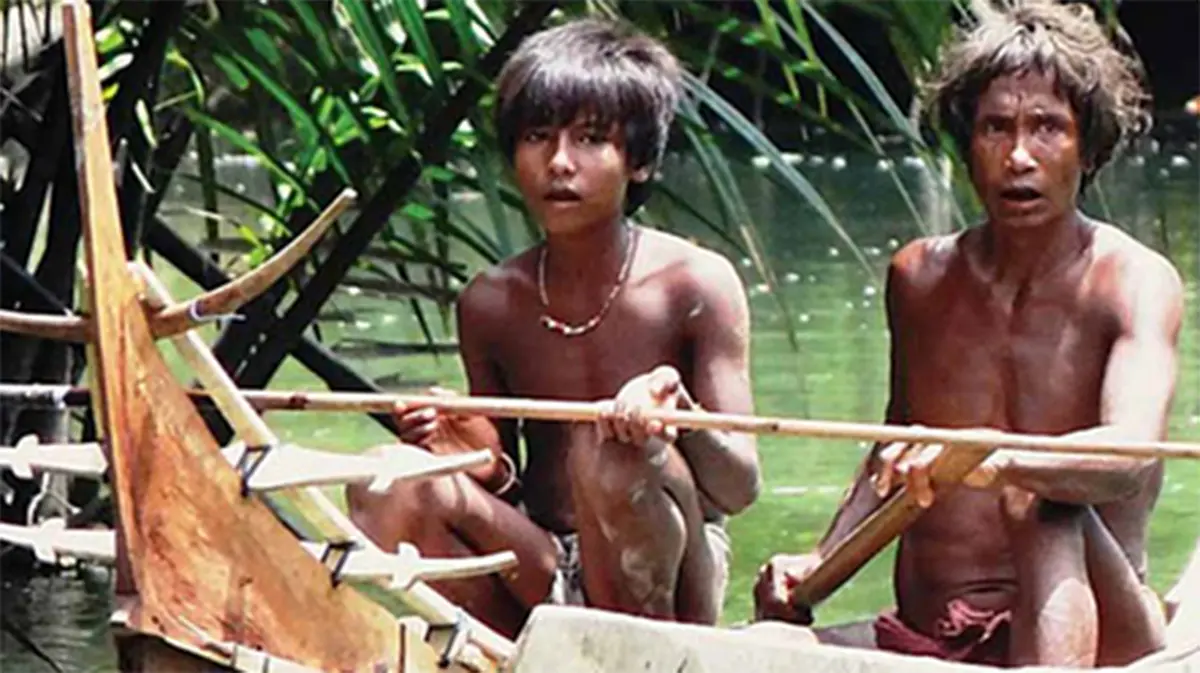
The Shompen are an Indigenous community of Great Nicobar Island. India classifies them as a Particularly Vulnerable Tribal Group.
They live mainly in the forested interior, especially around rivers and streams. Their livelihoods combine hunting, gathering, fishing and limited horticulture.
They are often described as semi-nomadic and largely isolated. “Uncontacted” is too absolute because controlled interactions have occurred.
Reliable population figures differ by year and method. A precise current total should not be inferred from an older census.
Geography and project pressure
Great Nicobar is the southernmost island of the Nicobar archipelago. It lies near northern Sumatra and important approaches to the Malacca Strait.
The island contains wet evergreen forest, mountain ridges and coastal plains. Mount Thullier reaches 642 metres.
The reserve joined the United Nations Educational, Scientific and Cultural Organization (UNESCO) network in 2013. Shompen use spans core and buffer areas.
The proposed development covers port, airport, township and power components. Environmental records place the planned footprint at 16,610 hectares.
Project assurances require independent testing
Official records say Shompen habitations will not be disturbed. Avoiding houses alone may not protect a mobile forest-based habitat.
Rights, health and consent
The 1956 tribal-protection regulation restricts entry and dealings in reserved areas. It reflects the special risks from outside contact.
Earlier policy work emphasised cultural survival, cautious welfare contact and disease screening. These aims conflict with forced assimilation.
New roads and labour inflows can increase infection, resource pressure and unauthorised contact. Effects may reach beyond the mapped construction boundary.
Consent mechanisms must reflect the community’s language and social organisation. A proxy body cannot automatically substitute for informed community participation.
Monitoring should cover customary movement, river access, food security and disease. It should not measure protection only through physical displacement.
Development cannot define survival for the community
State protection must preserve the Shompen’s agency, habitat and health while testing every project assurance.
Conclusion
The debate is not a choice between isolation and welfare. It is about lawful, evidence-based decisions centred on Shompen survival and dignity.