

Why in news?
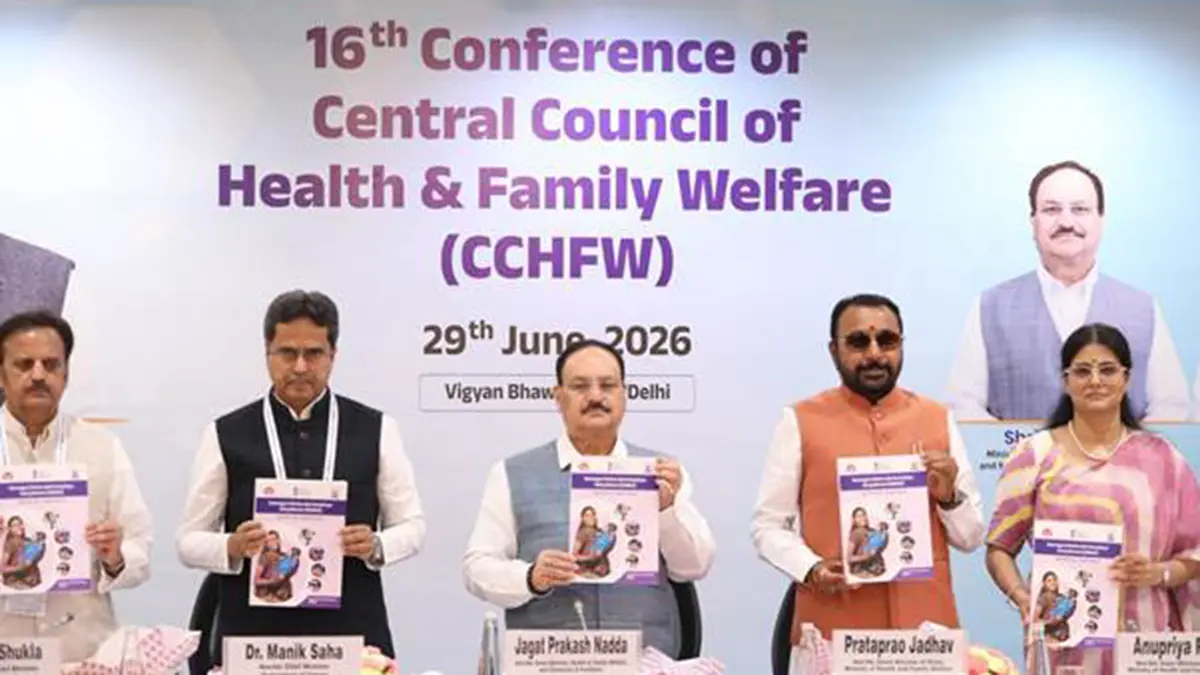
On 29 June 2026 the Ministry of Health and Family Welfare launched the Samagra Shishu Bal Swasthya Karyakram (SSBSK). The national programme integrates home‑based newborn and young child care and introduces digital tracking to ensure timely services for every child up to three years of age.
Background
India previously ran two programmes: Home‑Based Newborn Care (HBNC) and Home‑Based Young Child Care (HBYC). These schemes provided home visits and basic health education but operated separately. High neonatal mortality and malnutrition signalled the need for a seamless continuum of care. SSBSK merges HBNC and HBYC and introduces risk‑stratified follow‑up for infants and young children. It emphasises early childhood development and mental health support for mothers and uses digital tools linked to Ayushman Bharat Health Account (ABHA) IDs and Baal‑ABHA IDs.
Key features
- Risk‑stratified home visits: All newborns receive six home visits during the first six weeks after birth. Babies born pre‑term or with low birth weight are classed as ‘at‑risk’ and get up to nine visits in the first 42 days. From two months to 36 months, ‘at‑risk’ children receive eight additional home visits.
- Integrated service delivery: Accredited social health activists (ASHAs), auxiliary nurse midwives (ANMs), community health officers (CHOs) and Anganwadi workers work together. They provide immunisation, nutrition counselling, growth monitoring and developmental screening.
- Well‑baby sessions and Shishu Shivir: SSBSK introduces monthly “Well‑Baby Sessions” at Village Health, Sanitation and Nutrition Days (VHSND) and monthly Shishu Shivir camps at Ayushman Arogya Mandirs. These sessions include early learning activities and parental education.
- Maternal mental health: Post‑partum depression screening is built into home visits. Mothers with symptoms are referred to health facilities for counselling and care.
- Digital tracking: Child‑wise tracking and decision‑support applications help frontline workers schedule visits, record growth metrics and flag high‑risk cases. The system integrates with existing platforms such as JANANI, U‑WIN, the Maternal, Perinatal and Child Death Surveillance and Response (MPCDSR) portal and the Poshan Tracker.
- Focus on slums and migrants: The programme strengthens urban home‑based care for infants in slum areas and migrant populations, ensuring they are not left behind.
Significance
- Continuum of care: By unifying newborn and young child programmes, SSBSK ensures that nutrition, health and development services do not stop after infancy.
- Early childhood development: Responsive caregiving and age‑appropriate play are promoted, recognising that stimulation in the first three years influences brain development.
- Timely interventions: Risk‑stratified visits and digital alerts help identify illness, malnutrition or developmental delays early, allowing prompt referral.
- Integration: Linking data across programmes reduces duplication and supports better planning for health workers and administrators.
Conclusion
The Samagra Shishu Bal Swasthya Karyakram represents a shift from fragmented initiatives to a holistic, child‑centred approach. Through risk‑based home visits, community sessions and digital tools, it aims to improve survival, nutrition and development outcomes for India’s youngest citizens. Continued training of frontline workers and community engagement will be key to its success.
Sources: Press Information Bureau