

Why in news?
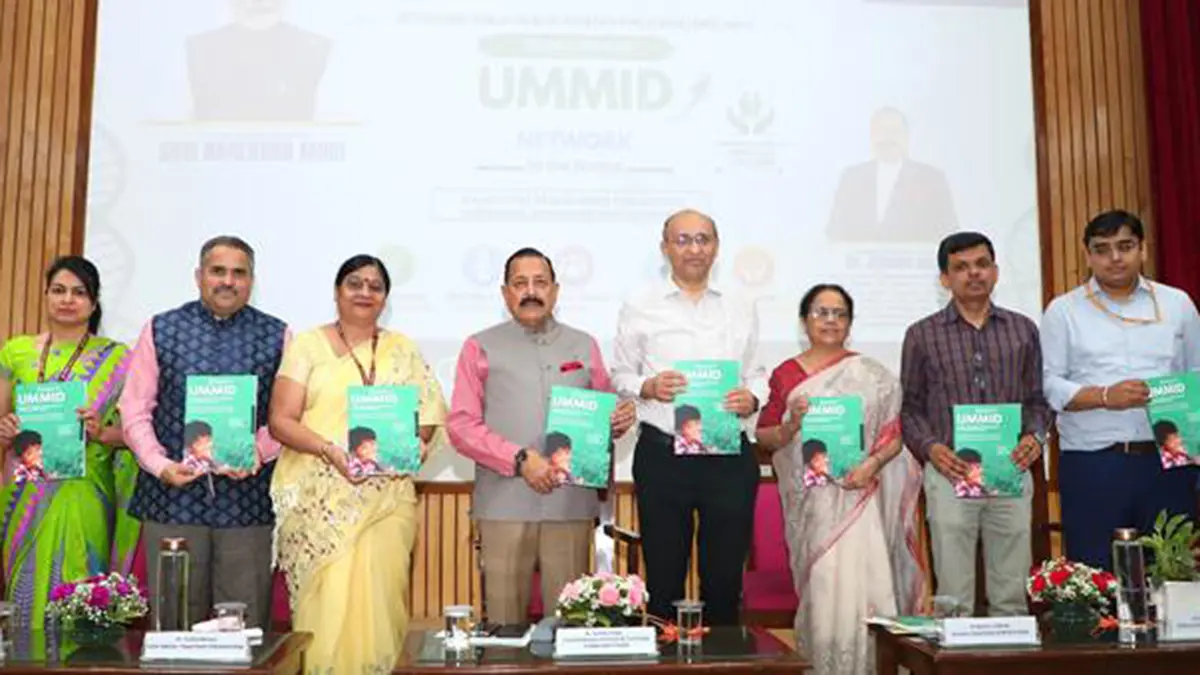
On 21 May 2026 Dr Jitendra Singh, Minister of State for Science and Technology, formally dedicated the UMMID (Unique Methods of Management and Treatment of Inherited Disorders) programme. He highlighted advances in genomic medicine and praised the initiative for benefitting hundreds of thousands of patients with rare genetic disorders across India.
Background
UMMID is a national initiative launched in 2019 by the Department of Biotechnology to address inherited genetic diseases. India carries a high burden of rare disorders, many of which go undiagnosed or are mismanaged due to lack of awareness and resources. The programme integrates genetic diagnostics, prenatal screening, counselling, clinician training and community outreach to provide affordable care.
Achievements
- Beneficiaries: Officials report that nearly three lakh individuals have received genetic testing, counselling or treatment through the UMMID network.
- NIDAN Kendras: Approximately 30 National Inherited Diseases Administration (NIDAN) Kendras have been established in government medical colleges. These centres offer diagnostics, carrier testing and prenatal services.
- Capacity building: Clinicians, nurses and genetic counsellors are trained in the interpretation of genetic tests and management of inherited disorders. Outreach programmes educate communities about consanguinity and prevention.
- Technology integration: The programme is laying the foundation for precision medicine in India by incorporating genome sequencing and bioinformatics into routine care. It aligns with efforts to establish newborn screening and national genetic data repositories.
Why it matters
- Early diagnosis and counselling reduce infant mortality and long‑term disability associated with inherited disorders.
- Accessible genetic services help address inequities between urban and rural populations and promote reproductive health awareness.
- Developing indigenous genetic testing capabilities reduces dependence on imported kits and fosters innovation in biotechnology.
Conclusion
The UMMID programme demonstrates how government‑led initiatives can bring cutting‑edge science to public healthcare. By expanding NIDAN Kendras, training clinicians and raising awareness, India aims to build a robust system for the diagnosis and management of rare genetic disorders, ensuring that precision medicine benefits citizens across socio‑economic backgrounds.