
Why in news?
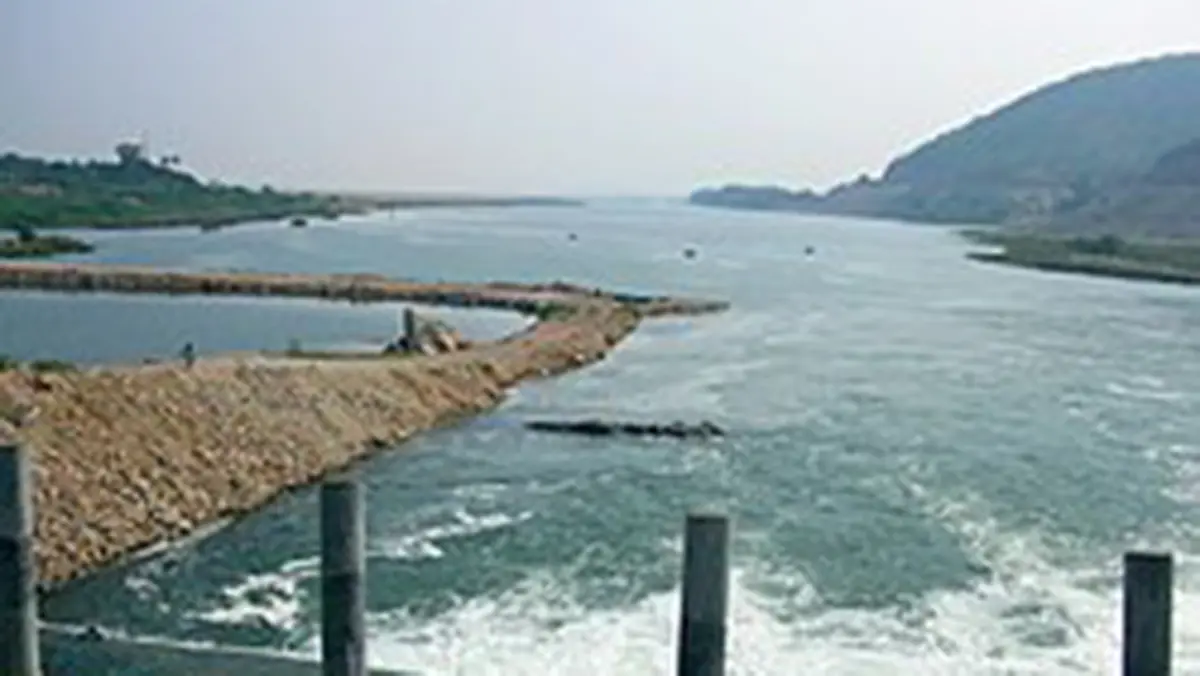
In early June 2026 the normally dry Pennar (Penneru or Pinakini) River in Andhra Pradesh and Karnataka began to flow before the arrival of the south‑west monsoon. Local reports attributed the sudden rise to isolated pre‑monsoon showers in its catchment area. The rare event filled the Dharmavaram reservoir and drew attention to water management in the drought‑prone Rayalaseema region.
Background
The Pennar River originates in the Nandi Hills of Karnataka and travels about 597 kilometres eastward through Karnataka and Andhra Pradesh to the Bay of Bengal. Its basin covers roughly 55,000 square kilometres. Major tributaries include the Jayamangali, Kunderu, Sagileru, Chitravathi, Papagni and Cheyyeru rivers. Owing to low rainfall and extensive groundwater extraction, the Pennar usually runs dry outside the monsoon months, though irrigation tanks and small dams along its course support local agriculture. The river’s drainage area comprises hard rocks and porous soils, which limit water retention.
Recent event and its significance
- Early flow: Heavy showers in the upper catchments caused surface runoff, leading to the Pennar flowing several weeks before the monsoon. This rare event briefly replenished irrigation tanks and provided water to parched villages.
- Reservoir levels: The Dharmavaram reservoir, which had been dry for years, reportedly filled up. Farmers and local residents celebrated the respite from prolonged water scarcity.
- Underlying challenges: Experts note that such sudden flows cannot compensate for chronic depletion of groundwater and deforestation in the basin. Sustainable water management, soil conservation and rain‑water harvesting are necessary to improve resilience.
- Long‑term context: The Pennar basin has historically suffered from droughts. Comprehensive basin management, including afforestation and improved irrigation practices, is essential to secure water for communities and ecosystems.
Conclusion
The unusual flow of the Pennar River ahead of the monsoon offered a brief respite to farmers in drought‑hit districts. However, it underscores the vulnerability of semi‑arid river basins to changing rainfall patterns and highlights the need for long‑term water conservation measures, efficient irrigation and watershed restoration.